M&S promise – Style You Love, Value You Can Trust

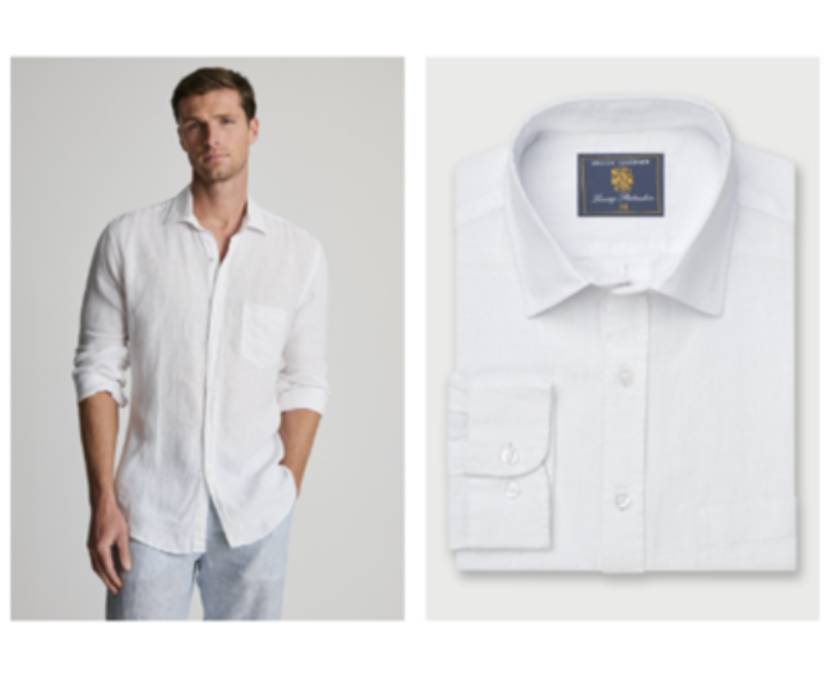
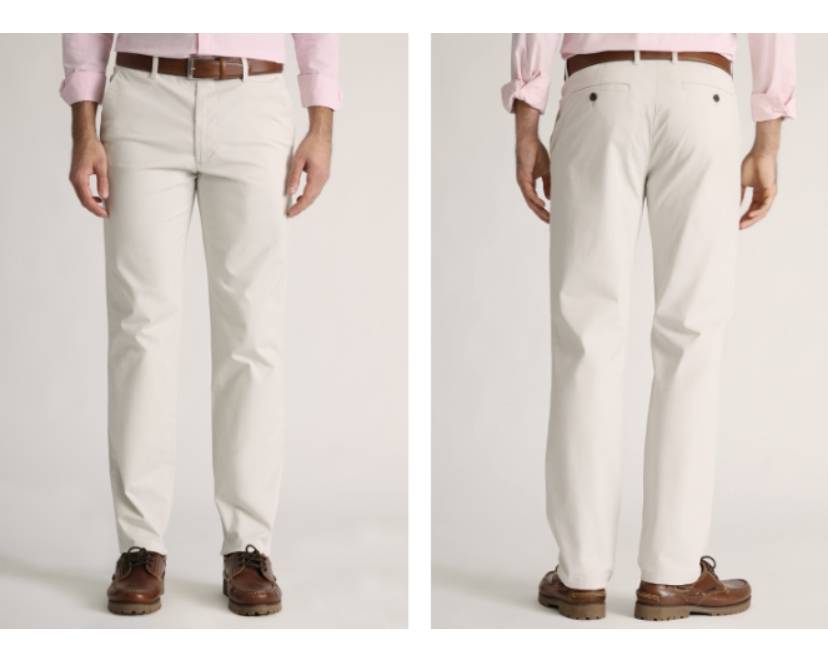
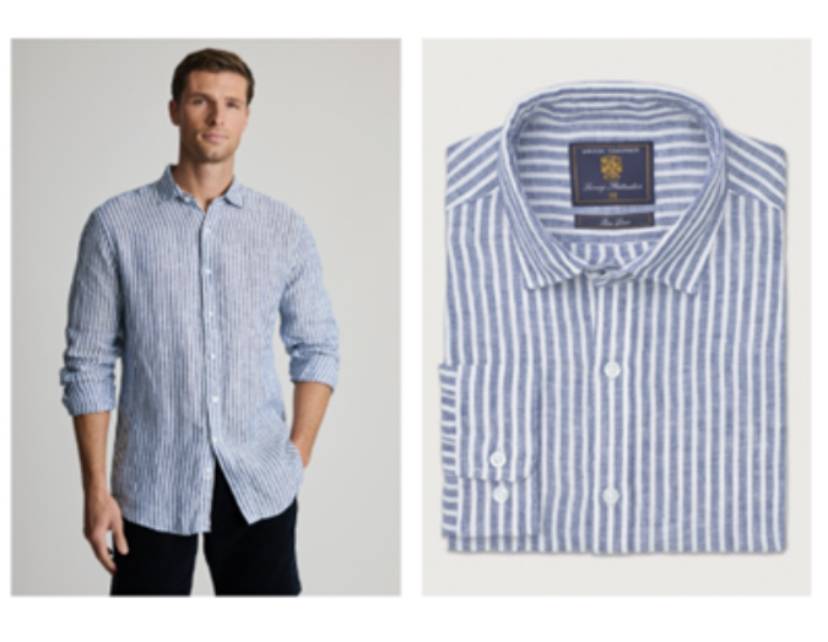
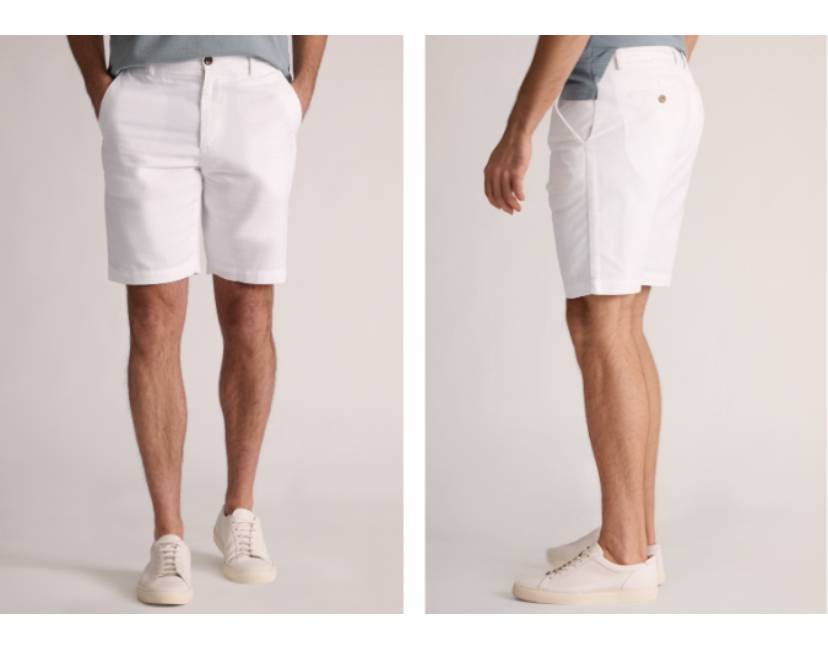
M&S celebrates style you love at Value You Can TrustBringing together the best in design and quality, offering hard-working, versatile wardrobe staples that stand the test of time. 

From your wear-with-everything jeans to the perfect collared knit, these seasonless icons are designed to simplify dressing and deliver style that endures beyond trends. 

Designed for real life, staples combine clever design, premium finishes and accessible prices. Whether layered, lived in, or worn on repeat, each piece delivers versatility, and longevity, helping customers build a capsule wardrobe that truly works. 

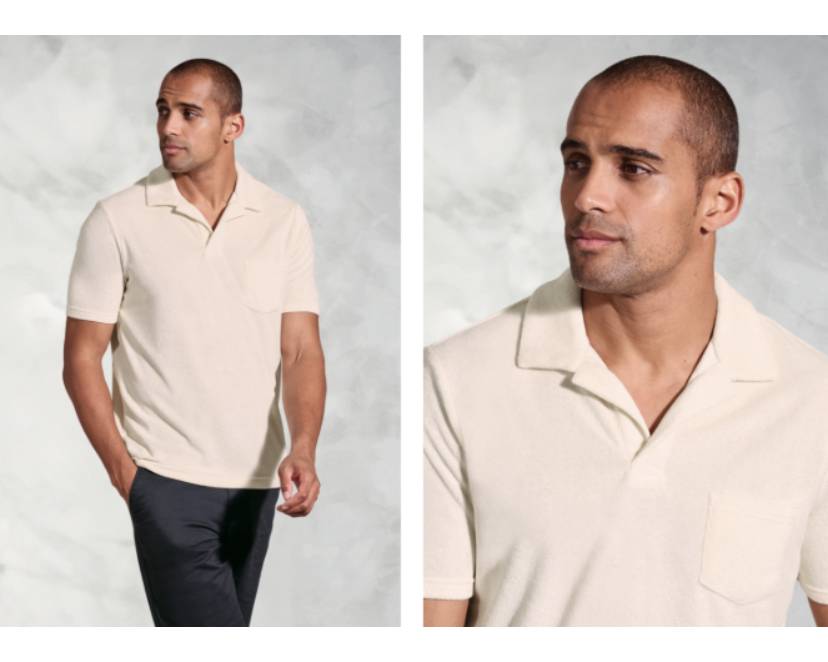
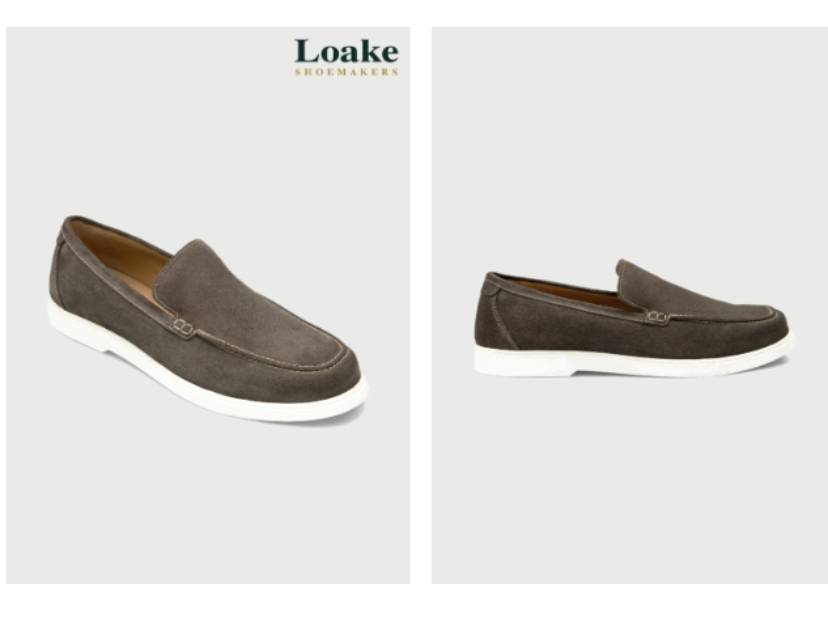
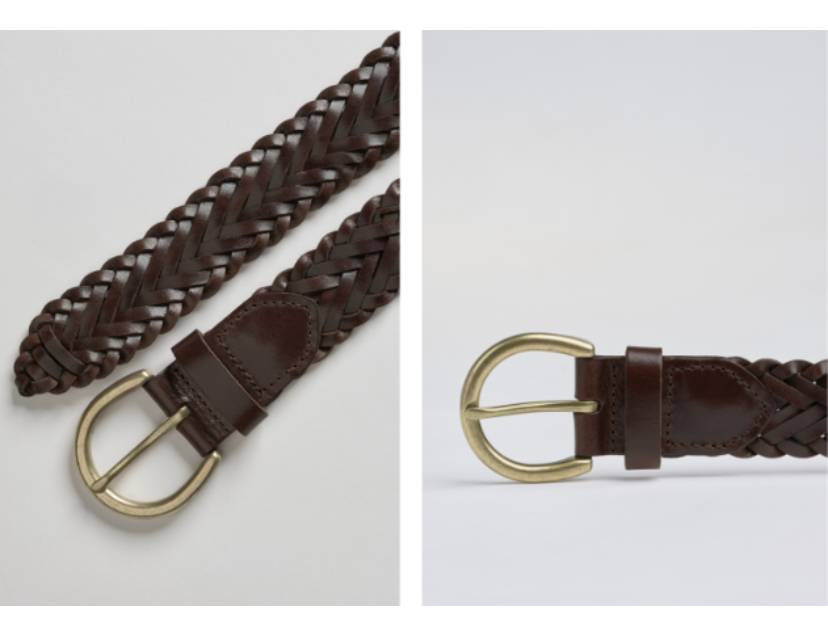
Menswear delivers timeless style, quality craftsmanship and effortless versatility at great value. Designed to work harder and last longer, the collection focuses on elevated essentials that layer and transition seamlessly across work, weekend and occasions.  

So imagine a shirt works for the office, weekends and whatever’s happening in between – it’s a solid wardrobe addition. And when jeans go with every pair of shoes you own – no fuss, no overthinking, it’s an outfit that adds up.  

Introducing Value You Can Trust for the New Year – a considered edit of dependable fits and timeless appeal, where classic style meets accessible prices. Fashion that works harder, with elevated essentials designed to slot seamlessly into real wardrobes – underpinned by quality and comfort. 

The ‘Tired Tax’: Why Being Exhausted Is Costing Britons Thousands a Year

Modern life has a new surcharge — and it’s not coming from HMRC. It’s coming from exhaustion. Dubbed the “Tired Tax”, new research reveals how fatigue is quietly fuelling convenience spending across the UK, with the average Brit losing £395 every month simply because they’re too tired to cook, commute properly, or follow through on good intentions.

Commissioned by wellbeing brand feeling., the nationally representative survey of 2,000 UK adults paints a familiar picture: low energy, high stimulation, and wallets leaking money in small, almost unnoticeable ways.

Convenience Culture Meets Burnout

When energy dips, convenience fills the gap — at a cost. Takeaways replace home cooking. Taxis replace walking. Subscriptions go unused. Parcels sit by the door, waiting to be returned “later”.

In fact, 72% of respondents admitted they’ve forgotten to return an online purchase altogether, turning tired procrastination into a £75 monthly loss on average.

According to Kiera Lawlor, co-founder of feeling., this is burnout playing out financially:

“Tiredness has become one of the most expensive emotions. When we’re overstimulated and drained, spending feels like relief — whether that’s caffeine, convenience, or comfort.”

What the ‘Tired Tax’ Really Looks Like

The research shows the average monthly cost of fatigue breaks down as follows:

  • £85 on caffeine fixes just to get through the day
  • £60 on takeaways and food delivery
  • £50 on Ubers and taxis instead of walking or public transport
  • £55 lost to missed gym classes and unused memberships
  • £75 on unreturned fashion purchases
  • £40 on impulse beauty or wellness buys
  • £30 on missed non-refundable plans

Over a year, that adds up to £4,740 — not from indulgence, but from exhaustion.

The Hidden Cost of “Too Tired”

Burnout is often framed as an emotional or productivity issue. But this research highlights a more uncomfortable truth: fatigue is shaping how we spend, how we live, and how much value we actually get from our money.

Convenience brands thrive when energy is low. The less rested we are, the more likely we are to outsource effort — again and again.

As Lawlor notes:

“We talk about burnout as emotional, but it’s also financial. The Tired Tax is real — and most people don’t realise they’re paying it.”

How to Reduce the Damage

feeling. suggests small but effective ways to cut the Tired Tax without overhauling your life:

  • Work with your energy, not against it — tackle demanding tasks when you naturally feel most alert
  • Plan comfort before exhaustion hits — easy meals and low-effort plans beat last-minute spending
  • Check your autopilot habits — your inbox knows where your money’s going
  • Rethink rest — scrolling isn’t recovery
  • Protect your energy — saying no is still productive

So In a culture that rewards busyness and underestimates rest, fatigue has become quietly expensive.

The real status symbol in 2026?

Enough energy to walk, cook, return the parcel — and keep your money where it belongs.

New Year, New Habits: Why a Simple Reset Beats Resolutions Every Time

January has a habit of arriving with a shout rather than a whisper. New routines. New rules. A harder, stricter version of yourself. Gym memberships spike, calendars fill with good intentions, and by mid-February, reality quietly reasserts itself.

For many active adults, particularly those in their 40s and 50s, the all-or-nothing approach simply doesn’t stick. Life is fuller, schedules are tighter, and the idea of extreme wellness regimes feels more exhausting than energising. The traditional January push for stricter routines, harder training and more rules often feels unrealistic once real life resumes.

Most people in their 40s and 50s don’t have the time, or desire, for extreme wellness routines,” says Simon Swan, entrepreneur, lifelong cyclist and founder of Uthful. “They’re juggling careers, kids, commutes, ageing parents, relationships… and somewhere in the middle of all that, they still want to feel good.”

That thinking sits at the heart of Uthful’s approach this year. Rather than encouraging a dramatic overhaul, the brand is championing a quieter, more sustainable reset built around simple, repeatable habits that support energy, focus and resilience without demanding extremes. Because a reset doesn’t have to mean starting from scratch. More often, it’s about stripping things back, reconnecting with the basics, and building habits you can actually sustain when life gets busy again.

As people stay active into midlife, recovery increasingly determines how often – and how well – they can keep showing up. Whether it’s gym training, cycling, running or social sports such as padel, many begin to notice that stiffness lingers longer and energy dips more easily than it once did. From a clinical perspective, this is something award-winning nutritional therapist Joanne Hill (DipCNM, mBANT, CHNC) sees regularly in practice. Energy, focus and resilience are influenced by nutrient status, sleep, stress and inflammation, all of which respond best to steady, ongoing support rather than short-term interventions.

“Longevity isn’t just about living longer, it’s about living better,” Hill explains. “Uthful brings together advanced longevity nutrients and potent plant compounds that have been shown to support cellular protection and help balance inflammation — key factors at the root of many chronic conditions.”

Uthful was created for active, health-conscious adults aged 35+ who already eat well and stay active, but want to feel sharper, stronger and more energised as they age. Its all-in-one daily blend combines 24 vitamins, minerals, compounds and electrolytes designed to support energy, focus, recovery and long-term vitality in one simple daily drink. Rather than competing on ingredient volume, the formulation focuses on nutrients people are commonly deficient in, or that are difficult to obtain from diet alone, delivered in bioavailable forms and real-world doses. Manufactured in the UK, it reflects a philosophy rooted in simplicity, consistency and everyday practicality.

At the core of the brand is a belief that feels particularly relevant in January: health is a habit.

You can’t outsource exercise, sleep, diet and stress management to a powder,” says Swan. “But you can give your body the building blocks it needs to feel sharper, stronger and more resilient.”

That’s why Uthful’s New Year message is deliberately understated. Rather than chasing a new version of yourself, it encourages supporting the life you already enjoy and building habits that last long after January motivation fades.

For me, it’s not about living forever,” Swan adds. “It’s about living well. Having the energy to do the things that bring you joy — as a parent, partner, athlete, friend — and continuing to do them as you get older.

And when it comes to New Year resets, that feels far more appealing than another resolution destined to be forgotten by February.

Champion Backs Boxing’s Next Heavyweight Force

Champion has never been a brand to sit on the sidelines. From collegiate roots to streetwear staple, its credibility has always been built on performance, authenticity and cultural relevance. Now, it’s stepping firmly back into the ring.

The heritage sportswear brand has announced a long-term partnership with undefeated heavyweight boxer Agit Kabayel (26–0) — a move that signals Champion’s continued investment in elite combat sports and its growing focus on Germany, one of the brand’s most important European markets.

Kabayel, the current WBC Interim Heavyweight Champion, is widely tipped as boxing’s next generational talent. Known for his relentless pressure, technical discipline and unshakeable composure, he represents a new era of heavyweight boxing — one rooted in consistency rather than hype.

The timing couldn’t be better. The announcement comes just ahead of Kabayel’s homecoming fight in Germany last weekend, an event that sold out more than 12,000 tickets in just two days. It’s a clear indicator not only of Kabayel’s drawing power, but of the cultural moment surrounding him.

For Champion, this partnership feels less like a sponsorship and more like a return to form. Boxing has always embodied the brand’s core values: grit, resilience and the quiet confidence that comes from putting the work in. Kabayel, with his undefeated record and understated approach, fits that narrative perfectly.

In an era where sportswear collaborations often chase short-term hype, Champion’s alignment with Kabayel feels considered — a long-term play built on substance rather than flash. Much like good style, real champions don’t shout. They let the results do the talking.

And if this partnership is anything to go by, both Champion and Agit Kabayel are only just getting started.

GUIDE TO CLASSIC CAR PURCHASES

Words By Tim Winton, Cambrian Classics

If a classic car is on your wish list but you’re nervous about choosing the right one — or worse, ending up with a money pit — a bit of preparation goes a long way. These eight tips will help you find a car that brings years of enjoyment rather than unexpected bills.

Buy the Best You Can Afford

This is the golden rule of classic car buying. A sound, well-maintained car is almost always cheaper and far less stressful than rescuing a “bargain” project. Once you factor in welding, paint, mechanical work, electrics and interior trim, a tired example almost always ends up costing more than a better one would have in the first place.

If possible, look for a car that’s already on the road and being used regularly. A running, MOT’d car that’s been regularly driven and maintained will almost always be a better bet than one that’s been off the road for years.

Bring an Expert With You

It’s easy to fall in love at first sight, but a second pair of knowledgeable eyes can save you from an expensive mistake. Take someone who really understands the model you’re buying — ideally a specialist who works on them.

They’ll know what correct panel gaps look like, where rust typically forms and how to recognise poor repairs. They’ll also pick up mechanical issues on a test drive: weak braking, odd noises, steering feel, or a misbehaving engine. Even when buying from a dealer, an independent inspection is worthwhile; no dealer can know every model inside-out, and a marque specialist may spot things they’ve missed.

Bodywork Matters Most

Rust, welding and paintwork are by far the costliest parts of classic car ownership. Even on small cars, proper restoration involving stripping, repairing and repainting can easily run into five figures, and complex or fibreglass-bodied cars can cost even more.

Inspecting bodywork thoroughly is therefore essential. Look for ripples, bubbling paint and mismatched panels, and don’t be afraid to get on your knees with a torch to check underneath. Avoid viewing a car in the rain or in poor light — both hide a multitude of sins.

For most buyers, avoiding project cars is the safest route. If you do want a restoration project, try to buy the soundest shell you can. Even enthusiasts who enjoy the process often underestimate the time and money involved.

Budget for Maintenance, Not Just the Purchase

Running costs vary hugely between makes. Many new owners end up struggling with the upkeep of their dream car.

More modest classics — MGs, Minis, Triumphs and similar — tend to be mechanically simple, inexpensive to repair and well served by parts suppliers. It’s wise to check parts catalogues before committing to a model so you know what routine replacements will cost.

Set aside a yearly maintenance fund. Even the best-cared-for cars need regular attention: servicing, adjustments, occasional repairs and fresh tyres. Tyres in particular deserve scrutiny — always check date codes; anything over ten years old should be replaced.

Who Will Fix It

It’s important to find a mechanic familiar with older technology. Many modern workshops are geared towards computer diagnostics and modular repairs, not carburettors, contact breakers and ageing wiring. Classics often suffer from multiple small issues rather than a single obvious fault, so finding someone who understands how the whole system works is invaluable.

Cars with carburettors are usually straightforward; fuel-injected classics can be much more complex. Don’t buy one with running issues unless you’re prepared for a potentially expensive recommissioning.

Be Honest About What You Want From a Classic

Emotion plays a big role in classic car buying, but make sure the car fits your lifestyle. Think about how and where you’ll use it. Are you happy pottering along country lanes, or do you want something capable of keeping up with modern traffic? Are you planning local shows, weekend drives or long-distance touring?

Comfort, practicality and storage also matter. A small roadster might be perfect for solo use and easy to garage; a large saloon, vintage tourer or camper may require more space and be less convenient.

Above all, choose something you’ll actually drive. Classics deteriorate when left unused, which reduces reliability and enjoyment. A car that suits your habits will stay healthier and give you far more pleasure.

Don’t Buy for Investment

Classic cars are rarely good financial investments. Values fluctuate, and most cars simply hold steady rather than increase. Some markets have even seen declines — pre-war cars, for instance, have softened considerably, while certain 1980s and ’90s models have risen.

Tools such as Hagerty’s valuation guide can help you understand current market conditions, but remember that maintenance, storage and insurance usually outweigh any profit.

The real return on a classic comes from enjoyment. If it appreciates, great — but buy the car that makes you smile when you open the garage door.

Think Twice About Cars Without an MOT

Even though cars over 40 years old are exempt from MOT testing, a valid certificate remains highly reassuring. It shows a qualified tester has recently inspected brakes, suspension, steering and lights.

A car with no recent MOT may be hiding rust, seized brakes, perished tyres or electrical faults. Some owners avoid testing altogether, but this has led to many unsafe cars returning to the road. An MOT is not a guarantee of perfection, but it’s an excellent snapshot of condition and a sign of responsible ownership.

If a seller hasn’t put the car through an MOT, ask them to do so. Any issues revealed can be addressed before purchase or considered in your decision.

Classic car ownership is deeply rewarding, offering a connection to engineering, history and the pure joy of driving. With research, realistic budgeting, and advice from experts and fellow enthusiasts, you can find a car that brings years of pleasure. Buy with both heart and head and choose a classic you’ll love to drive.