With the announcement of New York City FC’s ambitious project to construct a new stadium featuring a seven-story LED-lit entrance, the allure of football stadiums remains globally renowned, captivating fans worldwide. Amidst this fascination, which Premier League stadium tours offer fans the most rewarding experience for their investment?
The experts at SeatPick created a points-based index system evaluating several metrics, including: average Google reviews, tour pieces, tour duration, number of trophies to see and cost per minute, to ultimately decide which teams provide the best value experience for fans.
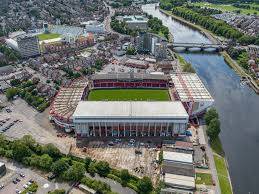 SeatPick can reveal that City Ground, home of Nottingham Forest FC, is the best value Premier League stadium tour with an overall value score of 8.3/10. With two back-to-back European Champions League titles to their name (1979 and 1980), City Ground’s stadium tour is enhanced with even more history and value. The stadium benefits from a high Google rating of 4.7/5, which is 0.4higher rating than Crystal Palace’s Selhurst Park Stadium (4.3/5), as well as impressive adult tour prices which start at just £15. This is half the price of Arsenal FC’s Emirates Stadium, where adult tour prices start at £30, with tours lasting 30 minutes less (60 minutes).
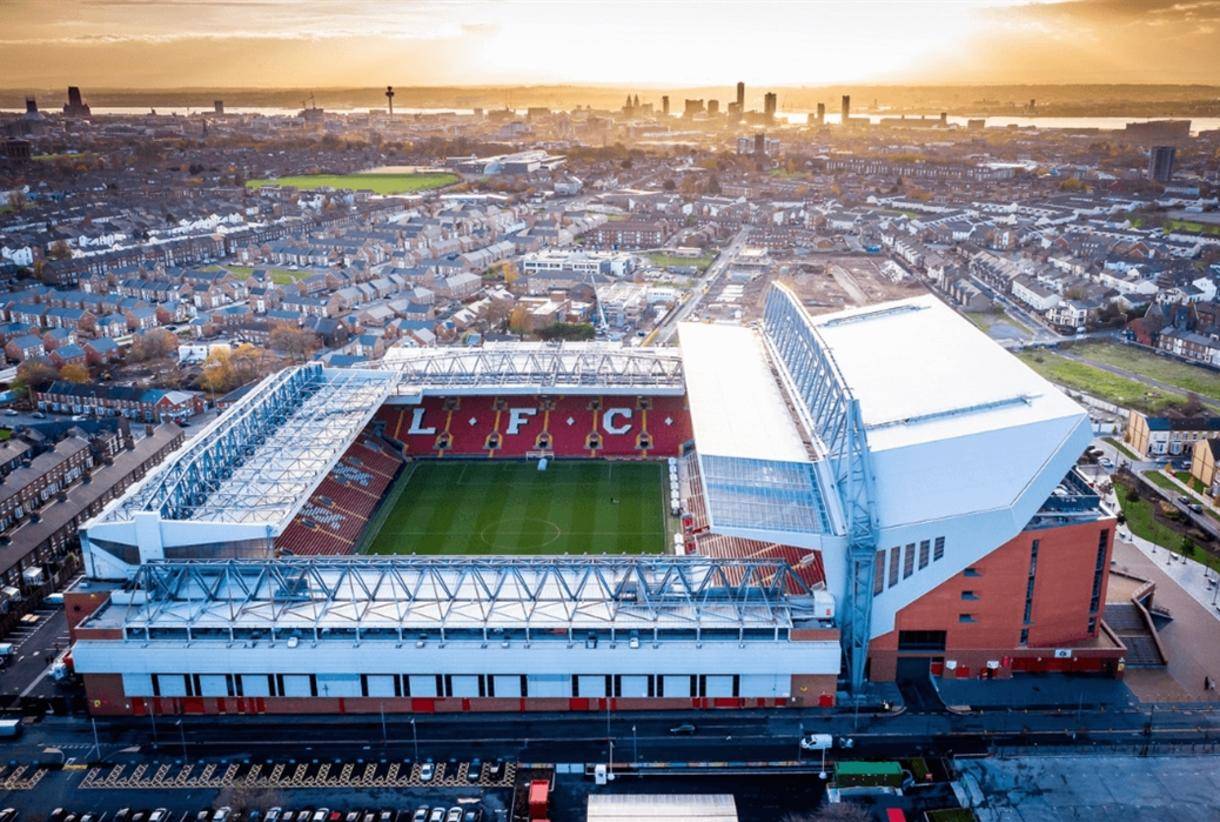 Liverpool FC’s Anfield stadium tour ranks second, with an overall value score of 6.9/10. Tours at Anfield last an average of 80 minutes with a standard adult ticket price of £23, which is equivalent to £0.29 per minute. Although tickets are £8 more expensive than a tour at City Ground, Liverpool have 68 trophies to their name — 77% more trophies than Nottingham Forest (15) — making the tour a worthwhile experience for fans. As well as this, fans visiting Anfield can benefit from free parking and take part in the stadium’s abseiling experience, where they can scale the venue and then embark on a 100ft descent down the stadium.
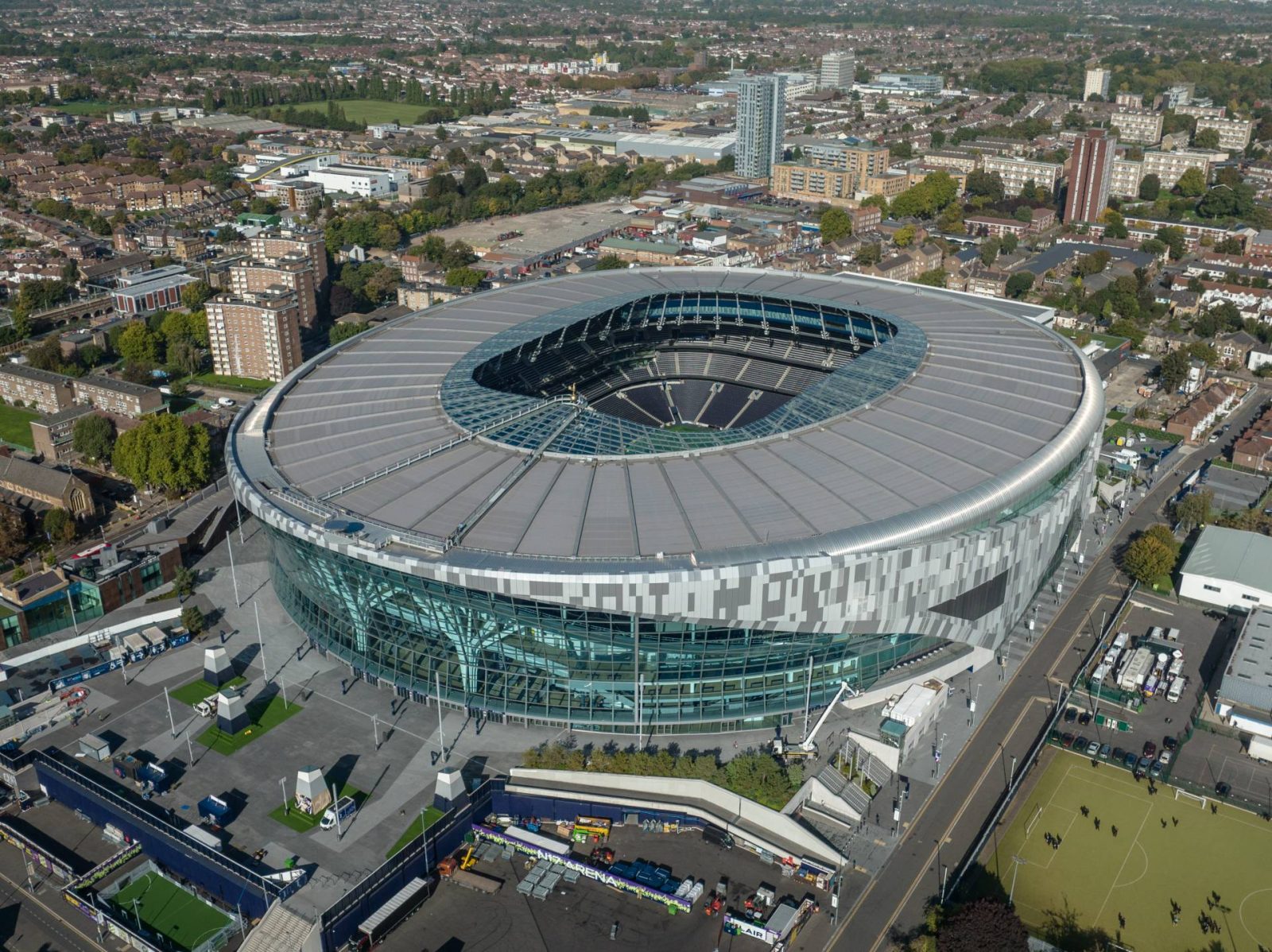 Newcastle United FC’s stadium tour of St James’ Park is the third-best value in the Premier League, with an overall value score of 6.4/10. The standard adult ticket prices start at £20, which is 28% cheaper than Manchester United FC’s stadium tour of Old Trafford (28%), at a cost of £0.22 per minute compared to £0.31. Recent reports reveal that Newcastle have consulted leading architect firm Populous, which designed the iconic Tottenham Hotspur stadium, to redevelop St James’s Park — which is sure to add additional value to the stadium’s tour.
 Arsenal FC’s Emirates Stadium tour ranks tenth for value in the Premier League, with an overall value score of just 4.0/10. Tied with Burnley’s tour of Turf Moor, a tour of Emirates lasts just 60 minutes on average, which is the joint shortest offering in the top 10. As well as this, the standard adult ticket price starts at £30 — the most expensive in the ranking — charging £2 more than a tour of Old Trafford, despite having more than half (32) Manchester United’s number of trophies potentially on display (69).
The results: The best value Premier League stadium tours: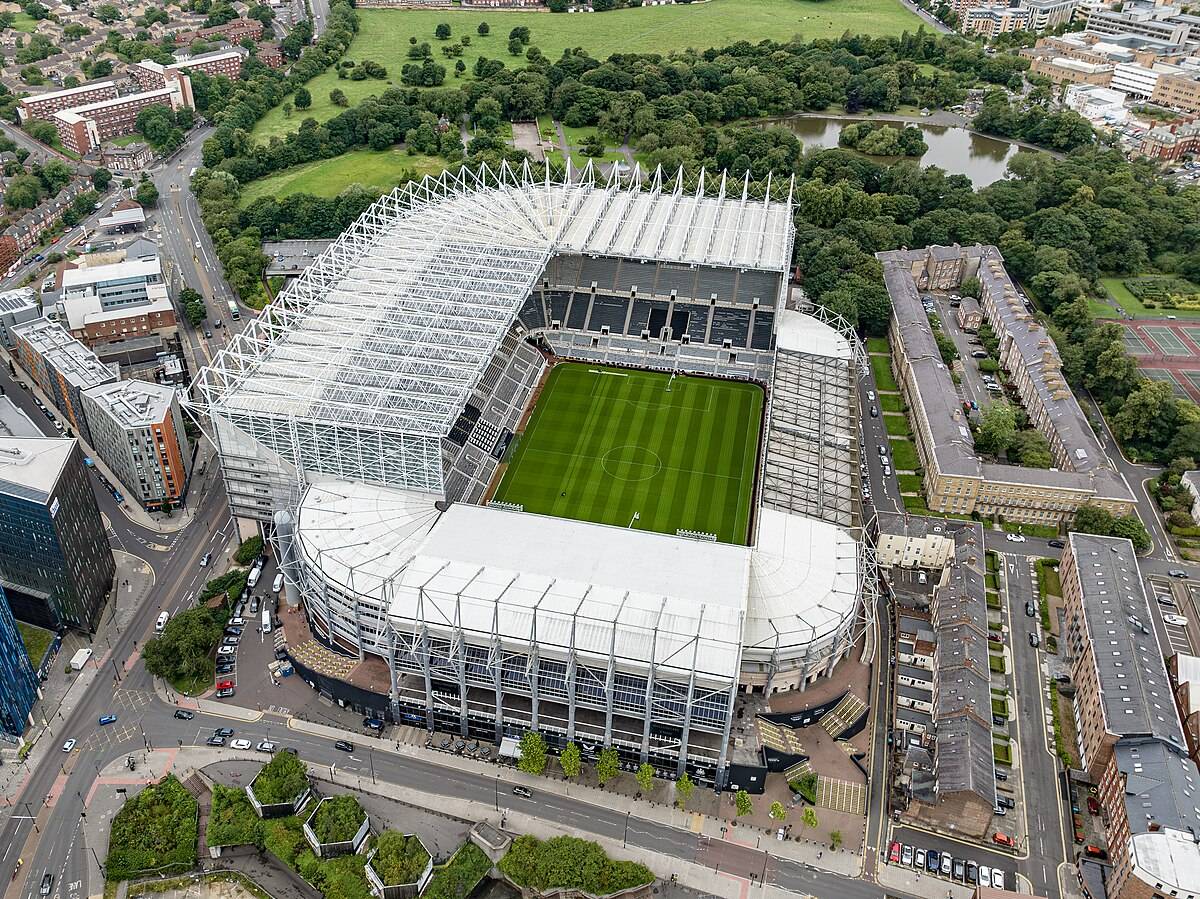
|
# |
Premier League Team |
Stadium Name |
Google Review /5 |
Standard Tour Price Adult (£) |
Average Tour Length (Minutes) |
Number of Trophies achieved by the men’s first team |
Cost Per Minute (£) |
Value Score (/10) |
|
1. |
Nottingham Forest |
City Ground |
4.7 |
£15 |
90 |
15 |
£0.17 |
8.3 |
|
2. |
Liverpool FC |
Anfield |
4.7 |
£23 |
80 |
68 |
£0.29 |
6.9 |
|
3. |
Newcastle United FC |
St James’ Park |
4.6 |
£20 |
90 |
20 |
£0.22 |
6.4 |
|
4. |
Wolverhampton Wanderers |
Molineux Stadium |
4.6 |
£20 |
90 |
17 |
£0.22 |
6.2 |
|
5. |
Tottenham Hotspur |
Tottenham Hotspur Stadium |
4.7 |
£27 |
90 |
26 |
£0.30 |
6.1 |
|
=6. |
Burnley |
Turf Moor |
4.4 |
£10 |
60 |
11 |
£0.17 |
6.0 |
|
=6. |
Aston Villa F.C. |
Villa Park |
4.5 |
£20 |
90 |
24 |
£0.22 |
6.0 |
|
8. |
Brighton and Hove Albion |
American Express Stadium |
4.5 |
£15 |
90 |
5 |
£0.17 |
5.8 |
|
9. |
Manchester United FC |
Old Trafford |
4.6 |
£28 |
90 |
69 |
£0.31 |
5.2 |
|
10 |
Chelsea FC |
Stamford Bridge |
4.6 |
£28 |
90 |
32 |
£0.31 |
4.8 |
|
11. |
Arsenal FC |
Emirates Stadium |
4.7 |
£30 |
60 |
32 |
£0.50 |
4.0 |
|
12. |
Manchester City |
Etihad Stadium |
4.6 |
£28 |
75 |
37 |
£0.37 |
3.8 |
|
=13 |
Crystal Palace |
Selhurst Park Stadium |
4.3 |
£22 |
90 |
3 |
£0.24 |
3.4 |
|
=13 |
Luton Town |
Kenilworth Road |
4.1 |
£15 |
60 |
6 |
£0.25 |
3.4 |
|
15. |
Brentord FC |
Gtech Community Stadium |
4.6 |
£20 |
60 |
5 |
£0.33 |
3.1 |
|
16. |
West Ham United |
London Stadium |
4.6 |
£22 |
60 |
8 |
£0.37 |
2.9 |
|
17. |
Fulham FC |
Craven Cottage |
4.5 |
£25 |
75 |
5 |
£0.33 |
2.5 |
|
18. |
Everton FC |
Goodison Park |
4.4 |
£23.5 |
60 |
26 |
£0.39 |
2.0 |

 Key Findings:
 Survey results also show a breakdown of age, gender and location. For the complete survey findings,
  This is following

 Macaroni and Cheese
 Chicken
 Scrambled Eggs
 Brownies
 Steak
Steak Sushi
Sushi
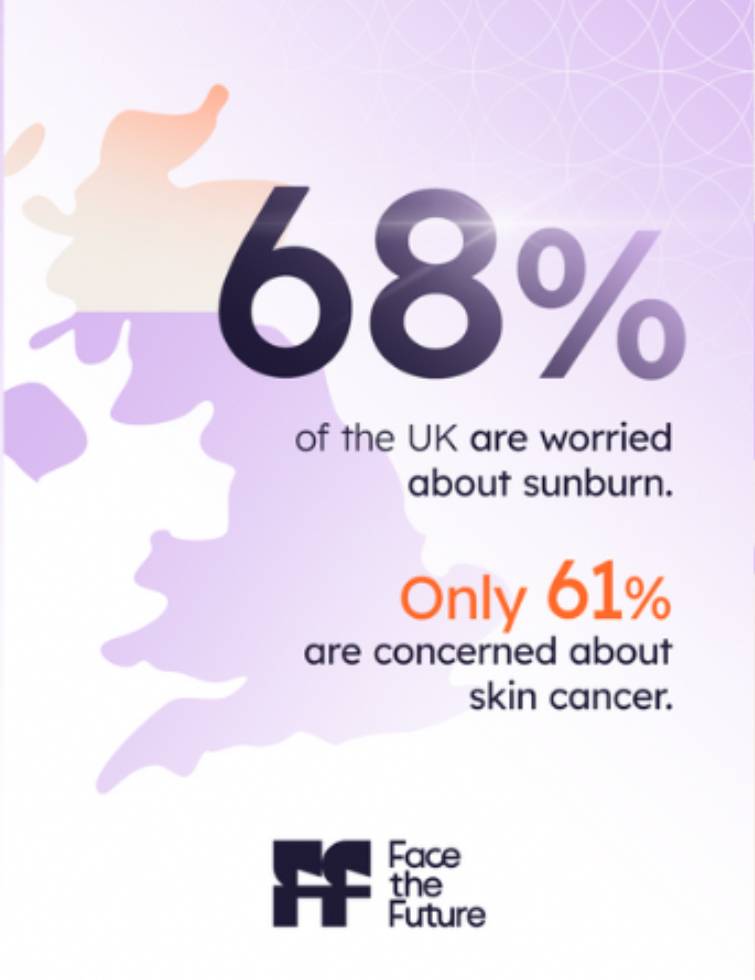
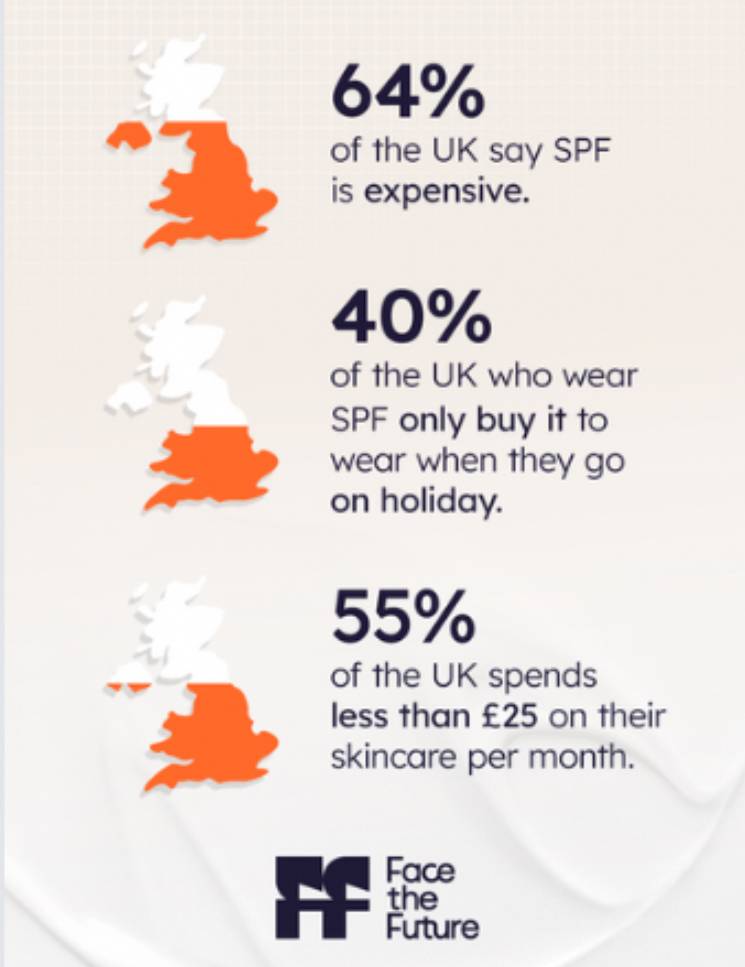
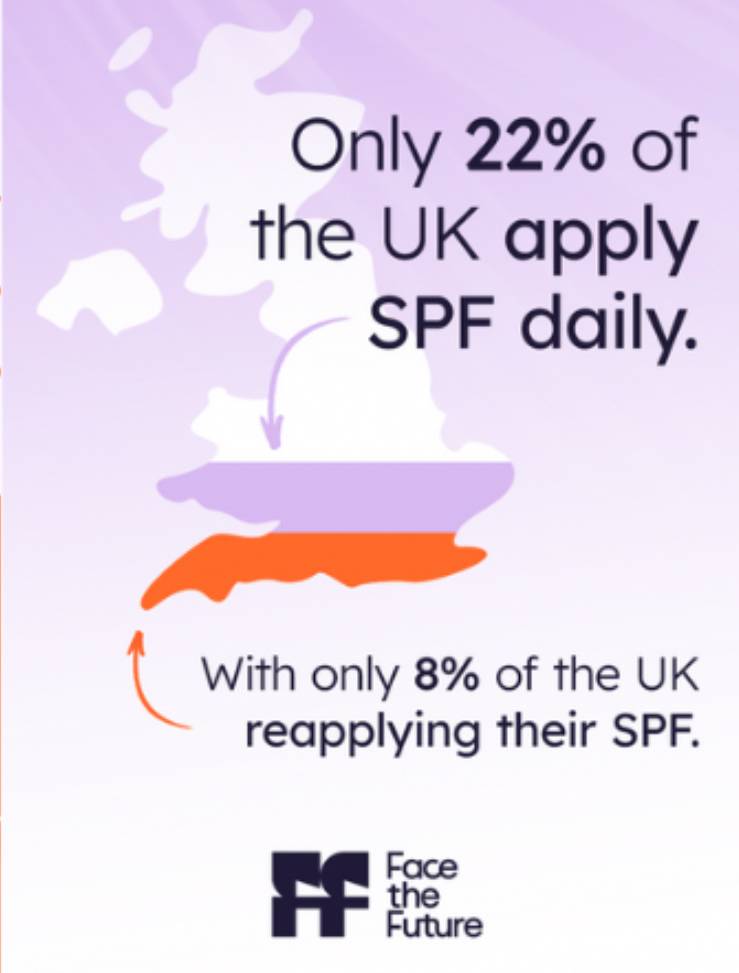 A large proportion of people find SPF to be expensive (64%), which is putting their skin health at risk.