Inbetween days – MOSS Pre-Spring 2026: Dressing for Life Beyond Between

There’s a particular challenge in dressing for the months that sit between seasons. Cold starts, mild finishes. A day that demands layers in the morning and restraint by the afternoon. MOSS understands this moment perfectly, and its Beyond Between Pre-Spring 2026 collection is built precisely for it.

This is menswear designed for real life — adaptable, refined and quietly confident. Think lightweight tailoring, breathable knits and versatile outerwear that works just as well on a city commute as it does on a weekend escape. It’s not about reinvention; it’s about evolution.

Fronting the campaign is curator, model and designer Robbie Jr. Kwapong, whose natural sense of style makes him an ideal fit for the brand’s modern direction. The way he wears the collection says everything: a knit casually draped over the shoulders, a handkerchief slipped into a chest pocket. Small gestures, big impact. As Robbi Hicks, Head of Creative at MOSS, puts it, these details allow the wearer to feel expressive without ever feeling overdone.

At the heart of the collection is versatility. A standout is the new 5-pocket trouser — a sharper, more considered alternative to denim that bridges smart and casual with ease. Lightweight jackets and overshirts provide layering options that don’t feel bulky, while merino-blend knitwear offers comfort and temperature control as the day unfolds.

One of the most notable additions this season is CITY — MOSS’ first-ever leather jacket. Cut from exceptionally soft nappa leather in jet black and espresso brown, it introduces a more directional edge to the collection. Subtle suede accents nod to Western-inspired influences, while linen suiting brings an easy, breathable elegance to warmer days ahead.

What MOSS does particularly well here is balance. Structured tailoring is softened for movement, relaxed silhouettes still feel purposeful, and modular pieces can be worn together or independently. It’s a wardrobe that transitions seamlessly between work and off-duty, city and country, everyday wear and the return of occasion dressing as the months grow lighter.

Fabric, as always with MOSS, plays a central role. Wool, linen, cotton, merino and silk are sourced from some of the world’s most respected Italian mills, including Vitale Barberis Canonico, Solbiati and E. Thomas. The result is clothing that doesn’t just look good, but performs — investment pieces designed to last beyond the season they’re bought for.

Supporting the launch are three short films — Explore, Move and Journey — which capture the spirit of transition that defines both Kwapong and the collection itself. They’re thoughtful, understated and quietly powerful, much like the clothes they showcase.

In a world where menswear often chases extremes, MOSS’ Pre-Spring 2026 offering sits confidently in the middle. Beyond trend. Beyond season. Beyond between.

Why Walking Might Be the Smartest Fitness Habit You’ll Keep This Year

By the end of January, the nation’s collective enthusiasm for burpees and 5am gym alarms usually starts to wobble. The trainers drift back under the bed, the fitness apps send passive-aggressive reminders, and many people quietly decide they’ve already “failed” their New Year’s resolution.

But here’s the good news: according to new UK data, you were probably doing better than you thought all along.

Analysis from Sekonda smartwatches — based on activity from nearly 250,000 users — reveals that Brits average around 6,000 steps a day, and that walking is now the UK’s most popular form of exercise, almost twice as common as running. No extremes. No viral workouts. Just movement that fits real life.

And perhaps that’s the point.

Consistency Over Intensity

For years, we’ve been sold the idea that fitness only counts if it’s intense, sweaty and Instagram-worthy. Yet the reality looks very different. Sekonda’s 2025 Smart Movement Report, which analysed over 240,000 daily activity entries across 10 months, shows that most people stay active by weaving movement into their everyday routines — commuting, dog walking, lunch-time strolls, weekend walks.

Between July and October 2025 alone, walking accounted for 42% of all tracked exercise sessions (23,944 walks versus 11,662 runs). Step counts peaked during the spring and early summer months, but activity remained steady throughout the year — proof that people aren’t “giving up”, they’re simply choosing sustainable habits.

You Don’t Need 10,000 Steps

Crucially, the science backs this up.

Dr Tom Maggs, Chief Medical Officer at Healthwords.ai, explains that the long-held 10,000-step target isn’t a magic number.

“Research shows that around 5,000 to 6,000 steps daily, especially at a brisk pace, can significantly reduce the risk of heart disease, type 2 diabetes and premature mortality. The most important thing is consistency, not intensity.”

In other words, that 20-minute walk you squeeze in at lunch absolutely counts. So does the school run. So does choosing to walk rather than scroll.

The Rise of Realistic Fitness

While walking dominates, it’s not the only story. Indoor running saw a 184% year-on-year increase, likely fuelled by community-led programmes like Parkrun and Couch to 5K. Beyond that, the most popular activities included tennis, football, dance, yoga, cycling and pilates — a refreshingly varied mix.

The takeaway? People aren’t chasing rigid fitness trends anymore. They’re choosing activities that suit their lifestyle, budget and enjoyment levels — which is exactly why they’re more likely to stick.

As Pete Ogley, CEO of Time Products, puts it:

“Real fitness doesn’t look like social media. Our customers are everyday people fitting movement into real lives, and walking is what works.”

A Smarter Kind of Motivation

This shift towards realism also explains the growing appeal of affordable, design-led smartwatches — tools that encourage awareness rather than pressure. Sekonda’s smart range focuses on gentle accountability: step tracking, sleep insights, hydration reminders and movement prompts, without demanding you reinvent your life.

From the Track Smartwatch (£39.99) for habit-builders, to the stainless-steel Flex Plus (£74.99) that wouldn’t look out of place with a roll-neck and overcoat, through to the GPS-enabled Active Pro (£119.99) for those driven by data — the message is the same. Progress, not punishment.

The January Reset We Actually Need

So if January has left you feeling behind, consider this permission to reset the narrative. Fitness doesn’t have to mean joining a gym, chasing extremes or keeping up with strangers online.

Sometimes, it just means putting one foot in front of the other — and doing it again tomorrow.

And that, quietly, might be the most stylish approach of all.

6 of The Best Men’s Winter Boots to See You Through the Cold in Style

Winter footwear is one of those wardrobe decisions that separates the prepared from the perpetually cold. The right pair of boots should do more than simply keep your feet dry — they should work hard, age well, and look good whether you’re navigating icy pavements, muddy country walks or the daily commute.

At Clothes Make The Man, we believe winter boots should balance function, craftsmanship and understated style. Think quality materials, dependable construction and silhouettes that won’t date by next season. From heritage classics to modern technical designs, these are six of the best men’s winter boots worth investing in right now — all tried, trusted and built to handle British winter weather.

Columbia Fairbanks Mid Boot

Best for: Lightweight everyday wear

If you’re after something practical without looking overly technical, Columbia’s Fairbanks Mid is a strong contender. Lightweight, waterproof and insulated, it offers excellent grip underfoot while keeping a clean, contemporary silhouette.

This is the kind of boot that works effortlessly with jeans, chinos or utility trousers — ideal for daily wear when winter weather is unpredictable but style still matters.

Dr. Martens 1460 Winterised Boot

Best for: Urban winter style

Few boots are as recognisable as the Dr. Martens 1460, and the winterised versions are perfectly suited to colder months. Featuring insulated linings, tougher leather and slip-resistant soles, these boots retain their iconic DNA while offering added protection.

They’re a natural choice for city wear — tough enough for winter streets, stylish enough to anchor a casual or smart-casual look.

Helly Hansen Kelvin LX Winter Boot

Best for: Smart-casual versatility

Helly Hansen is known for its technical outerwear, and the Kelvin LX brings that expertise into a refined winter boot. Waterproof leather, warm lining and a streamlined shape make this a great option for men who want practicality without sacrificing polish.

Ideal for commuting, weekend wear or winter travel, these boots sit comfortably between outdoor performance and everyday style.

Timberland Chillberg Waterproof Winter Boot for Men

Best for: Everyday comfort in wet conditions

If you want something a little lighter but still robust against winter weather, Timberland’s Chillberg waterproof boots deliver. With a waterproof build and cushioned sole, they’re ideal for daily wear — from wet pavements to muddy parks. A great pick for guys who want performance without overpowering looks

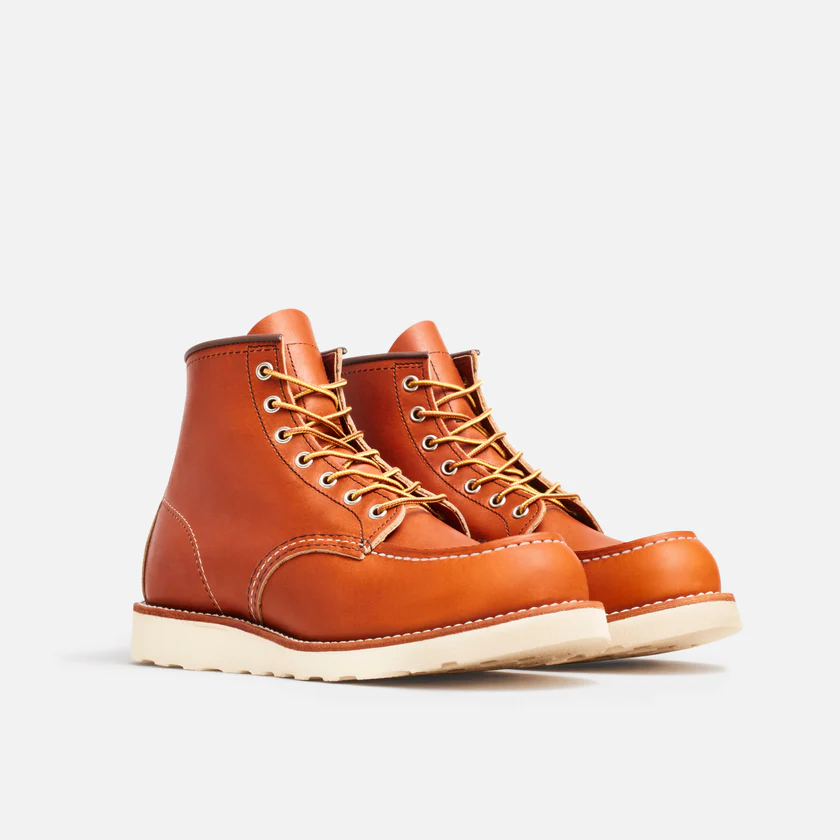
Red Wing 875 Heritage Work 6-Inch Moc Toe Boot

Best for: Heritage style meets rugged usability

Red Wing boots have a reputation for durable leather and timeless design, and the 875 Heritage Work boot is one of the most celebrated models in their lineup. Originally crafted as a work boot, it’s now embraced in menswear for its classic moc toe silhouette and long-lasting build — wear them for years and they age beautifully.

Sorel Caribou Boots

Best for: Extreme winter weather

A go-to pick when the temperature really plummets. With a waterproof shell, thick insulation and rugged sole, Sorel’s Caribou boots are built to tackle snow, sleet and slush with confidence — perfect for anyone whose winter involves more than just pavements.

Power Casual’: How Britain Is Redefining Office Style

Once upon a time, office dressing came with a rulebook. Suits were sharp, shoes were polished, and comfort was something you enjoyed once you got home. Fast forward to 2025, and the UK workplace tells a very different story.

A new study from TK Maxx reveals that British office style is entering a new era — one defined not by rigidity, but by what might best be described as Power Casual. It’s smarter than the Zoom-era hoodie, more relaxed than the old nine-to-five uniform, and firmly rooted in comfort.

The Return to the Office (On Our Terms)

With over a third of UK employees (38%) now spending more days in the office than they did last year, the daily question of “What do I wear?” has returned — albeit with new complexity. Nearly half of office workers (45%) say they dress more formally now than a few years ago, signalling a move back towards polish. But this isn’t a wholesale return to pinstripes and ties.

Instead, “formal” has been quietly redefined.

Today’s office aesthetic sits somewhere between smart (27%) and smart casual (25%). Think relaxed tailoring, soft-shouldered blazers, well-cut trousers with a touch of stretch, and shirts that feel as good at 8am as they do at 6pm. The blazer, in particular, has reclaimed its role as the great mediator — bridging professionalism and practicality with ease.

Comfort Is King

If there’s one statistic that defines modern workwear, it’s this: 47% of UK office workers say comfort is the number one influence on what they wear to work — ranking above looking professional (37%) and even dressing for the weather (33%).

Hybrid working has blurred the lines between home and office, and for 37% of employees, that makes getting dressed more confusing than ever. Yet rather than dressing down, many are dressing smarter, simply demanding that their clothes work harder for them.

Breathable fabrics, forgiving fits and versatility are no longer bonuses — they’re non-negotiables.

A Generational Shift in Style

Interestingly, it’s younger professionals who are leading the charge back towards smarter dressing. Among those aged 16–34, 62% say their wardrobe is now more formal than it was previously. For senior leaders and C-suite professionals, that figure rises to 72%.

Workwear, it seems, still carries weight. Clothing remains a signal — of intent, credibility and self-respect — but the message has evolved. Authority no longer requires discomfort.

Investing in the Work Wardrobe

Workwear remains a serious investment. Nearly three quarters (72%) of employees buy clothing specifically for the office, with 40% maintaining a dedicated “work-only” wardrobe. Younger workers, in particular, are keen to keep boundaries intact — 81% of those aged 25–34 prefer to separate office attire from casualwear.

The average spend per outfit now sits at £119.75, with men investing significantly more (£141) than women (£99). It’s a reminder that dressing well for work is still seen as worthwhile — not just for appearance, but for how it makes us feel.

Over a quarter (28%) say dressing for work is a way to showcase personal style, while 24% admit the right outfit genuinely motivates them for the day ahead. Clothes, as ever, do more than clothe us.

Dressing for the Modern Office

The modern workplace demands flexibility — and so should your wardrobe. TK Maxx highlights a few guiding principles that feel particularly aligned with this new Power Casual mindset:

  • Invest in versatile staples
    Timeless pieces — a good blazer, tailored trousers, crisp shirts — form the backbone of any functional office wardrobe.
  • Choose comfort with polish
    Stretch fabrics, breathable materials and smart silhouettes keep things sharp without sacrificing ease.
  • Add personality thoughtfully
    Accessories, footwear and texture allow individuality to shine without undermining professionalism.

With access to big brands and quality workwear at up to 60% less than RRP, TK Maxx positions itself as a practical solution for navigating this new era — where style, comfort and adaptability all carry equal weight.

The New Office Uniform

Power Casual isn’t about lowering standards; it’s about updating them. It reflects a workforce that values self-expression, comfort and confidence in equal measure. As offices continue to evolve, so too does the language of dress — quieter, more relaxed, but no less intentional.

After all, clothes still make the man. They just don’t have to make him uncomfortable anymore.

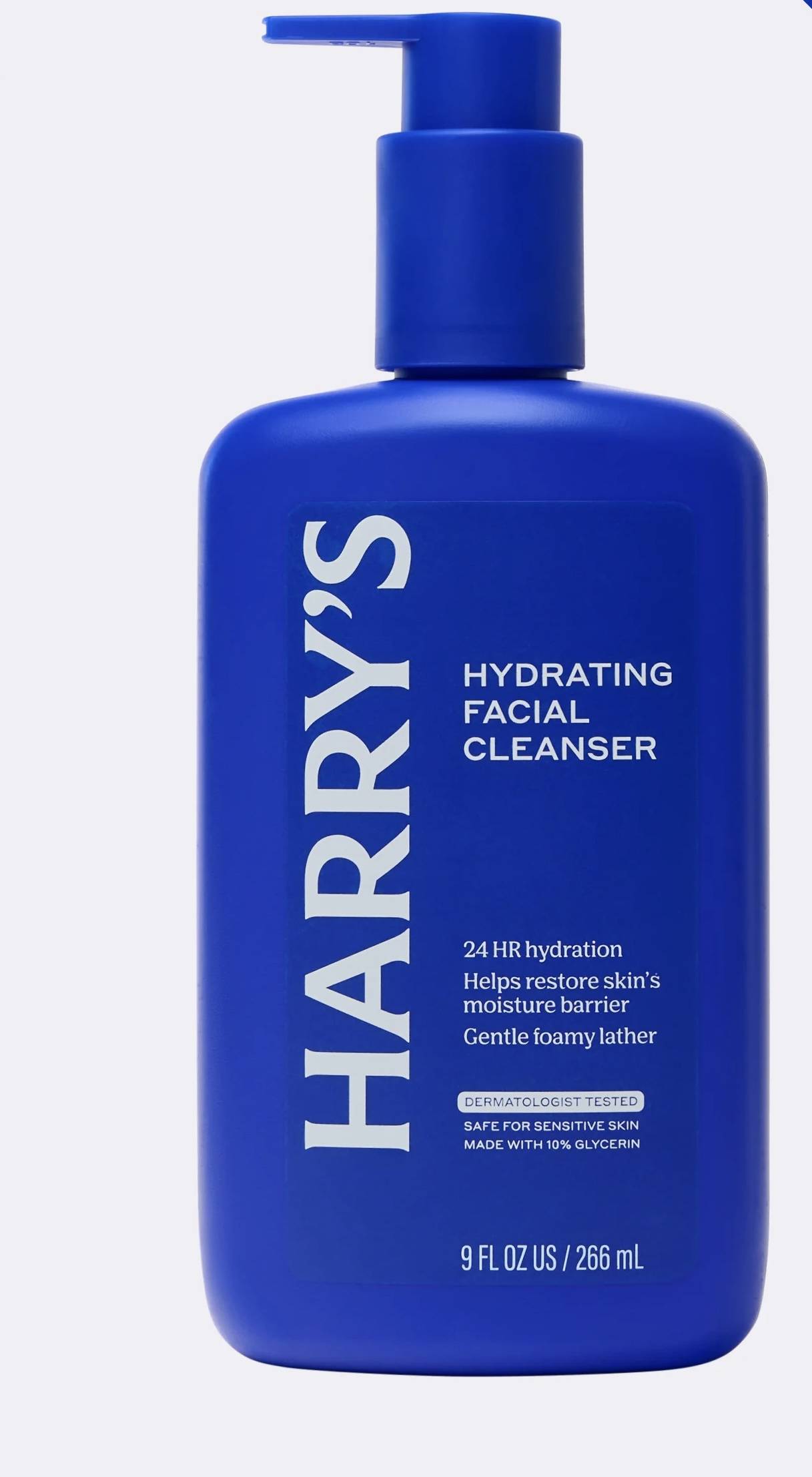
Harry’s Expands Its UK Skincare Line-Up with the Launch of the Hydrating Facial Cleanser

If there’s one thing modern grooming has finally got right, it’s simplicity. Men want products that work, fit effortlessly into their routine, and don’t demand a degree in skincare to use properly. Harry’s has built its reputation on exactly that principle — high-quality, straightforward essentials designed for everyday life — and its latest UK launch continues in the same vein.

The men’s personal care brand has expanded its UK skincare range with the introduction of its Hydrating Facial Cleanser, an easy, everyday face wash created to take daily grooming routines one step further without overcomplicating things.

Dry skin remains the number one skincare concern for men, particularly in the UK’s less-than-forgiving climate. Harry’s Hydrating Facial Cleanser is designed to address that head-on, offering a gentle but effective cleanse that delivers long-lasting hydration while helping to support the skin barrier. It’s an ideal entry point for those new to skincare, as well as a smart upgrade for anyone looking to refine their daily cleanse.

True to the brand’s ethos, the formulation keeps things purposeful rather than flashy. The cleanser is made with premium ingredients and is suitable for sensitive skin, with both dermatologist and clinical testing backing its performance. In other words, it does what it says on the bottle — no unnecessary steps, no gimmicks.

The launch also reflects how men actually use skincare. Harry’s previously introduced an Exfoliating Face Wash, designed as a more occasional addition to a routine rather than a daily staple. Consumer insights revealed that most men prefer exfoliation as a secondary step, not something they reach for every morning and night. The Hydrating Facial Cleanser fills that gap, offering a gentler option that’s designed for everyday use, whether morning, night, or both.

It’s a move that feels considered rather than reactive, and one that reinforces Harry’s position as a brand that understands modern grooming habits. For men who want healthy, comfortable skin without turning their bathroom shelf into a laboratory, this latest addition ticks all the right boxes.

Sometimes, better grooming isn’t about adding more products — it’s about choosing the right ones.