This is a Public service announcement – PUBLIC SERV-CE

PUBLIC SERV-CE is an eco-conscious, visionary bio-sportswear company with societal relevance and environmental values.

If Raphael Young’s past work at F_WD and OFF-WHITE is anything to go by his newest launch PUBLIC SERV-CE – the ‘well feeling’ fashion of the future, will most certainly be the new big thing.   PUBLIC SERV-CE is an eco-conscious, visionary bio-sportswear company with societal relevance and environmental values.  Precursor of the well-feeling movement, they elevate athleisure into a performance lifestyle revolution.  Rooted in virtuous design, they provoke meaningful change in the sports & apparel industry to create great products while preserving our planet and all beings.   “Design is very important to us. It must be simple, genderless, not following any season or trends and be ahead of the curve.”

Lightweight, breathable and quick drying, their Bio Comfort wear is made of an extra-soft organic, biodegradable cotton for maximum comfort and well-feeling. Enhanced with PUBLIC SERV-CE bio-tiful Peppermint Fresh technology, this apparel features a natural antimicrobial property to keep them fresh longer, so you won’t need to wash them as much, saving at-home water and energy consumption.

Gracefully Ageing: 10 Tips to Stay Fit as You Age

Words by Sara Terrell

Daniel Craig, Sean Connery, Colin Firth and Idris Elba…these are just a few examples of men who are ageing well.

But what’s their secret? It’s not just good genes and lighting, these men all have one thing in common. They keep fit. You won’t see a flabby Daniel Craig or Idris Elba sporting a wobbly double chin.

If you want to age well, you may need to make a few lifestyle changes. Here’s how you can stay fit even when you’ve got a lot of candles on your birthday cake.

1. Stay Physically Active

Getting off that couch and staying physically active is a good all-rounder in the anti-ageing department. While not suggesting you take up marathon running, staying physically active can be as simple as doing an hour’s work in the garden or going for a brisk walk three times a week.

Exercise helps circulation. It’s good for your heart and bone health and it eases stress and releases endorphins—those feel-good hormones that give us extra energy. Plus, it keeps the inevitable middle-age spread at bay.

2. Pick Exercise Types To Match Your Age

In their 40s, many men gain a little weight as they age. Resistance training is a good way to burn calories, prevent fat accumulation and reverse that bane of ageing—losing muscle mass.

Try dumbbells and kettlebells and consider taking pilates classes as they’re great for strengthening your core and preventing back pain.

In your 50s, chronic conditions often raise their heads such as hypertension, cardiovascular disease, and sometimes, type 2 diabetes. If you’ve hit the big 5-0, consider doing strength training 2-3 times a week.

In your 60s, the incidence of serious diseases such as cancers increases markedly. In this decade, you want to maintain your exercise regime at a fairly high level. You can do this by working out combinations of the exercise types described above.

In your 70s and beyond, exercise helps to reduce cognitive declineand will definitely help with reducing frailty.

3. Keep Moving

The important thing is to keep moving. A sedentary lifestyle is to be avoided at all costs. Sustained exercise should become a lifestyle choice you make over and over again.

And of course, walking is a great way of doing weight-bearing exercise. Walk briskly so that you just break a sweat. It will keep your bone density at a good level and is good for all round fitness.

Don’t forget to stretch, it’s a brilliant way to keep flexible and ease away aches and stiff joints.

4. Varying Your Exercise

Why not try a boxing class, resistance training with rubber bands or bodyweight workouts? By varying the type of exercise that you do your whole body will get a workout and you won’t get bored. You may find that as you get older some types of exercises are easier than others, so don’t be afraid to try new things.

5. You Are What You Eat

Watching your diet is another important investment you can make in your anti-ageing fitness journey. Eating a balanced diet made up of a little protein (lean meats, fish and chicken), vegetables of all colours and fruit is the best way to boost your health.

Simple eating choices such as a diet of plenty of fish, olive oil, fruit, vegetables and omega-3 fatty acids is super nourishing, benefiting not only your body but your brain too. 

Oh, and watch those portions. Remember your stomach is only as big as your clenched fist, most of us eat far too much at a sitting. Start cutting down on your portion size. Your gut will be much happier for it.

6. Lower Your Stress Levels

Exercising to relax may sound like a contradiction, but it’s not. Keeping your stress levels under control is another important factor in keeping fit.

Scientific research has shown that aerobic exercise has mental benefits and has a neurochemical basis, according to Harvard University. Having high levels of the stress hormones of adrenaline and cortisol is not good for the body and you need to avoid this as much as possible.

Keeping yourself fit with moderate exercise is one of the best stress relievers around. Achieving this may be as simple as walking the dog.

7. Ditch The Vices

If you still smoke, stop. Smoking is one of the fastest ageing accelerators around and it won’t help you stay fit if you’re coughing after just a few minutes of exercise.

A couple of pints at the pub are fine, and a glass of wine with dinner won’t hurt, but it’s a good idea to stick to the unit guidelines for alcohol consumption of no more than 14 units a week. Alcohol is laden with sugar and won’t help you on your fitness journey.

8. Get Enough Sleep

As you age, and it’s vital that you get enough rest. Sleep affects all the tissues in your body, including growth and stress hormones, your immune system, appetite, breathing, blood pressure and cardiovascular health. These are essential for staying fit and healthy.

Getting enough sleep is also important for maintaining your energy levels. It’s difficult to exercise when you’re exhausted, and if you’re well rested, you’ll put a lot more effort in.

9. Take Care Of Your Feet

Feet are not the first thing we think of when talking about fitness. But as you age, the circulation in your lower extremities decreases, so any injury, bunion, infection or small cut will take longer to heal.

Keep an eye on your feet, and address any nicks, cuts or dry patches quickly.

10. See Your Doctor Regularly

Staying fit isn’t just about exercising, it’s about looking after your body, too. Regular scheduled checkups with your GP will help to detect any serious problems, most of which can be treated if caught early enough.

Fit Is A State Of Mind

Staying fit as you age is an ongoing journey and a conscious decision you need to make. Your metabolism will slow down and you won’t find it as easy to run up that flight of stairs or lift that heavy box.

Put the effort in and it will pay off. Just remember to listen to your body and know your limits. You can push yourself a little, but remember, you’re no longer in your 20s and have nothing to prove.

Nutrition expert the biggest diet mistakes you’re making, including not eating enough fat and not counting colours

Having a better diet is often at the forefront of many peoples minds, however, with so many different types of diets, it can be overwhelming to know the right way to achieve your nutrition goals. Nutrition expert Lauryn Lax at BreakingMuscle.com outlines the main reasons why your diet isn’t working and how to fix them.

Your gut isn’t healed

Beyond diet and stress, one essential factor most people don’t consider when it comes to body fat loss is what’s going on in their gut. Underlying gut issues like fungal or bacterial overgrowth, imbalanced gut bacteria, chronic bloating or constipation, or low stomach acid, can lead to nutrient deficiency and malabsorption issues.

The result? Your body is going to fight against you, no matter how clean you eat or how much you work out. One study on the effectiveness of a gut-healing protocol in people on a fat loss program found those who focused on healing their gut lost an average of about 11 pounds of body fat, with only three of those pounds related to diet alone. Other research has shown that individuals with a healthier gut (less bacterial overgrowth) and better digestion respond better to intermittent fasting, versus those who have an unhealthy gut microbiome.

In short, you are only as healthy as the trillions of bacteria in your gut. You can think of your gut as the gateway to all other systems in your body. If it is unable to absorb and digest your nutrients appropriately, or it is rotting and fermenting bacteria inside, then your other body systems won’t get what they need. When that happens, health declines. Your hormones get out of whack, you experience increased anxiety, feel the need to binge, and gain body fat.

When you get rid of unwanted bacteria or undigested food hiding out in your gut, inflammation lessens, your metabolism, cortisol levels, and thyroid are supported, and your body is free to stop holding onto unwanted body fat.

The best way to find out if you have a gut issue? Test, don’t guess. Consult with a practitioner, skilled in digging deeper into gut health for a personalized approach. Testing may include SIBO, stool, hormone level, and food intolerance screenings.

You’re not eating enough fat

Diets that exclude or severely limit fat tend to replace all those calories with carbohydrates, which sets you up to ride the blood sugar roller coaster. Your body is constantly chasing balance between blood sugar and insulin levels, which can in turn impact your cortisol (stress hormone) production. Cortisol signals your body to store body fat, rather than burn it, and can also lead to increased intake of high-carbohydrate foods.

Dietary fat can help keep energy levels more even, and hunger at bay. Reach for healthy fats with each meal, and in place of carbohydrate-based snacks, reach for a snack with healthy fat or protein as the base. Look for things like raw nuts and seeds, olive oil, coconut oil, coconut butter, avocado, olives, ghee, grass-fed butter, full-fat fermented yogurt, fatty cuts of organic meats, pastured eggs, or avocado oil.

You’re not including carbs
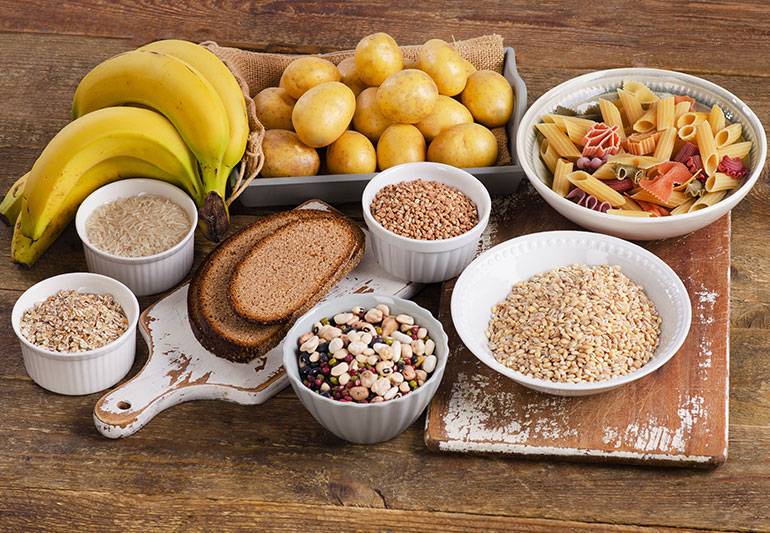
Just because you should eat fats doesn’t mean that carbs are the enemy, either. When we go too low on carbs, particularly from veggies, we risk also eliminating fibre, which is essential to digestion, your gut biome, and metabolic balance. Extreme diets at either end of the fat vs. carbs spectrum can negatively impact your metabolism.

Researchers and dieters everywhere are asking, which is better, low fat or low carb? But there isn’t a single correct answer. Some people do better with more carbs, and some do better with more fat. Every body is different. For example, some women who have issues with their blood sugar or insulin resistance have found ketogenic diets beneficial as a short-term dietary approach. However, women who have their blood sugar under control, but have some adrenal fatigue or hormone imbalances, have found a ketogenic diet more harmful in the long run.

You’re counting numbers when you should be counting colours

Our bodies don’t see food in terms of macros and caloriesThey see nutrients and need lots of nutrient-dense foods to thrive. The problem many people run into with macro or calorie-based plans is that they fixate on numbers, scales and measurements, without acknowledging the nutrient density in foods, and how your metabolism responds to that.

For instance, a half cup of gummy bears may supply your body with a punch of “quick digesting carbs” after a workout, but the nutrient composition and health benefit it provides is completely different than a half cup of berries or a small, sweet potato. Your body responds to the real food with increased satiety and a better metabolic result.

Diet staples like chicken, olive oil, and rice do give your body some protein, fat, and carbs, but what about their nutrient density and variety? Put another way, how many colours are in that meal? Generally speaking, less colour means fewer nutrients, and less satisfaction from eating them. You might have hit your macro goals, but your body is still craving the rest of the many nutrients it needs to function at its best.

When we consume lots of colourful veggies, body-boosting healthy fats, and essential proteins, our metabolism comes alive, extracting various vitamins, minerals, and antioxidants to keep your body revving. My top picks include:

  • Dark leafy greens
  • Colorful veggies (aim for 2-3 different veggie colors at each meal)
  • Berries
  • Citrus (lemon, orange, lime, grapefruit)
  • Organic herbs (parsley, cilantro, rosemary, thyme, sage)
  • Organ meats
  • Fermented foods like sauerkraut
  • Pastured eggs and poultry, grass-fed beef, wild-caught fatty fish
  • Coconut oil, cold-pressed extra virgin olive oil, ghee, and grass-fed butter
  • Avocado
  • Raw brazil nuts, walnuts, and macadamia nuts

While you’re at it, make sure you are eating enough. Under-eating is just as detrimental as overeating.

You’re too stressed about your diet

Stress is the number one driver of all disease, including stubborn body fat. Stress is inevitable in our society, but it is often overlooked in areas beyond mental health. Even if you don’t think you’re stressed out, minor daily stressors can threaten metabolic balance.

Biologically, your cortisol level needs to be in a state of balance in order to shed body fat. If your body constantly feels threatened, cortisol levels become chronically high. The last thing your body wants to do when it thinks it’s fighting for survival is comply with your fat loss protocol.

You can’t improve your body when your mind is freaked out. Stress reduction has been shown to help alleviate an otherwise broken metabolism. Incorporating a practice of deep breathing, meditation or prayer, meditative movement (stretching, yoga, dance), and reading or listening to positive truth (podcasts, books, speakers, etc.) are all tactics for mindfully reducing stress.

You’re not paying attention to your meals

Speaking of mindfulness, research tells us that practicing it during meals can help reduce cortisol and abdominal fat. Incorporate these techniques into your own mealtimes:

  • Chew your food (fully)
  • De-screen: turn off the TV, phone, computer and even books
  • Assess your level of hunger and fullness. You don’t have to always finish your plate, and sometimes, you may need seconds.
  • Be aware of how food makes you feel. Are you bloated, constipated, breaking out, anxious, have an allergic reaction? Something may be in your food that is not sitting well with you.
  • Don’t eat the same things every day. Incorporate a variety of nutrients from real foods.

You haven’t fixed your mindset

These essential strategies could be the game changers you’ve been looking for to get your fat loss efforts on track. But the biggest of all comes from a gut-check of a different kind: not making your goal solely about fat loss.

Fat loss is only the means to get something else you really want. Identify that feeling that you think your fat loss will bring you and begin feeding into goals and pursuits outside fat measurements or the scale itself to attain what it is you truly want.

The biggest game changer in getting the body you want will come when you stop focusing so much on scale and size and instead make goals and set intentions around other more important things in your life. It’s not bad to want to improve your body composition, but when our sole drive and focus is aimed at body fat loss alone, that dangling carrot will never be fully attained. There will always be someone better, fitter, prettier, or leaner than us.

Instead, set primary goals for personal development, peace with yourself and food, healing your gut or hormones, stressing less, improving relationships.

If you use these insights, we would appreciate a link to  www.breakingmuscle.com who provided the expert commentary. A linked credit allows us to keep supplying you with future content that you may find useful.  

A sock and pants for all seasons – PantsandSocks.com

PantsandSocks.com, the online men’s branded underwear retailer, is urging men to “Pull-on the right pants, every time”, believing body confidence starts with your pants and socks, the unsung heroes of your wardrobe.


Clothes play a big part in how we feel, how we speak to people, and how we position ourselves in different environments. The ‘Dopamine Dressing’ theory suggests that wearing certain clothes helps improve your mood and makes you feel assured. But it all starts with your underwear.

Pick the right pants and socks for the day ahead and you will feel on top form. It’s thinking about the job in hand, whether you are going to an interview, board meeting, a party, or the gym.

Wear pants that don’t do the job, that don’t fit properly, restrict your movement or show under your trousers, and you’ll be distracted and uncomfortable all day. Get it right and you will feel confident, smart, and fresh from the skin outwards.

Pantsandsocks.com offers a range of pants and socks from leading brands that help you feel confident and ready to tackle any situation. With so many different scenarios choosing the right outfit can be a real challenge. To make it easier PantsandSocks.com has made a list to tackle some common scenarios,

Travel – Whether it’s a holiday to the sun, a city break, a long-haul flight, or even a car journey, comfort is the key. Wearing a comfortable pair of pants and socks can help you remain comfortable, relaxed, and calm.

The SAXX Daytripper BB Fly Men’s Boxer Brief is ideal for guys on the move, with Saxx’s unique Ball Park Technology that cups and cradles your balls (like being caressed by an Angel, says Jamie Oliver), these are pants that will keep you comfortable and ensure you feel great all-day.

The Tommy Hilfiger 2 Pack Men’s Sneaker Socks are the perfect ankle socks to wear with trainers on flights, trains and any long . With a cushioned sole in combed cotton with hand-linked toe stitching, they will keep you feeling fresh.

Work – High-quality, well-fitting clothing helps you feel more confident and effective, allowing you to take any problem at work. Wearing formal clothing can change the way you view and approach situations, even allowing you to problem-solve better and spark curiosity.

The Boss 3 Pack Trunks are made in stretch cotton which brings breathability as well as flexibility, these signature trunks are topped with a waistband featuring the BOSS logo. The straight fit and regular rise are perfect to wear with trousers and won’t ride up.

French Connection 3 Pack Waterfall Socks  High-quality woven cotton allows your feet to breathe in the hottest of office days or meetings. No more sweaty feet when work gets hot.

Sport – Light and flexible fabrics keep you cool and allow agile movements providing no distractions as you serve a match-winning point.

Puma briefs – Puma specialise in sports gear – high cut brief allows for freedom of movement.

The Gant Retro Sports Shield Sports Socks – inspired by ’90s American sportswear, the well-fitting socks are made of a ribbed cotton blend, with contrast colour hems and an intarsia logo design at the ankle.

Holiday – Style and comfort are key with bold colours and patterns allowing you to embrace the holiday vibe, shake off the formal attire and relax.

Derek Rose Nelson 84 Boxer short – quality and comfort are essential if you are looking for something special to wear on your holidays. For day-long luxury, look no further than the classic fit Nelson 84 boxers. The repeat cherry print on a blue and white striped fabric is certain to be a refreshing addition to your suitcase.

Ralph Lauren White Socks There is no point in buying the latest pair of trainers if you don’t wear an equally fashionable pair of socks.

Date Night – Get some swagger and feel sexy with Pants&Socks’ Date Night Gift Set  – guaranteed to take the pressure off, with Boss Trunks and Calvin Klein Connor Socks, giving a cool, calm, and collected vibe to the evening.

Whatever the occasion, a crisp, fresh pair of pants and socks can help start the day off nicely.

Top Tips For Caring For Your Clothes

Words by Melissa Chorlton

Clothing has a lifetime of around 2 years which sounds ridiculous, in reality, they last much less than this because we don’t care for them properly. The issue with this is that many clothes then end up in landfills. It is no secret that fast fashion is one of the largest contributors to pollution in the world, so taking care of your clothing properly is more important than ever. The global production of clothing increases every year and with fast fashion bringing out more low-quality clothing, it feels like a never-ending process. In this article, we will go through some of the top tips for caring for your clothes that will help to keep them for longer and look as good as the first day you purchased them.

Know Your Fabrics

Knowing your fabrics may be one of the most important things you can do when caring for your clothing properly. It can be complicated, but once you have your head around it, you will be able to determine the best methods for cleaning that certain item of clothing. Whether it is suede, plant-based, blended, organic or anything else that you may have, they will all have certain specifications. It is great to see innovations in fabrics for less disruptive and resource-intensive materials being used in clothing. Understanding how to wash certain fabrics, wash cycles, detergents to use and how to dry clothing is an essential part of caring for your clothes properly.


Wash Your Clothes Less

If your clothes aren’t dirty and don’t smell then don’t put them in the wash. Washing your clothes too often is going to deteriorate them much faster as it damages the fibres which in turn reduces your clothing lifespan. When you have only worn something for an hour or two or your clothing just isn’t dirty or it doesn’t smell, then consider putting it back in your wardrobe instead of the laundry basket. You can now buy fabric cleaners that you can spray on your clothing so it smells fresh for your next wear. Alternatively, you can hang your clothes outside and let them air out for an extra fresh scent.

Wash At Low Temperatures

When you are going to clean your clothing, it is important to do it in the kindest way possible. This means using low temperatures and also using a detergent that is gentle and possibly organic. High washing temperatures damage your clothes and will result in colouration fading as well as the fibres getting damaged. 30 degrees or less will do fine, as long as you buy the correct detergent. When washing jackets or denim, it is also best practice to wash them inside out and one at a time to save discolouration. If you are conscious about the environment, then you may want to invest in wash bags such as guppy bags so that the fibres don’t fall out in the wash. This is especially the case with athleisure such as tracksuits as these contain harmful fibres.

Always Sort Through Your Laundry

When an item of clothing is dirty you obviously put it in the laundry basket. This leaves all of your clothes mixed together. Darks, colours and whites should not be combined so it is vital that you sort through your washing before you wash them. The best way to do this is to separate your clothes and also read the instructions as some materials may be more delicate than others. If you do wash all your clothes together, you could face all of your washing being different colours, damaged fibres, pulled zippers or worse.

Store Your Clothes Correctly

We all have clothes that are looking a bit worse for wear and we all know how it feels when you open your wardrobe and it’s just a cluttered mess. This is one thing that is ruining your clothes. Instead, a top tip for caring for your clothes, you need to keep your clothing aerated with space between your hangers. Draws should not be crammed with clothes, you need to have this in a way that your clothes are folded neatly away without brimming out. If you don’t have enough room in your wardrobe, it is time to start purchasing some vacuum bags so you can easily store them away when out of season.


Repair Damage, Don’t Throw

One thing that doesn’t happen enough these days is people repairing their own clothing, or even getting them repaired at all. If you see any damage in your clothing, repair it as soon as you can so it doesn’t get worse. This will result in you still having a great item of clothing, rather than it ending up in a landfill. This is a great tip for caring for your clothes, but it is important to understand how to repair different types of clothing. Increasing the lifespan of clothing is a result of caring for your clothes properly, so if you have anything over 2.5 years and it still looks good to wear, then you are doing a great job.


Pre-treat Stains Before Washing

Stains are something that must be dealt with straight away and it is pretty simple to do with an easy cleaning solution. Take some warm water, and put some detergent in it. If you are hand washing, the powder is best as you can rub this into the stain to encourage it to come out in the wash. If using a liquid, simply add it directly to the stain. Once rubbed in, pop it in the wash for a final rinse.