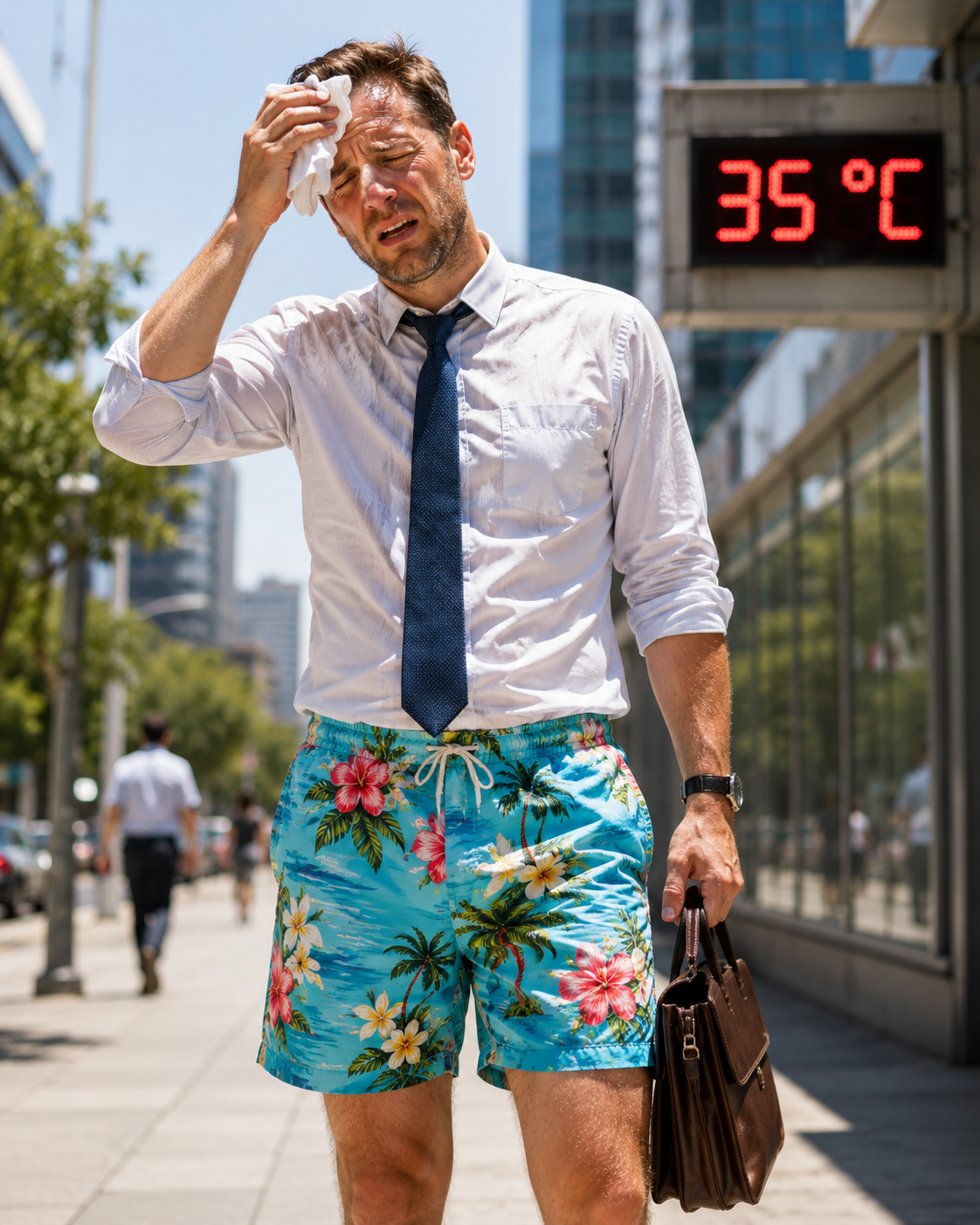
For many, summer is synonymous with longer days, holidays and time spent outdoors. Yet as temperatures climb, feeling constantly tired, sluggish or lightheaded has become an increasingly common complaint.
New data from Healthwords.ai suggests that more people are looking online for answers, with heat-related health queries rising by an astonishing 621% between April and June as warmer weather took hold across the UK.
The analysis of anonymous user searches paints a clear picture of the hidden impact prolonged periods of hot weather can have on our wellbeing. While feeling uncomfortable in the heat is hardly surprising, the data suggests many people are experiencing symptoms that go well beyond simply feeling warm.
Among the most frequently searched concerns were dizziness and fainting, coping with heatwaves, excessive sweating and night sweats, dehydration and electrolyte loss, alongside persistent lethargy and fatigue.
According to Dr Thomas Maggs, the reason many of us feel unusually exhausted during hot weather is rooted in how hard the body has to work to stay cool.
“When temperatures rise, your body works much harder to regulate its core temperature,” he explains. “Blood vessels widen to release heat, your heart has to circulate blood more efficiently and you lose both water and essential electrolytes through sweating.”
That extra effort can quickly take its toll.
“Even mild dehydration can leave you feeling unusually tired, sluggish or lightheaded,” says Dr Maggs. “If you’ve also experienced several nights of poor sleep because of warmer temperatures, that fatigue can accumulate over several days.”
Perhaps most surprising is how easily dehydration can develop without people recognising the warning signs.
“Thirst is actually a relatively late indicator,” Dr Maggs explains. “By the time you’re feeling thirsty, developing a headache or noticing fatigue, you may already be mildly dehydrated.”
The findings are particularly relevant for anyone exercising outdoors, commuting in warmer conditions or spending prolonged periods in direct sunlight. Older adults and young children remain especially vulnerable, but even healthy adults can underestimate the cumulative effects of heat.
Fortunately, avoiding heat-related fatigue often comes down to a handful of simple habits. Drinking water consistently throughout the day rather than waiting until thirst develops remains one of the most effective preventative measures. Replacing lost electrolytes after heavy sweating, prioritising quality sleep by keeping bedrooms cool, taking regular breaks in shaded areas and avoiding prolonged exposure during the hottest part of the day can all make a noticeable difference.
Dr Maggs also advises seeking medical attention if symptoms progress beyond tiredness and mild dehydration. Persistent dizziness, fainting, confusion or vomiting could indicate heat exhaustion or, in more serious cases, heatstroke.
As the UK continues to experience warmer summers, the Healthwords.ai data highlights an important reminder: fatigue isn’t always simply a consequence of a busy lifestyle. Sometimes, it’s your body’s way of telling you it’s working overtime to cope with the heat.
Staying properly hydrated, recognising the early signs of dehydration and making a few simple adjustments to your daily routine can help ensure you enjoy the best of the season without feeling completely drained by it.
