 Navigating the world of online dating can be tricky and it’s important not to lose sight of the potential dangers and scams that you may encounter whilst engaging with other potential matches. That’s why security expert Nathan Daniels from VPNOverview.com has outlined 7 steps you can take to protect yourself when dating online to ensure you don’t have a negative experience.
Turn off location tracking
Many dating apps require that you turn on location tracking. This means you have to allow these apps to view your location. Dating apps use this information to get you into contact with people who are close to you geographically.
Of course, this is a very useful feature. Nevertheless, it’s understandable you might not want to share your exact location with a dating app, or with any service for that matter.
It is strongly recommended to turn off geo-tracking once you’re no longer actively using your dating app. That way, at the very least, you prevent the app from tracking you constantly.

Request a video chat (before your first date)
Another great safe online dating tip is to filter out fake dating profiles by requesting a video call. In fact, it can be a regular call as well, although video chatting is definitely better. Most people with fake profiles will be very reluctant to have a call, especially if a video is involved.
Obviously, it’s much easier for scammers to deceive their victims through text messages and sending someone else’s pictures. If they were to agree to a call, they would most likely just be discovered as fraudsters. As such, if someone refuses to have a (video) call, you might just be dealing with a fake profile.
Of course, you might be dealing with someone who is serious about meeting up at some point. In that case, a video call or a regular call is very useful as well. It will help you to gauge the other user’s intentions and character a little bit. This could help you avoid some dangerous scenarios.
Don’t connect your dating profiles to other social media or platforms
It might be tempting, for convenience reasons, to just log in on a dating app with your Facebook account or your main Google account. However, it is strongly recommend to not do this, as it’s a potential privacy hazard. Just think about it – you’re connecting a profile that’s intended for friends and family to a platform where you’ll be contacting tons of people you don’t know. Instead try using another way to log in, that can’t be traced back to you. One method, for instance, would be to create a Google account with random information that doesn’t contain any of your personal data.
Choose pictures you don’t use elsewhere
By using a reverse image search, someone can easily use your dating profile pictures against you. They can simply use this Google tool to find other pages where the images appear. This way, they’ll easily find out your personal information, even if you didn’t include it on your dating profile.
As such, it is recommended to only use pictures on your dating profile that you’re not using anywhere else. This also means it’s a bad idea to allow Tinder or other dating apps to simply pull pictures from Facebook or other social media accounts.
Report suspicious activity and inappropriate behaviour
Many dating apps have ways to report profiles and/or inappropriate behaviour. This comes in handy when you come across a (potentially) fake profile or behaviour that makes you uncomfortable. By reporting the profile involved, you will make your own and others’ dating experiences safer.
After you report an account, the respective dating app will generally launch an investigation. If someone’s profile is found to be fake or they are found guilty of inappropriate behaviour, their account will be deleted.
 Types of suspicious or inappropriate activity you might encounter on dating apps include the following:
- Fake profiles. Always be wary if you see a profile that’s unverified, offers little information, or seems too good to be true.
- Money demands. If someone asks you for money, there’s a good chance they’re a catfish.
- Requests for explicit pictures. The person requesting these pictures might plan on sextorting you.
- Inappropriate messages, such as messages containing threats or sexual intimidation.
- Unacceptable behaviour during a physical meeting exhibited by the people you meet.
- Messages where people try to sell you something or get you to do something unrelated to dating (spam).
- Rejection of video calls, even after chatting with someone for a long time. This might indicate you’re dealing with a fake account.
Many dating platforms also offer the possibility of blocking a specific user. This is a great option if someone is bothering you and you don’t want to have them contact you while you’re awaiting the results of the dating app’s investigation after reporting them.
Be wary of malicious files and pages
Some catfish operate by infecting their victims’ devices with malware. Rather than asking you for money, they might attempt to infect your system with a keylogger, in the hope. of getting their hands on your financial data.
That’s why it’s recommended to not download or click on any files that a new chat partner might send you. It’s best to wait until you know them a bit better and trust the,. The same goes for visiting links they send you – both can contain dangerous malware.
Apart from always being vigilant, we recommend getting a solid antivirus solution to protect yourself from malware.
Delete your account when you’re done dating
Have you finally met your soul mater? Or have you had your fill of casual dating fun? Either way, consider another valuable safe online dating tip, and make sure to delete your online dating account once you’re done dating.
Deleting your dating profile will erase (most of) your personal information on the dating platform in question. As a result, it will be much more difficult for others to abuse your personal information.



















 Occasionally, the unthinkable happens: you get a little too confident watching YouTube videos in the bath, and the next thing you know, your phone is submerged in soapy water. Other times, you hear the sickening crack of your phone screen as you walk down the road, realising too late that your screen is cracked beyond recognition after falling right out of your pocket.

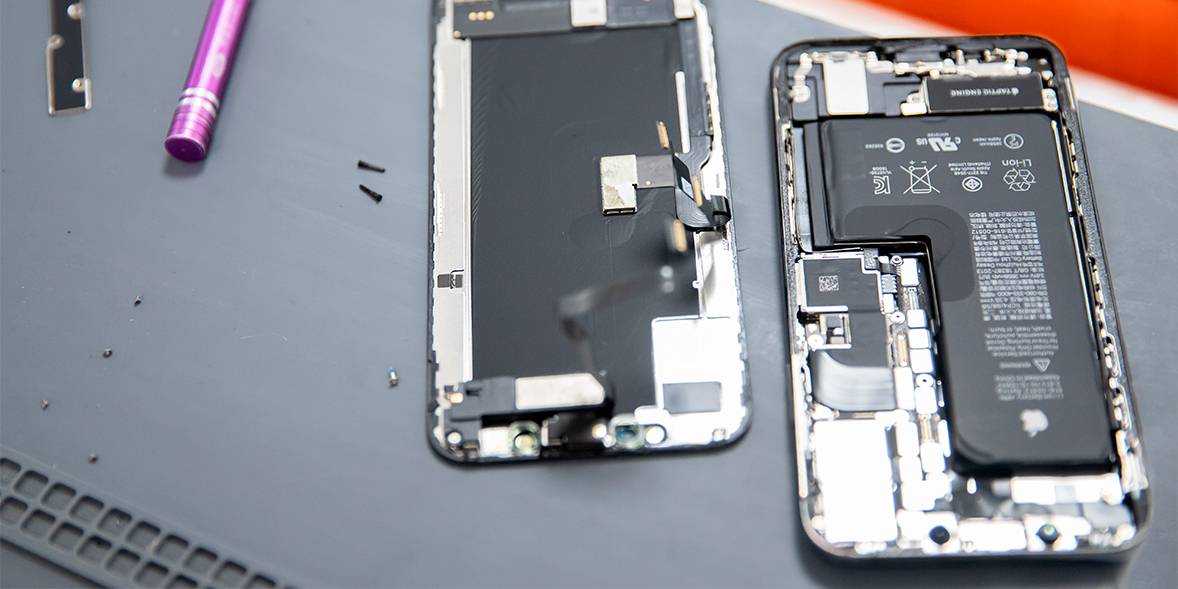 Arguably the main reason people don’t bother to fix their phones is due to the expense. However, fixing your phone does not always have to break the bank – and this is where insurance comes into play.