Don’t let Halloween phobias spook you – here’s what to do about them

Words By Christopher Paul Jones, Harley Street phobia expert and author of ‘Face your Fears – 7 steps to conquering phobias and anxiety

There are lots of great things about Halloween: pumpkin carving, trick or treating and apple dunkingto name a few. But, for some people, it can set off their fears and phobias, including Samhainophobiathe phobia of Halloween itself.

There are a number of causes of a fear of Halloween:

Religious beliefs: Fearing Halloween due to its connotations with evil. Like my Mother, who really didn’t like Halloween for this reason.

Social phobias: Guising, knocking on doors and talking to strangers can create fear in some children. Especially if they have had bad experiences, like being told to get off the doorstep.

The main causes of a Halloween phobia however, are the number of fear inducing activities associated with 31st October. Here are some top Halloween phobias:

Arachnophobia – fear of spiders

Spiders is one of the biggest phobias with 55% of women and 18% of men having this fear.

If somebody has a fear of spiders it tends to stimulate feelings of disgust and repulsion which trigger a fearresponse in them. It is believed that this is formed around us having an aversion to creatures that look alien and have fewer similarities to humans. Or even a fear of being harmed by a spider.

A spider phobia can also be triggered from your parents. For example, if you watched your mom jump up and scream when she saw a spider, it’s then likely to create a phobia in you.

Ophidiophobia – fear of snakes

It’s said 1 in 3 people have this fear, and as with spiders it’s often linked to the fear of being harmed or the rather alien way they look and move. It’s thought it could be linked to our evolution where we are hardwired to avoid these types of creatures.
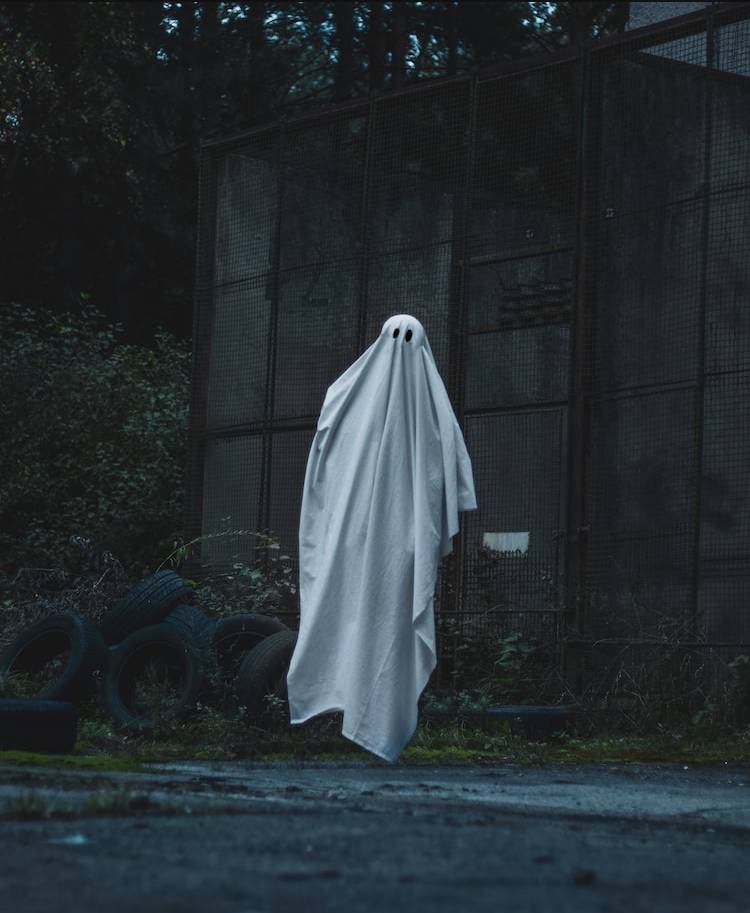
Necrophobia – fear of anything to do with death

For example, coffins, graveyards, bones, and corpses etc. Unfortunately, if your phobia is triggered by representations of death then Halloween is definitely a difficult time for you.

This phobia can also be triggered by a traumatic experience i.e. attending the funeral of your grandparents or the pain of bereavement.

Lachanophobia – fear of vegetables

Having a carved-out pumpkin is a Halloween essential. But it’s not the carved-out face that creates the fear for some people it’s the vegetables themselves.

The cause of this fear normally stems from childhood experiences of being forced to eat vegetables and being repulsed by them or even feeling sick from them.  

Maskaphobia – fear of masks or costumes

Like many other fears, this can be created by a past negative event i.e. been scared as a child by someone in a costume.

It can also come from a fear of the unknown, i.e. not being able to see a person’s real face. Seeing somebody with a fixed unchanging expression can also create a phobia of masks. Halloween costumes are often made to be scary, so it’s no surprise that people can be frightened by them and that this fear can stay with them in later life.

Nyctophobia – fear of the dark

While this one is more common amongst children (most children grow out of it as they get older), there are still many adults affected by a fear of the dark.

This fear can be created from not being able to see what’s in the shadows or not knowing how to find your way out if you get scared or trapped. It can also come from our primitive brain that tells us that we need to avoid predators in the night.

Horror movies also like to use the darkness to create fear, and this just reinforces the fear.

Hemophobia – fear of blood

Having a fear of blood is quite common; it’s linked to our fear of pain, injury or death.  This phobia can be strong if you had an injury in the past or watched somebody else go through the pain. It can also be created from watching horror or crime movies as a child.

HOW TO OVERCOME YOUR FEARS
The good news is that most phobias can be addressed; in the majority of cases they can be removed completely. Detailed processes for dealing with numerous phobias are in my new book, “Face Your Fears”, but here is a brief look at a seven-stage process I call the Integrated Change System.

1. Recognise what you’re really afraid of

Identifying not just the surface-level fear but also the deeper fears it represents is crucial. Is it a fear of harm, a loss of control, a past traumatic event or something else?

2. Relax the conscious mind

Achieving a state of relaxation allows us to work with fears more effectively. The “4-7-8 Breathing Technique” involves inhaling quietly through the nose for four seconds, holding the breath for seven seconds, and exhaling forcefully through the mouth for eight seconds. Repeated three to four times, this acts as a natural tranquiliser for the nervous system. 

3. Reward for your fear

Phobias can serve hidden purposes – a secondary gain. One way to find this is to ask:

“Does this fear keep me safe from situations I perceive as dangerous?”

“Do I receive comfort or attention because of this fear?”

“What might I lose if this fear were to disappear now?”

4. Recipe

Everything we do, including phobias, operates according to a subconscious ‘recipe’ – a combination of thoughts, behaviours, and feelings that reinforce, in this case, the fear. Clarity about our recipe for fear makes it easier to change it. A highly effective technique involves changing the internal representation of the fear.

Imagine, say, the spider that triggers your phobia. In your mind’s eye, shrink that image, make it lose its colour, and let it play backward like a film reel running in reverse. This process helps in diminishing the image’s emotional impact. If the bark is a trigger, imagine that sound becoming like a cartoon character.
5. Release the past

Finding the first event and changing the mind’s link to fear can have an effect on how somebody will feel about that fear in the future.

One way to release the past is through tapping. Begin by clearly identifying the fear or specific event related to your phobia and hold this memory in your mind.

Start by tapping on the karate chop point (the outer edge of your hand) with the fingertips of the other hand. As you tap, verbalise your fear and your acceptance of yourself despite this fear.

Proceed to tap lightly but firmly on a sequence of points: eyebrow, side of the eye, under the eye, under the nose, the chin, the collarbone, under the arm, and top of the head. Tapping each point about seven times, briefly state your fear to maintain focus on the issue.

After a few rounds of tapping, begin to introduce a positive reframing of your fear. For instance, “I am open to feeling safe around snakes, for example.

6. Recondition your emotions

Our responses to any fear-inducing stimuli are learned behaviours. These can be unlearned or modified with an exercise known as Emotional Anchoring. Decide on the positive feeling you want instead of fear, and select a memory where you felt this positive emotion strongly. While immersed in this memory, do a simple physical gesture, like pressing your thumb and forefinger together. Repeat with other positive memories. Your chosen physical gesture becomes your anchor – the anchor takes you straight to a positive feeling.

It’s a physical action tied to your positive emotion, creating a new pathway in the brain. Every time you use your anchor and feel that positive emotion, you weaken the old fear response and strengthen the new, positive one.

7. Realise a powerful future

Part of your fear will be “what ifs”. For example, what if it gets dark and I canlt see anything?

We tackle “what ifs” by Script Flipping. Write down as many “what ifs” as you can, then replace each of them with a positive statement or question. For example, what if I can still see OK because of streetlights and the moon?

Take your new statements and questions and visualise them, pairing them with affirmations that reinforce your new narrative – perhaps “I am capable of feeling calm and in control when it’s dark.”

www.christopherpauljones.com
The Shaving is only part of the ritual – 6 of the best Post Shave Moisturisers

For pretty much most men, Shaving involves rituals, that sometimes we are not even aware of. Think about it, our first experience of shaving will have been watching our Dad, older brother, Uncle or Grandad Shaving in the mirror, asking questions including, “what are you doing?” “why are you doing that?” And “why doesn’t mummy have to shave?”

A relatively new element to the Shaving ritual is the use of some sort of a Post Shave product. For many years our Fathers and Grandfathers would use an After Shave, universally, resulting in that sharp intake of breathe (think Kevin in Home Alone), which undoubtedly was effective at doing its job, but due to the high levels of alcohol in these products, didn’t do your skin any favours. Even now, whenever I catch the unmistakable  aroma of Old Spice I’m transported back to to my parent’s house and their bathroom and watching my dad Shave carefully putting a rectangular blade into his metal shaver and then splashing that clean, crisp scent of Old Spice over his face.

In more recent years we’ve moved away from After Shaves to Moisturisers, less harsh and much more kinder to our skin. Today we round up 6 of the best Post Shave Moisturisers around today.

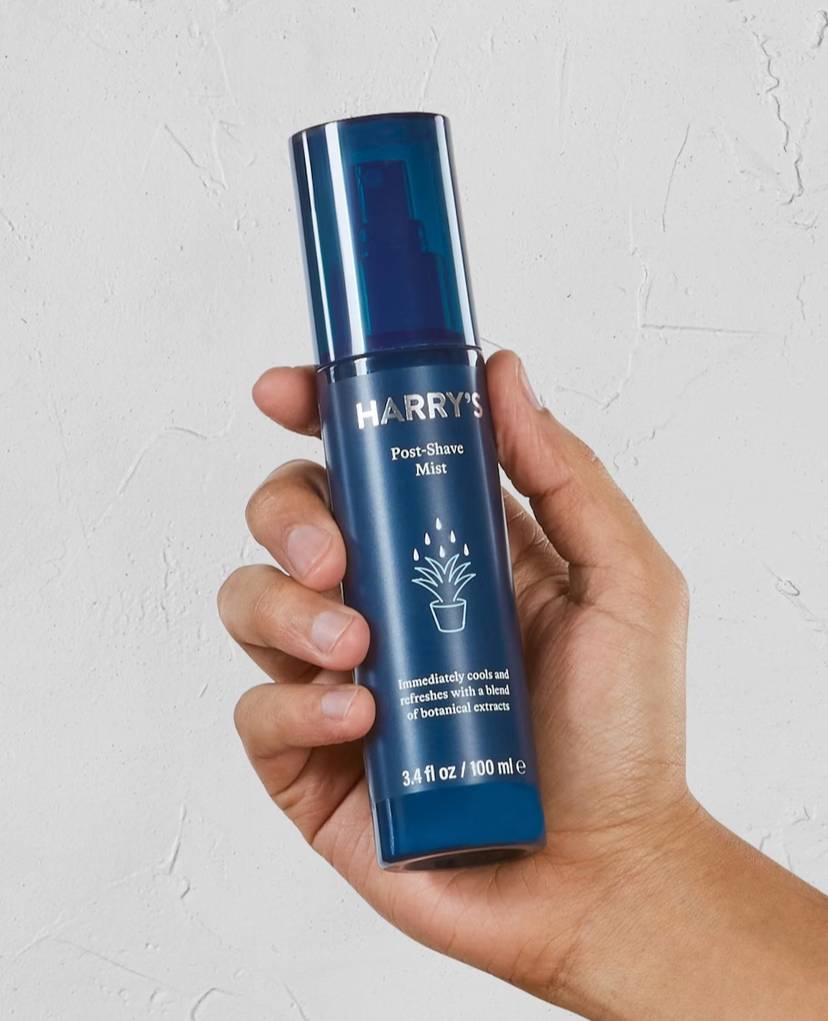
Relatively, the new kid on the Shaving block is Harry’s Post-Shave Mist. A great product for guys who prefer a light and soft application, your skin will thank you after your shave. The formula is alcohol-free, which means no stinging sensation, just a calming and soothing experience.

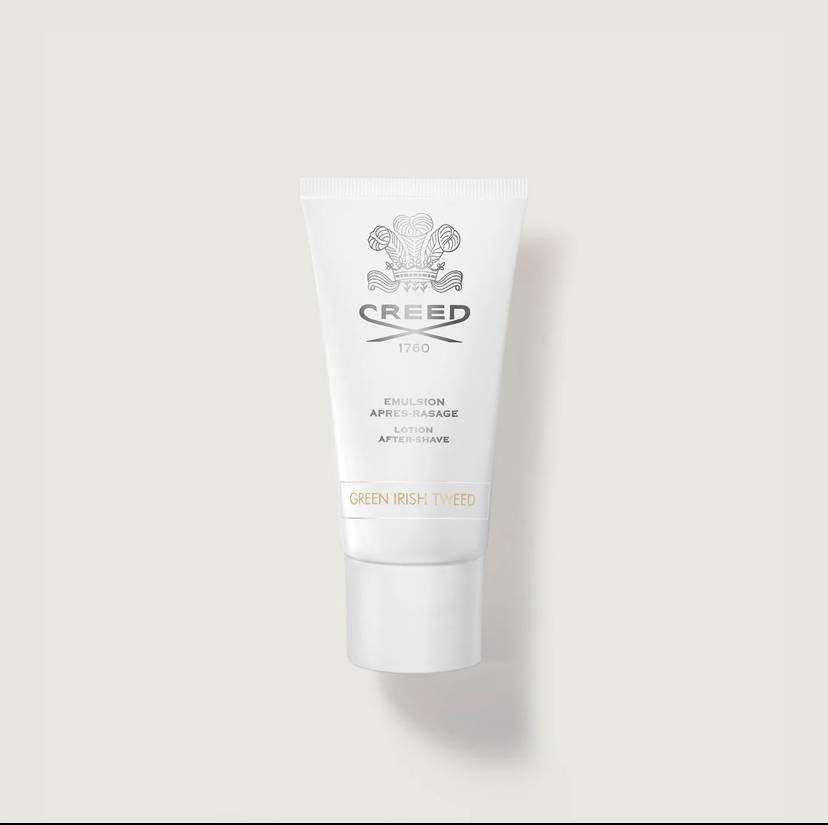
Add a little luxury to your life with this classic, as the old adage tells us, never goes out of style. Like a perfectly tailored suit, Creed’s Green Irish Tweed has been and continues to be worn by confident men at the peak of their field. Evoking the lush greenery of the Emerald Isle: cut grass, spring meadows, summer wild flowers and herbs warmed by a gentle sea breeze and of course a little drop of water like rain is involved.

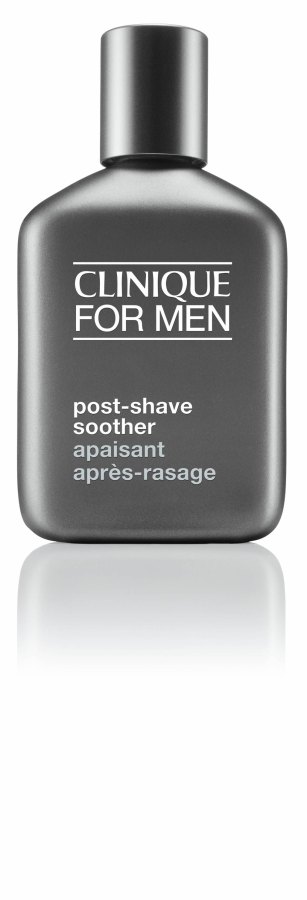
This has to win Editor’s choice, eagled eyed followers of the blog, will know how high in regard, I hold this product. Clinique for Men’s Post-Shave Soother, really is a breakthrough post-shave formula containing a combination of licorice and plant extracts that leave facial hair looking finer and softer. With continued use, shaving will be quicker and more comfortable as razor burn caused by daily friction is reduced. Additional ingredients provide exfoliation and anti-irritating benefits virtually eliminating bumps and ingrown hairs, as well as helping to encourage the healing of minor nicks and cuts.

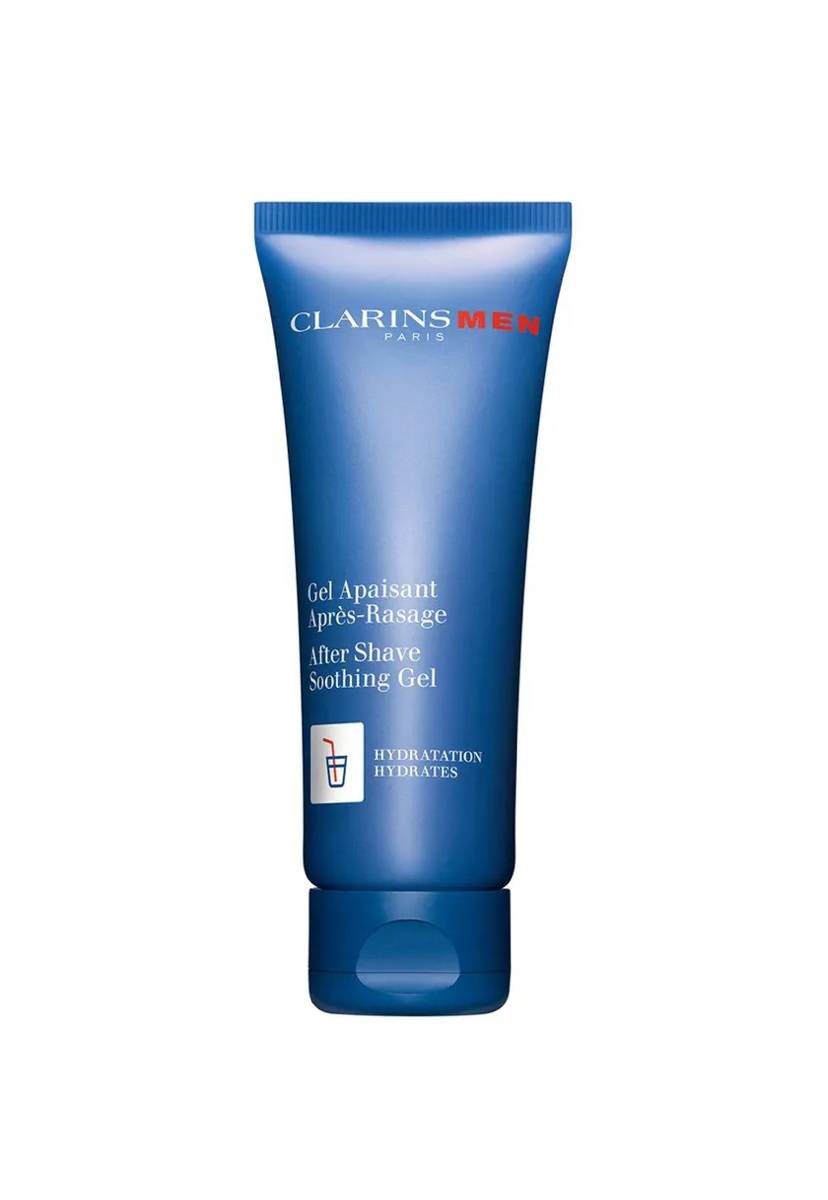
Clarins Men Post-Shave Soother offers a calming, comforting, oil-free post-shave balm with skin repairing and moisturising properties and a light, fresh, clean fragrance. A great choice for normal to sensitive skin prone to shaving-related redness and irritation.
Containing Alpine Sea Holly and Centella Asiatica plant extracts intensively soothe and repair. Shea Butter, Marula and Avocado oils moisturise and restore suppleness. A patented complex of Bison Grass, Chinese Ginger and Purslane plant extracts energise and soothe. Clarins e3p protects skin from the irritant effects of environmental pollution.

Ohhhh TOM FORD FOR MEN OIL-FREE DAILY MOISTURIZER is a hydrating and conditioning moisturiser. This fast-absorbing and skin-mattifying moisturiser uses the Tom Ford Skin Calming and Infusing Complexes with a combination of luxurious butters to hydrate skin, reverse dullness and help reduce the look of fine lines and pores. Skin is left feeling toned, polished and bright with vibrant energy, what more would you expect from Tom Ford ?

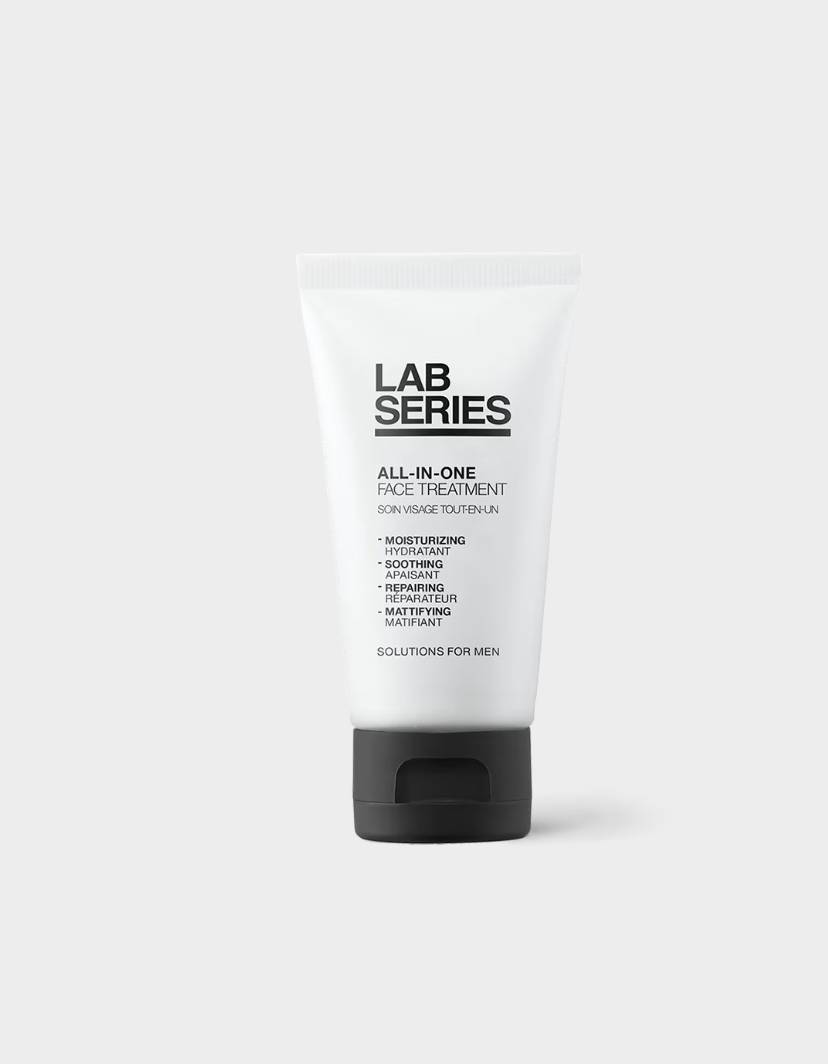
Last but in no way, shape or form least is Lab Series 3-IN-1 POST SHAVE​​​​​​​. A Breakthrough gel treatment formula works to treat razor bumps, prevent ingrown hairs and refine beard texture. Absorbs quickly to leave skin soothed, refreshed and comfortable.

Happy Himalayan Birthday – The North Face Unveils 30th Anniversary-Edition HMLYN Parka

Founded in 1966 with the goal of preparing outdoor athletes for the rigors of their next adventure. The North Face, today,  are the world’s leading outdoor brand, creating athlete-tested, expedition-proven products that help people explore and test the limits of human potential. All the while protecting the outdoor playgrounds and minimize their impact on the planet through programs that encourage sustainability.

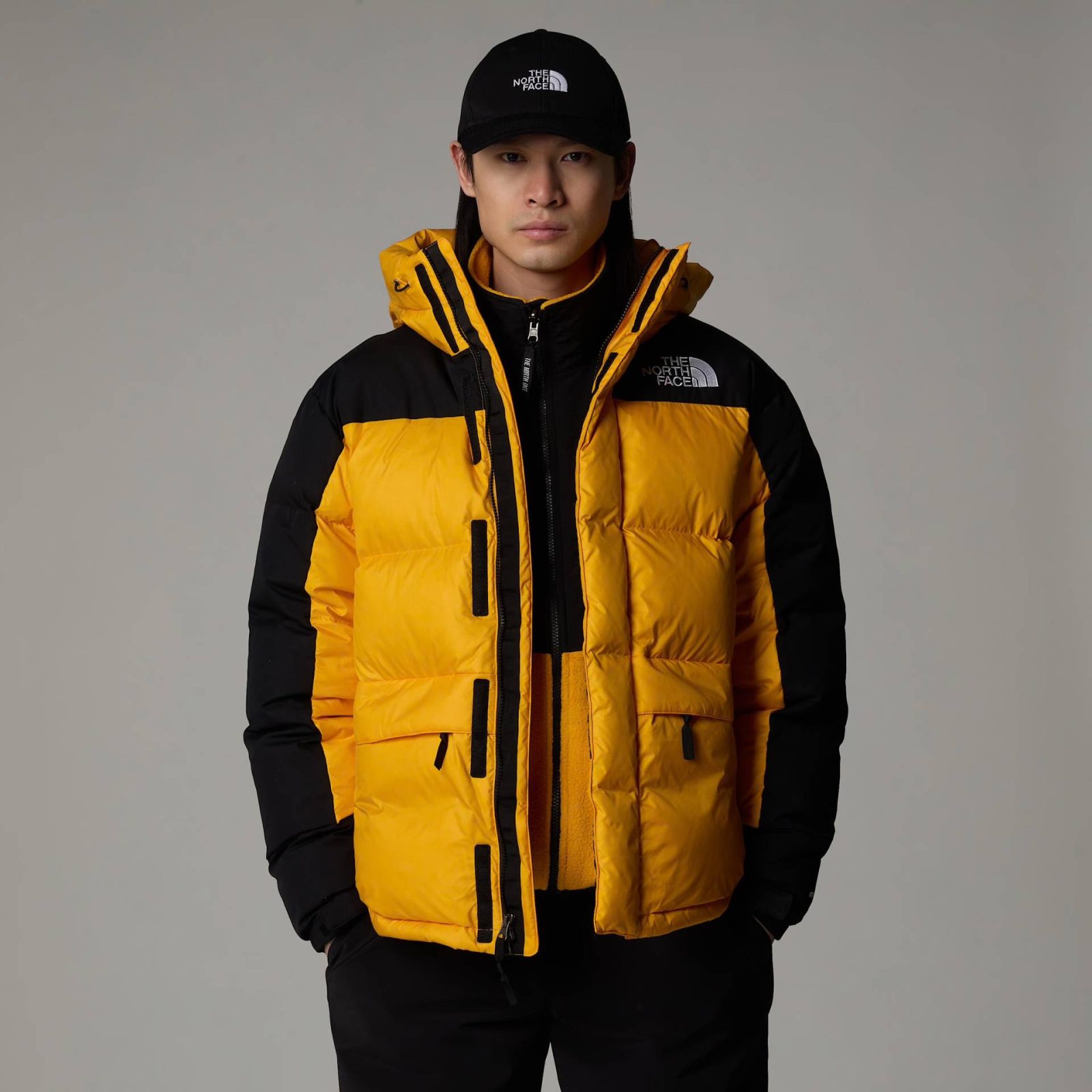
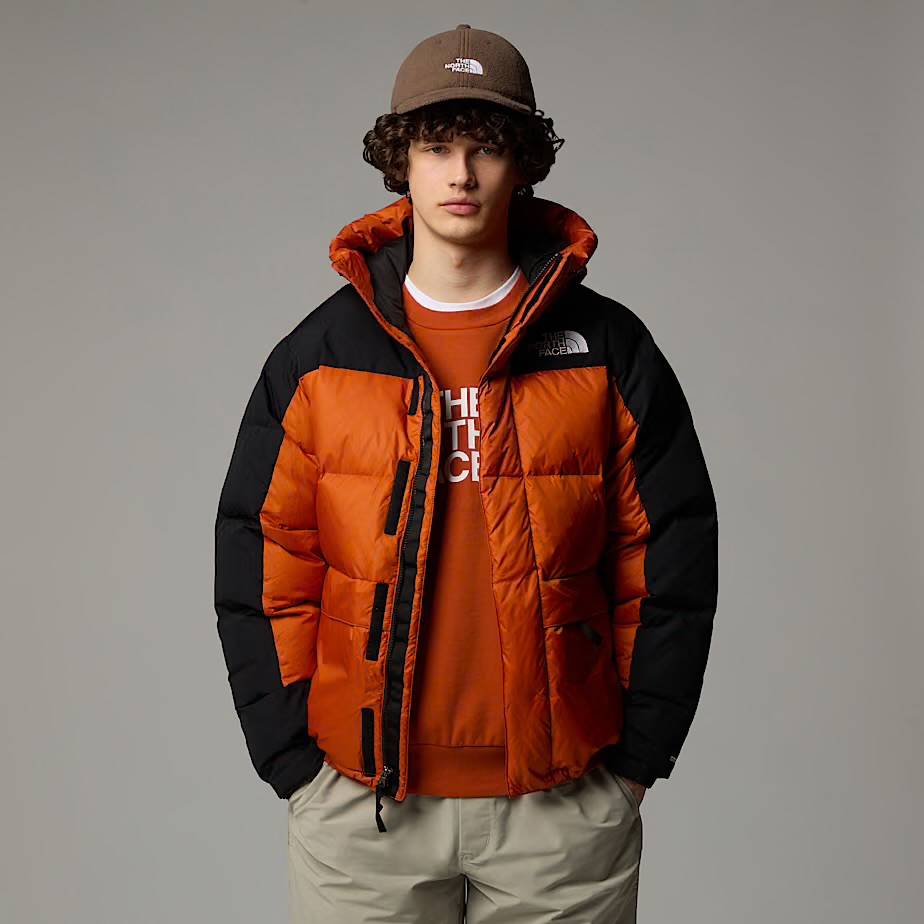
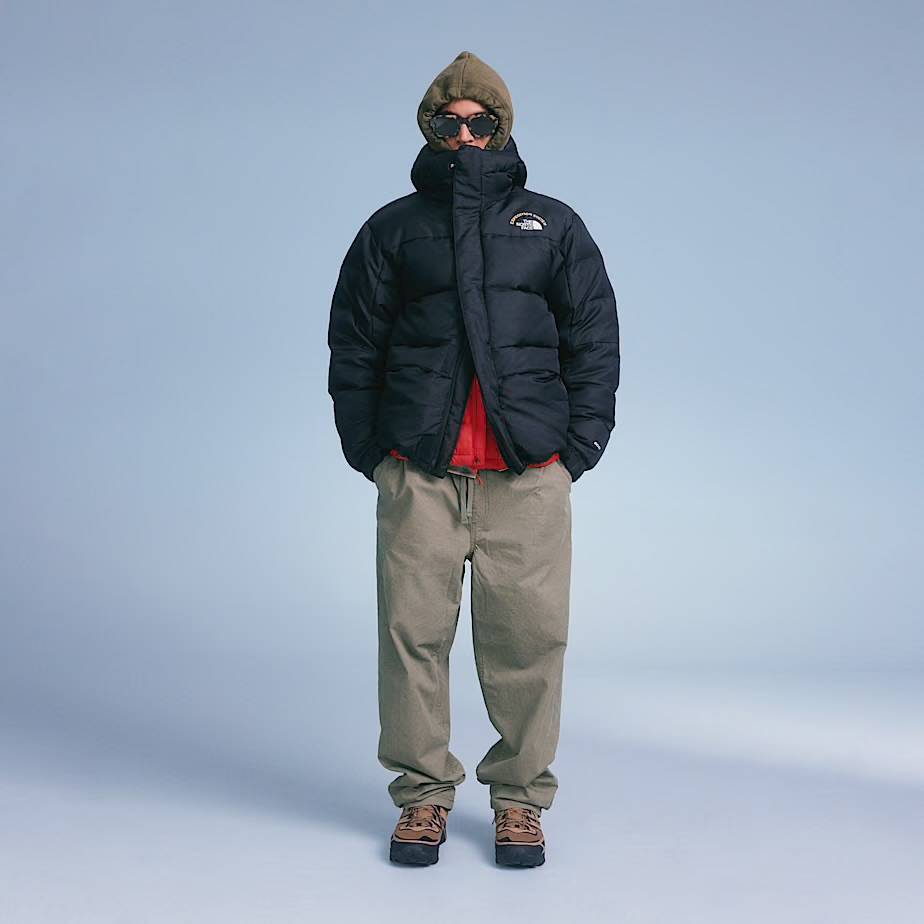
Recently, the brand unveiled the 30thanniversary edition of the icon, the Himalayan Parka. The HMLYN Parka is an elevated form of what is arguably the brand’s most recognisable piece from both a technical and design lens.

Celebrating its 30-year legacy of grit and innovation. The parka sparks a new spirit of exploration through a modern approach tied together by style and culture.

Originally introduced in 1994, the Himalayan Parka was designed for extreme conditions and for those who fearlessly confronted them. As part of The North Face’s Expedition System, the parka has been reimagined for everyday use, building upon a legacy of grit and innovation, 30 years in the making.

This year, the HMLYN Parka joins the Himalayan Parka family, redesigned and retooled to withstand the coldest days, no matter your destination. The icon has been updated with modern design and features, transforming it from a high alpine piece to an everyday essential.

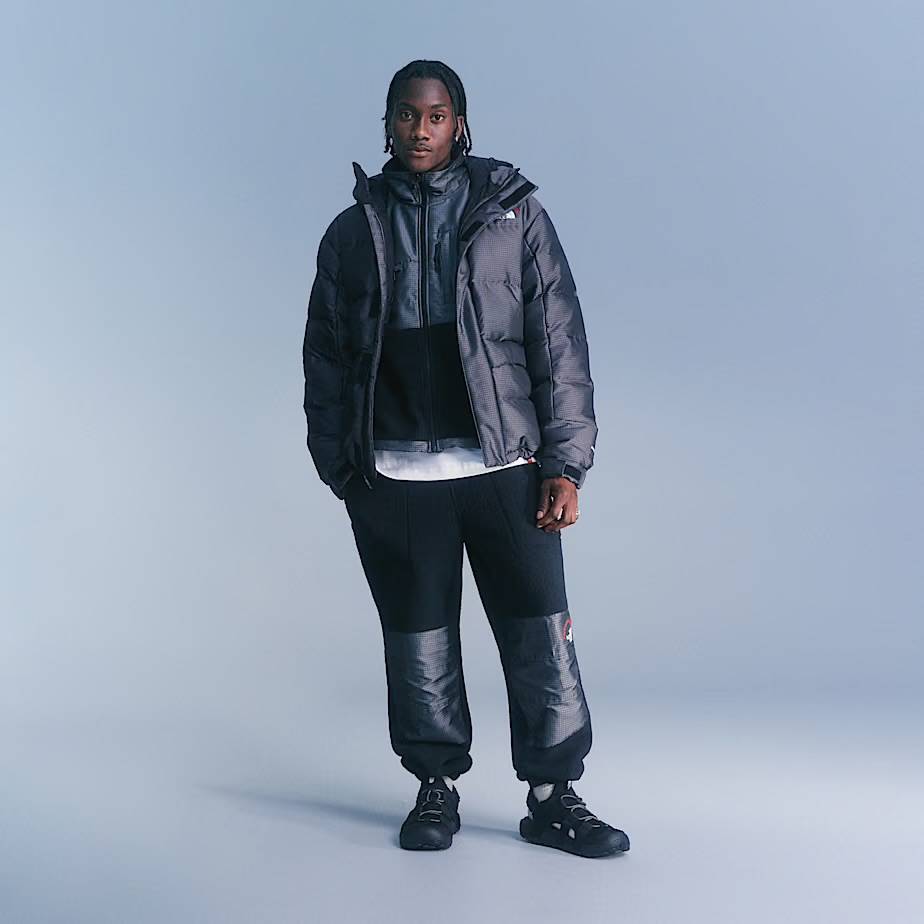
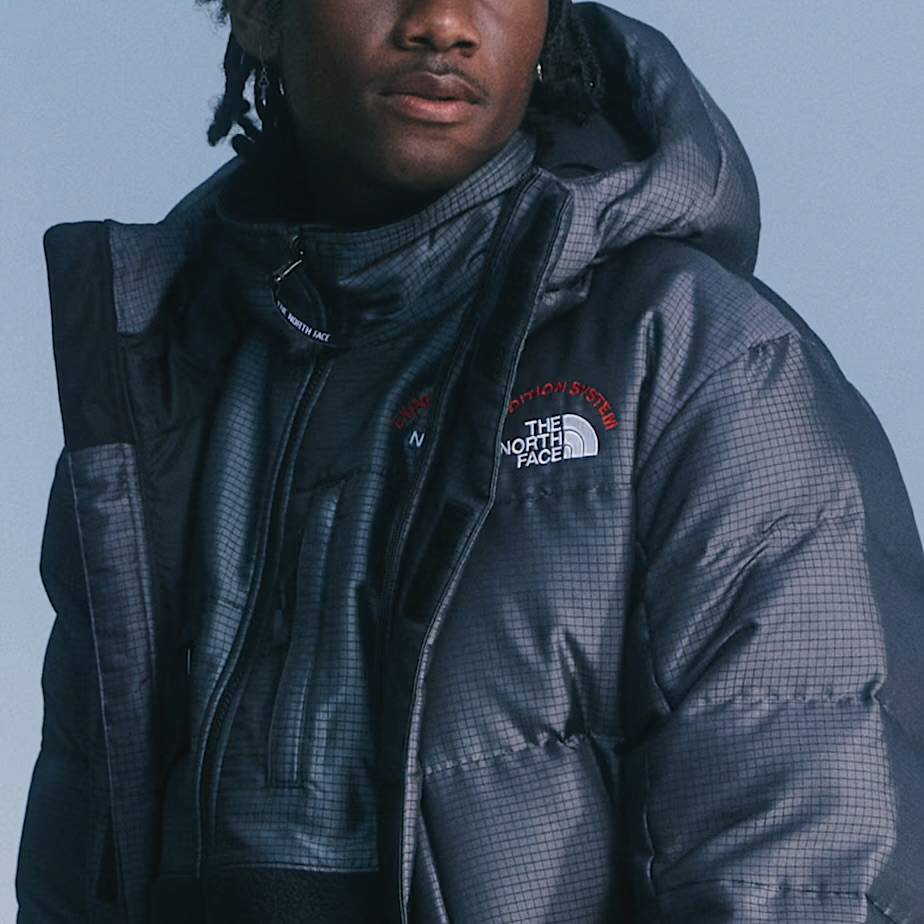
The parka comes with a waxed ripstop fabrication that gives it depth of texture and a modern construction that offers improved comfort and features commemorative anniversary branding and labels. With cord locks at the hem, the parka can be fine tuned to fit any style.

Two British talent front the campaign, bringing their own voice to We Play Different. Deba stands for many social rights and is a blend of lifestyle content with a love of the outdoors. Artist Corbin Shawuses his upbringing in Sheffield to investigate masculinity and how it was defined to him growing up. He reimagines masculine ‘icons’ and objects and challenges stigmas and stereotypes.  

The jacket takes the original parka design from 30 years ago, refreshing the technology and key design elements. It’s made with a nylon ripstop fabric, wind-blocking technology and packs 550-fill of responsibly-sourced down provides insulating warmth.

Go with the Reflo – Reflo Golf Apparel

Reflo is a performancewear brand on a mission to change the sportswear game, for good ! To become the most sustainable sportswear brand in the world ! Reflo specialises in sustainable, technical sportswear for partners, teams and athletes at all levels.

Reflo prioritises the sourcing, design and development of recycled and circular sportswear solutions, as well as sustainable packaging, delivery services, waste management and wider environmental initiatives. 

For Reflo, sustainability is a continuous journey. They are always looking for new ways to be innovative when it comes to sustainability, performance, quality and design, and they won’t stop pushing the boundaries of what’s possible

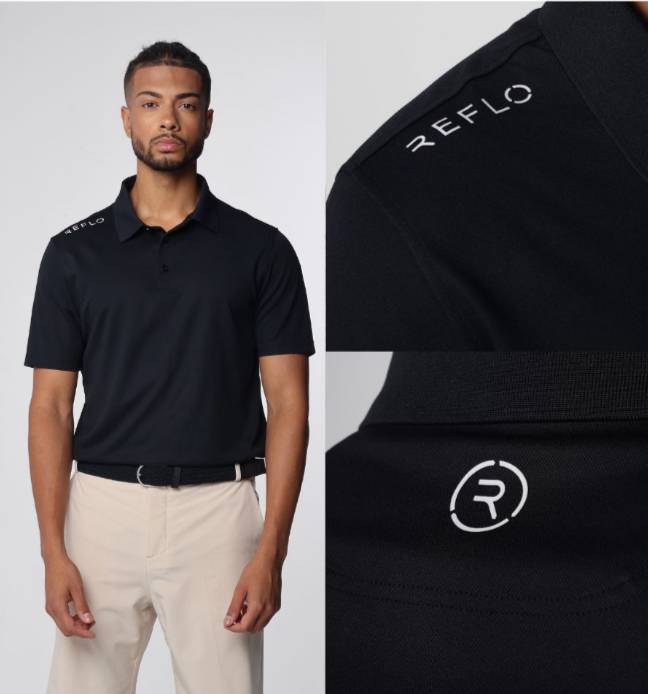
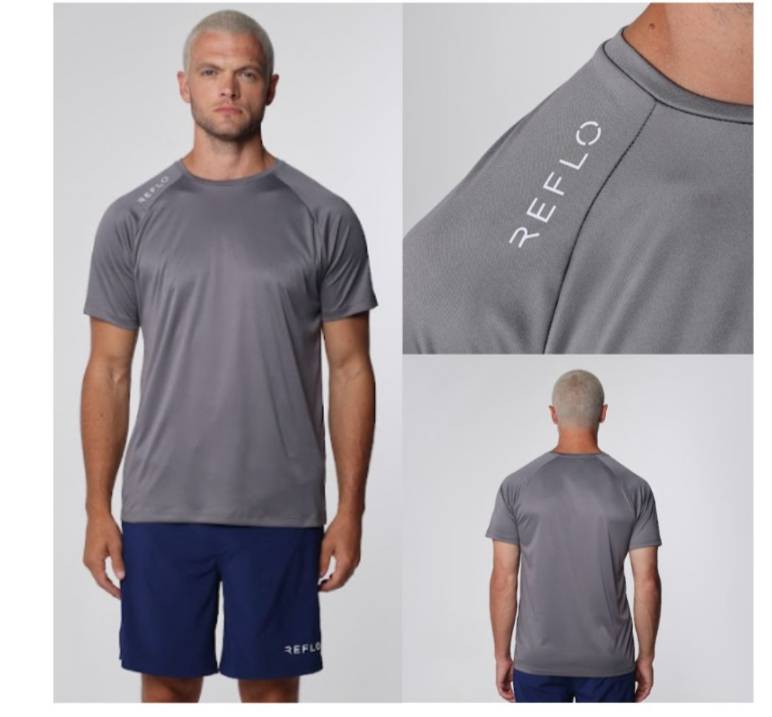
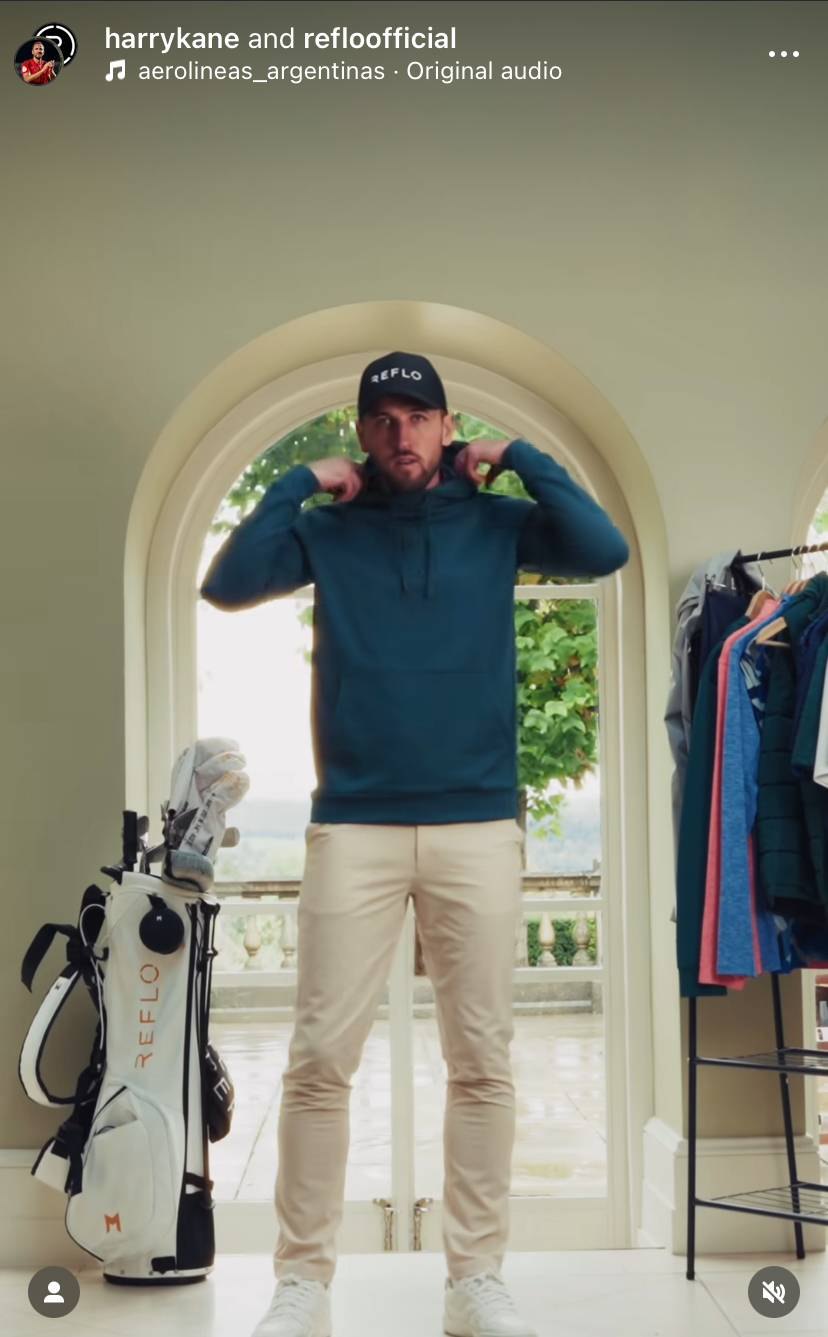
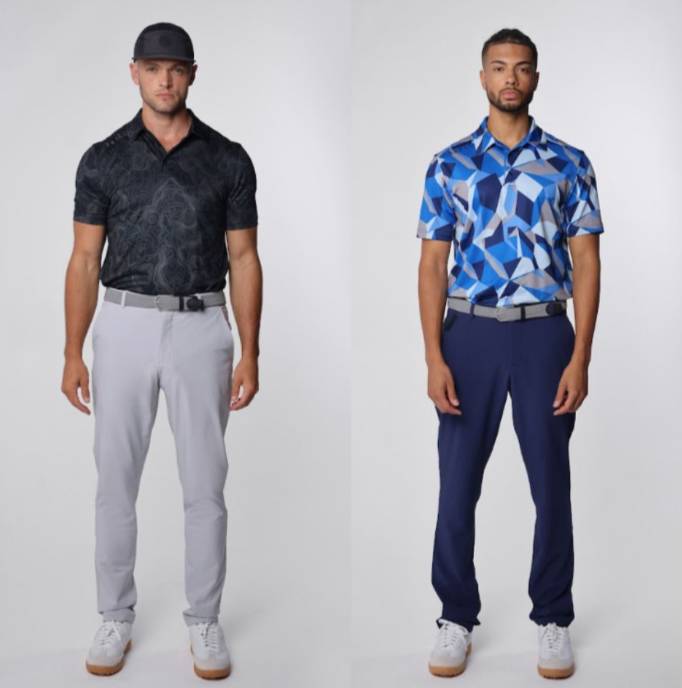
Reflo who have dropped their AW 24 golf range with a familiar face taking centre stage in the form of England Captain Harry Kane, who just so happens to be, not only a brand ambassador, but an investor in the brand too. 

Harry’s been busy recently, what with welcoming the new England football manager, Thomas Tuchel, he was able to find time for a round and put the new range through its paces. As a very good golfer himself, playing off a handicap of 3, Harry Kane has been busy supporting the new range with Reflo who are committed to being the world’s most sustainable sportswear brand. A video posted to his Instagram this morning, already liked by thousands, shows off the new range that can also be seen below. 

https://www.instagram.com/p/DBQZhb_uhMX/ 

The sustainable new range can be seen online includes a range of new polos, hoodies, hats, trousers, jackets and gilets that are made as part of a Reloop process – a circular apparel solution using recycled garments by ensuring 100% of the product is made from one form of recycled material to provide a solution to the overwhelming amount of waste that takes place in the apparel industry.

Start routing at the back of your wardrobe Indie Sleaze is back

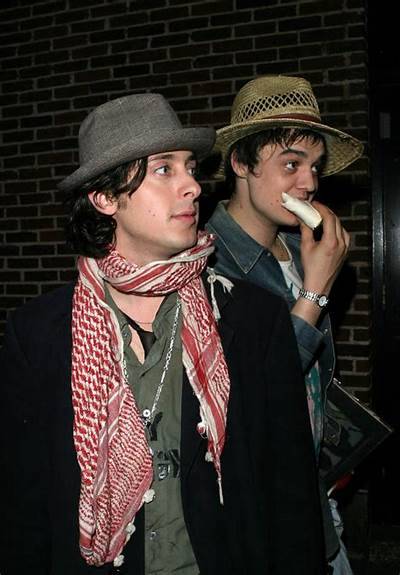
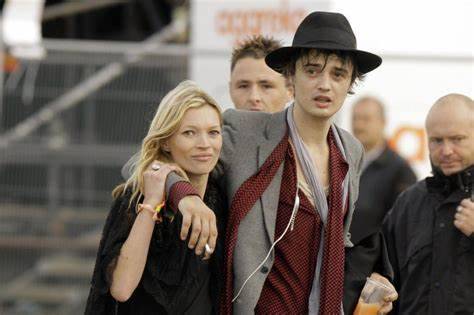
It’s official: Indie Sleaze is back. If you’ve been feeling like edge, grit, and carefree coolness has been missing in your wardrobe lately, this style is for you.
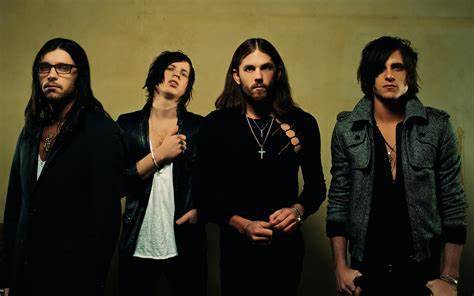
This unpolished aesthetic-born from the late 2000s music scene-is all about returning to the rebellious style of the pre-filtered internet era. Think of it as the forerunner of the “Brat Summer” aesthetic we saw earlier this year.

Nick Drewe, the trend expert at Wethrift, commented on the resurgence of this look and how you can incorporate a little Indie Sleaze into your life this autumn.

What is Indie Sleaze? 

“At its core, Indie Sleaze is about rejecting the polished, filtered world we live in today.

“It’s a style that taps into a nostalgia for the simpler days of grainy photos, Myspace, and fashion that was thrown together rather than planned for weeks.

“The beauty of this style is that you don’t even need to buy anything new to achieve this look. Since Indie Sleaze places a strong emphasis on sustainability, we actually encourage thrifting, mismatching layers, and pulling pieces from the back of your wardrobe.

“This trend is all about expressing your individuality and letting your personality shine through.

“It’s a stark contrast from the polished looks that dominate social media today, and a trend I predict will eventually overtake the classic ‘influencer’ aesthetic.”

Indie Sleaze is rooted in the early 2000s music scene, drawing inspiration from the underground fashion and nightlife that were prominent at the time.

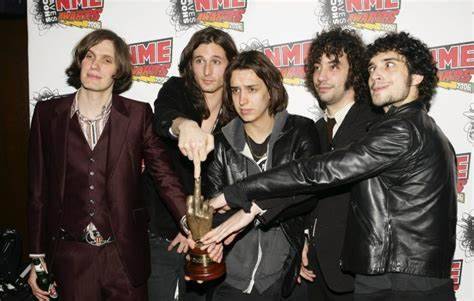
“The style was a staple amongst fans of the likes of The Strokes, Crystal Castles, and The Cure. It was derived from the indie and punk movements of the time that celebrated nonconformity.

This era of fashion was in direct opposition to the overly polished looks of mainstream Y2K pop icons like Britney Spears, Christina Aguilera, and Beyoncé.

“In the late 2000s, the Indie Sleaze crowd was the cool, anti-pop culture alternative. People who embraced this look weren’t interested in designer labels. Instead, they gravitated towards vintage finds and style choices that defied the fashion norms of that era.