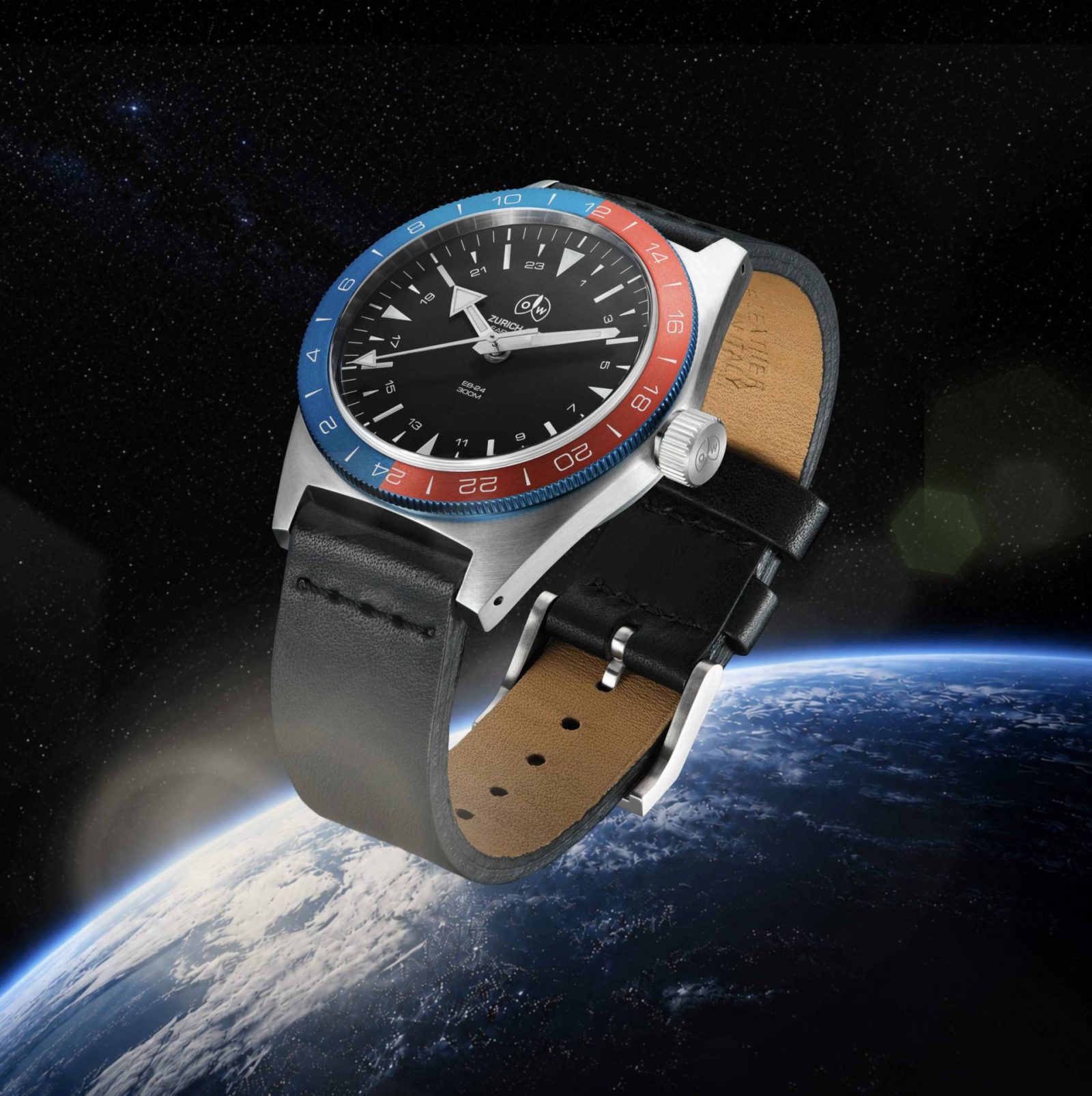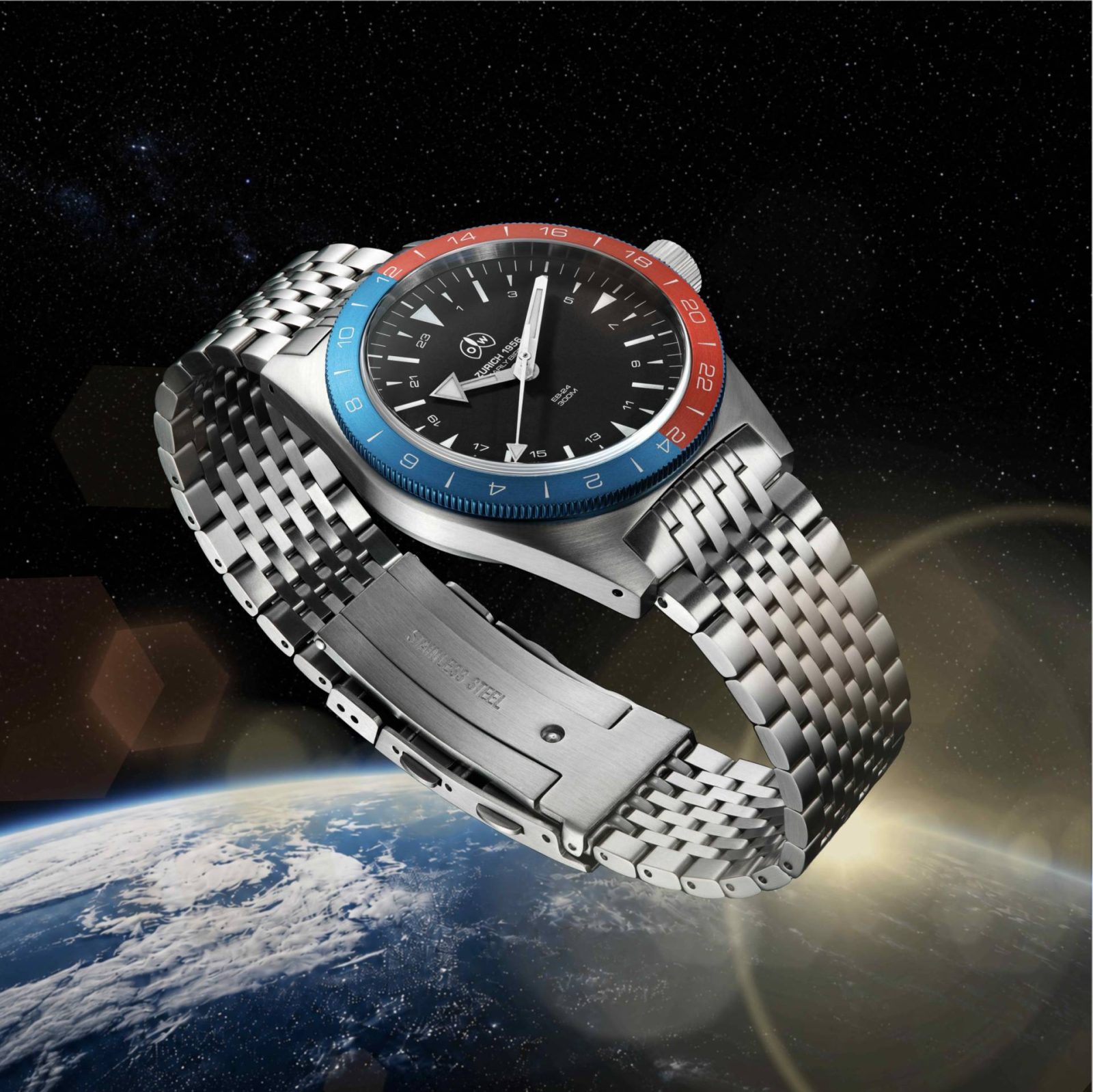
Some watches are inspired by adventure. Others by aviation, diving or motorsport. Very few are inspired by the moment humanity changed the way it communicated forever. That’s precisely the story behind the Ollech & Wajs Early Bird, one of the Swiss watchmaker’s rarest and most intriguing timepieces, now returning to mark the brand’s 70th anniversary.
For most watch enthusiasts, the appeal of a vintage reissue lies in nostalgia. But the Early Bird isn’t simply revisiting a design from the past. It’s celebrating a technological breakthrough that transformed everyday life long before smartphones, Wi-Fi or video calls became part of our vocabulary.
 To understand the watch, you first need to understand the satellite.
In 1965, Intelsat I, better known as Early Bird, became the world’s first commercial geosynchronous communications satellite. Suspended high above the Earth, it dramatically altered the relationship between Europe and North America, allowing near-instantaneous communication across the Atlantic.
For the first time, continents felt genuinely connected.
The satellite carried live television broadcasts that would become part of history, from the splashdown of Gemini 6 and the Apollo 11 Moon landing to The Beatles performing All You Need Is Love for an estimated global audience of 700 million people.
Before Early Bird, the world relied on cables stretching beneath the ocean.
 After Early Bird, it communicated through space.
It’s difficult to overstate how revolutionary that was.
Albert Wajs recognised the significance immediately.
Rather than simply admire the achievement, he chose to commemorate it with a watch.
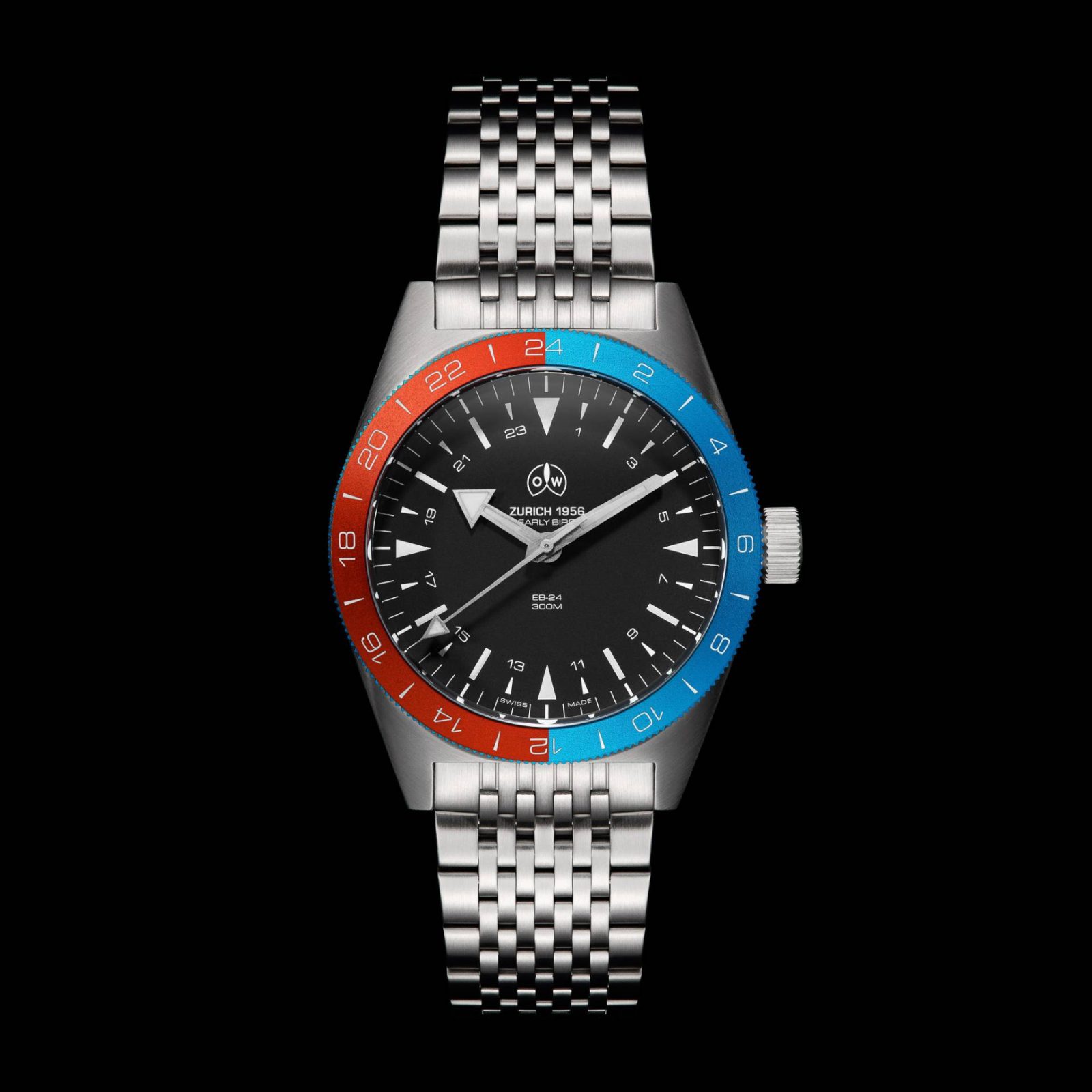
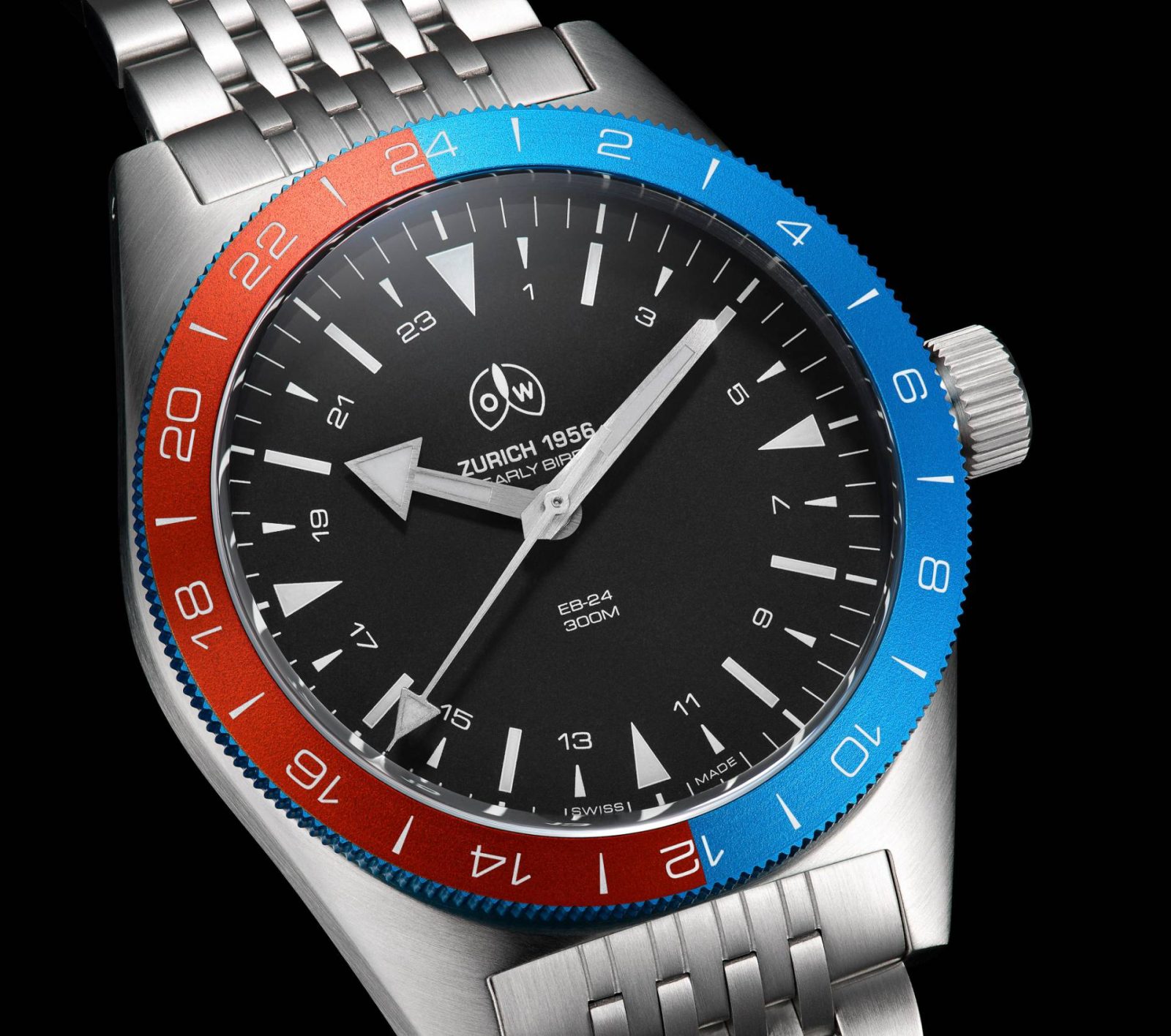
Released in the same year as the satellite’s launch, the original Early Bird was unlike almost anything else on the market. Its distinctive 24-hour dial mirrored the satellite’s orbit around the Earth, while its striking blue and red bezel echoed the colours of the spacecraft itself.
Despite the space-age inspiration, the watch wasn’t designed for astronauts.
It was built for professionals much closer to home.
Military pilots, radio operators and those working across multiple time zones found the unusual 24-hour display invaluable, allowing them to read military time instantly while keeping track of operations around the clock.
Most buyers ordered theirs directly from Zurich after spotting small black-and-white advertisements in military publications such as Army Times. When the watches arrived, owners were pleasantly surprised to discover the colourful bezel that the monochrome adverts had completely failed to capture.
Today, that original Early Bird has become one of the rarest pieces ever to carry the Ollech & Wajs name, with fewer than 500 examples believed to have been produced.
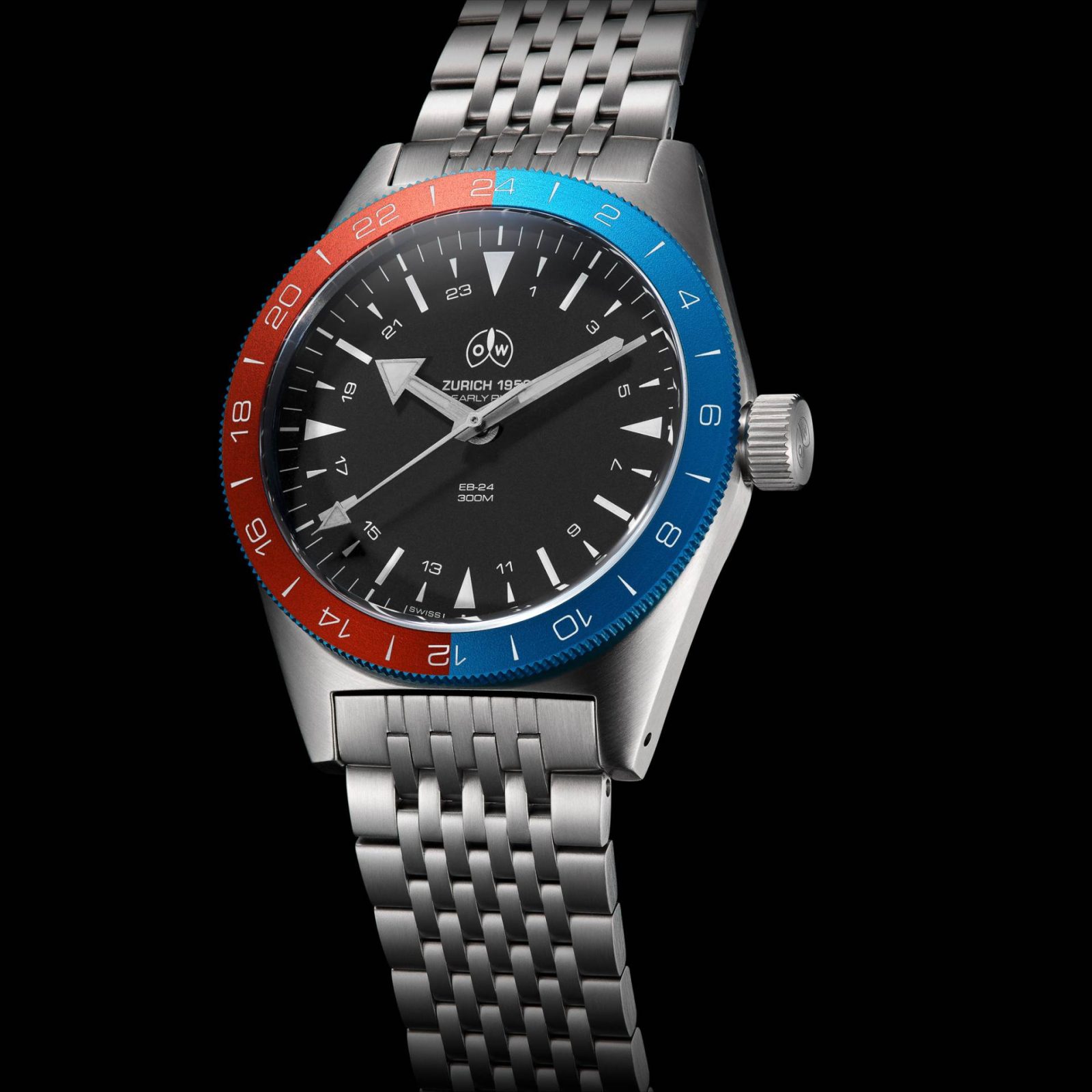 Perhaps fittingly, it also remained Albert Wajs’s personal favourite.
Now, to celebrate the company’s platinum anniversary, the watch returns as the EB-24, faithfully preserving the spirit of the original while benefiting from modern mechanical engineering.
Unlike a conventional watch, its automatic 24-hour movement completes just one full rotation each day, allowing wearers to see the entire day’s cycle at a glance while simultaneously tracking a second time zone.
It’s a complication that feels surprisingly relevant in today’s globally connected world. Whether you’re crossing continents, managing international business or simply fascinated by traditional watchmaking, the concept remains every bit as practical as it was six decades ago.
What’s perhaps most impressive, however, isn’t the movement.
It’s the restraint.
At a time when many anniversary editions arrive weighed down with oversized cases, elaborate complications and marketing fanfare, Ollech & Wajs has instead chosen to honour one of its most significant creations by respecting exactly what made it special in the first place.
In doing so, the Early Bird becomes more than another heritage reissue.
It’s a reminder of a remarkable moment in history—when a satellite no larger than a family car quietly changed the way the world communicated, and a small Swiss watchmaker decided that achievement deserved to be worn on the wrist.
Seventy years on, that’s a story well worth telling.