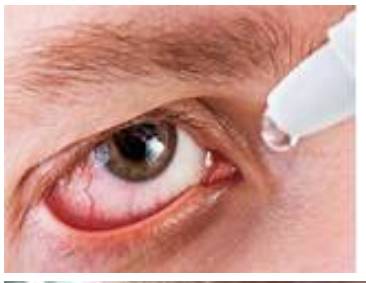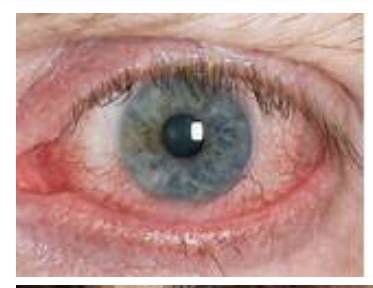
Long days in front of screens, air-conditioned offices and the natural ageing process are all contributing to a condition affecting millions of people: Dry Eye Disease.
While most of us experience occasional dry eyes after a late night or marathon work session, chronic dry eye is something entirely different. Left untreated, it can impact everything from comfort and concentration to the quality of your vision.
According to optometrist Dina Sonpal of Midland Eye, dry eye occurs when your eyes either fail to produce enough tears or when tears evaporate too quickly due to an imbalance in the tear film’s protective oils. The result is irritation, soreness and persistent discomfort.
 The Symptoms May Surprise You
Dry eye doesn’t always feel dry. In fact, watery eyes are one of the most common symptoms, as the eyes attempt to compensate for a lack of lubrication by producing excess tears.
Other signs include:
- Blurred or fluctuating vision
- Sensitivity to light
- Burning or gritty sensations
- Eye fatigue
- Redness and irritation
Many people assume these symptoms simply mean they need a stronger prescription, when the real culprit could be an unstable tear film.
Why Does It Happen?
Screen use remains one of the biggest contributors. Concentrating on laptops, tablets and smartphones reduces how often we blink, allowing tears to evaporate more quickly.
Other common triggers include:
- Ageing
- Contact lens wear
- Air conditioning and central heating
- Wind and smoke exposure
- Certain medications, including antihistamines and antidepressants
A particularly overlooked cause is Meibomian Gland Dysfunction (MGD), where tiny glands in the eyelids become blocked and fail to produce the oils needed to prevent tear evaporation. MGD is believed to be responsible for the majority of evaporative dry eye cases.
Why Diagnosis Matters
Because dry eye symptoms often overlap with other eye conditions, professional assessment is essential.
Modern dry eye clinics can evaluate tear quality, eyelid health and gland function using advanced imaging technologies, helping specialists identify the root cause rather than simply treating the symptoms.
In some cases, persistent dry eye may even be linked to underlying health conditions, including autoimmune disorders and thyroid disease.
Managing Dry Eye
The good news is that treatment options have evolved significantly in recent years.
Simple lifestyle changes can make a noticeable difference:
- Follow the 20-20-20 rule during screen use
- Use preservative-free lubricating eye drops
- Apply warm compresses to the eyelids
- Reduce direct exposure to heating and air conditioning
- Consider omega-3 supplements to support tear health
For more advanced cases, specialist treatments such as anti-inflammatory medication, punctal plugs and Intense Pulsed Light (IPL) therapy can help restore comfort and improve long-term eye health.
The Bottom Line
Dry Eye Disease is far more than a minor irritation. As our lives become increasingly screen-focused, it’s a condition that’s becoming harder to ignore.
If you’re experiencing persistent symptoms, don’t simply put up with them. A professional diagnosis can identify the underlying cause and help create a treatment plan tailored to your eyes, ensuring clearer vision and greater day-to-day comfort.