WORDS BY CAROLINE YOUNG
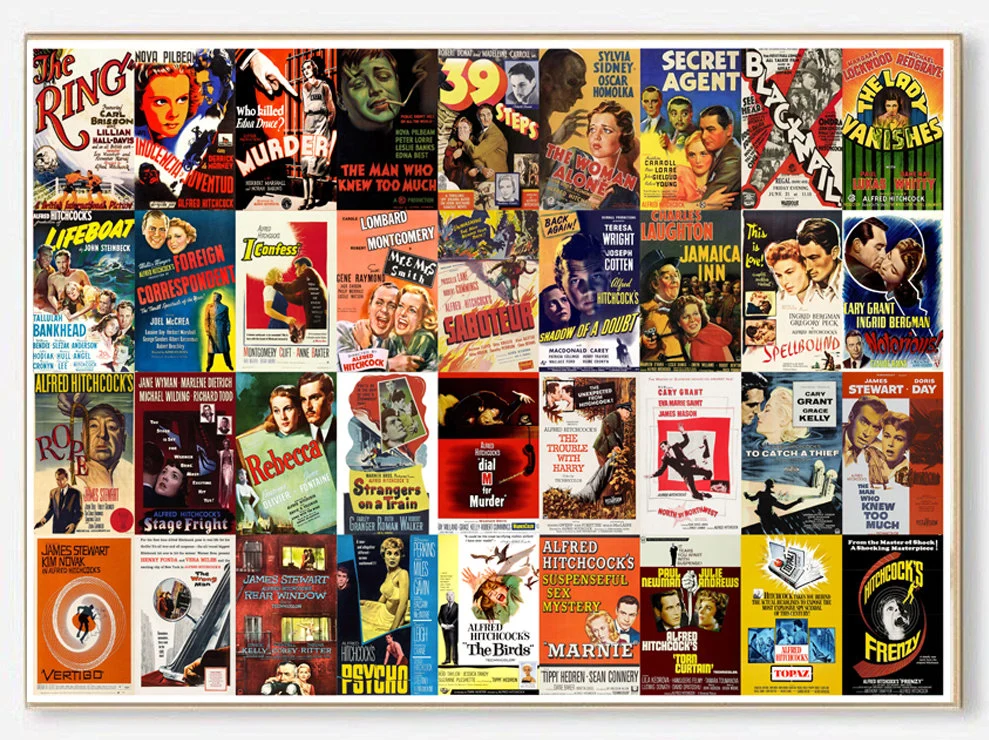 Alfred Hitchcock knew the power of a well-turned suit. Whether they were the hero or the villain, the way his leading men wore their clothing revealed a lot about their inner lives. There was also a wish-fulfillment to Hitchcock’s filmmaking as he fantasised about being assuave and debonair. “If I had been given the choice in life, I would have looked like Cary Grant on whom everything looked good,” Hitchcock once said, “and I would have indulged some fashion fantasies, a 39 Steps raincoat, tossed on, a beige cashmere cardigan thrown casually around my shoulders, or better yet, tied around my waist—if I had one.”
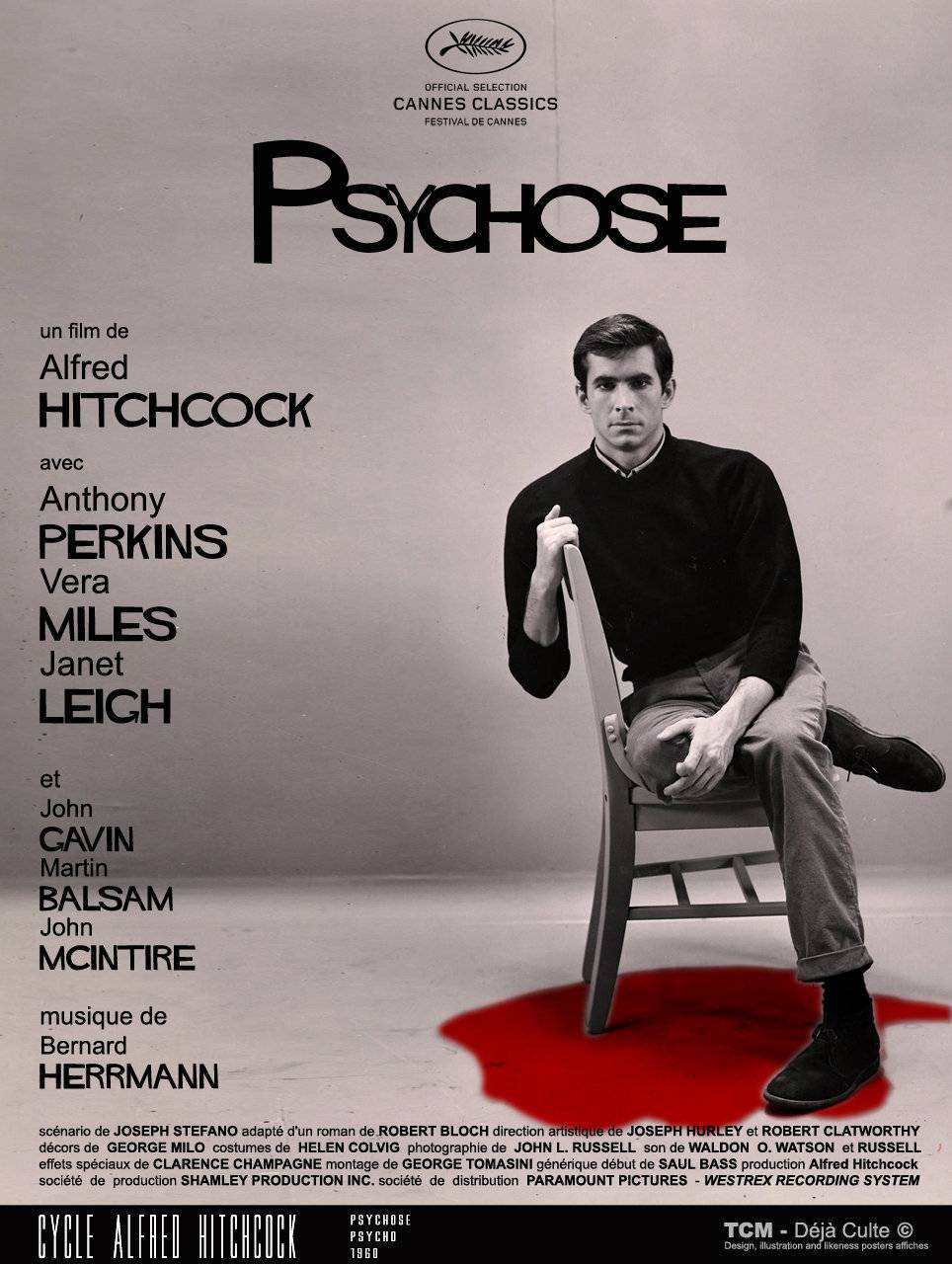 Robert Donat in The 39 Steps
Robert Donat’s character, Richard Hannay is as urbane as his camel coat. From his very first introduction during a rowdy performance at a London Music Hall, he stands out. He’s a little taller than the rest of the audience, more handsome, and when the light shines on him, we know that he’s our hero.
The Wartime Hero
After Hitchcock moved to Hollywood, he wished to make an American version of The 39 Steps, and Robert Cummings was cast as the hero on the run. In his A-2 leather bomber jacket, Cummings’ Barry Kane looks like a rebel. He’s the early incarnation of the post–Second World War GI, who struggles to find a place in society and wanders the highways in his flight jacket. Priscilla Lane tells him he has the “look of a saboteur,” when ironically the villain, Charles Tobin, has a veneer of rich respectability.
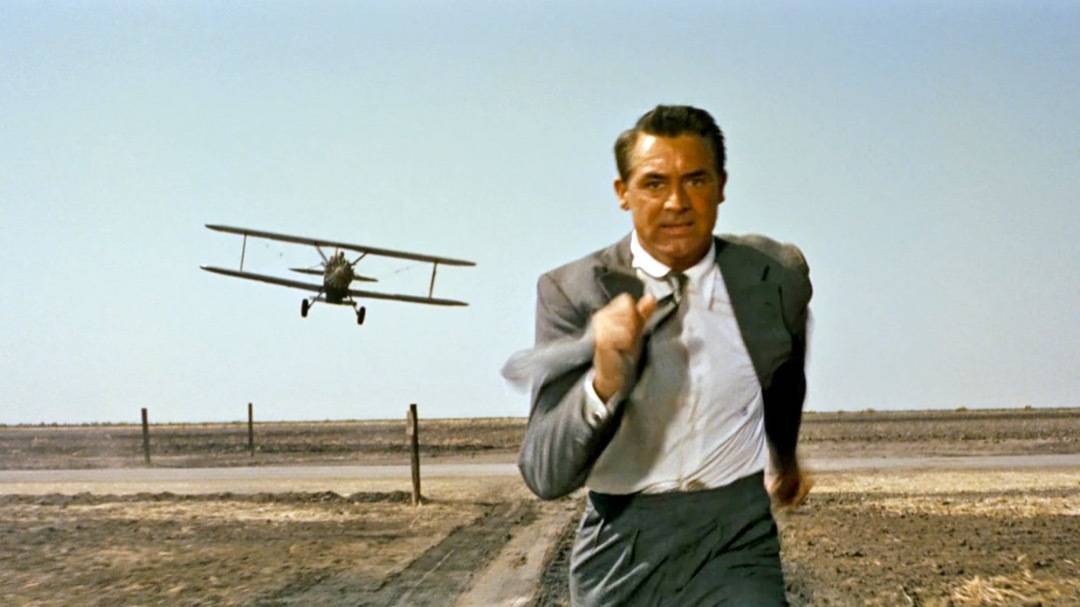 Cary Grant’s Glen check suit
There was no better example of Hitchcock’s leading man than Cary Grant, who starred in four Hitchcock films – Suspicion, Notorious, To Catch a Thief and North By Northwest. The characters he played were charming, sometimes a little ruthless or slippery, but always impeccably dressed.
In North by Northwest, Cary Grant’s Glen check suit identifies him as a Madison Avenue ad man with impeccable taste. Even James Mason’s arch criminal Phillip Vandamm is impressed with his suit. “He’s a well-tailored one, isn’t he” – not realizing they’ve misidentified him.
For the rest of the film, its wear-and-tear reflects the dangers of his journey. His suit is packed into Eva Marie Saint’s suitcase while he dons an Amtrak Red Cap uniform to disembark the train unnoticed, and it’s then coated in dust, ripped, and soiled, from coming under attack from a crop duster.
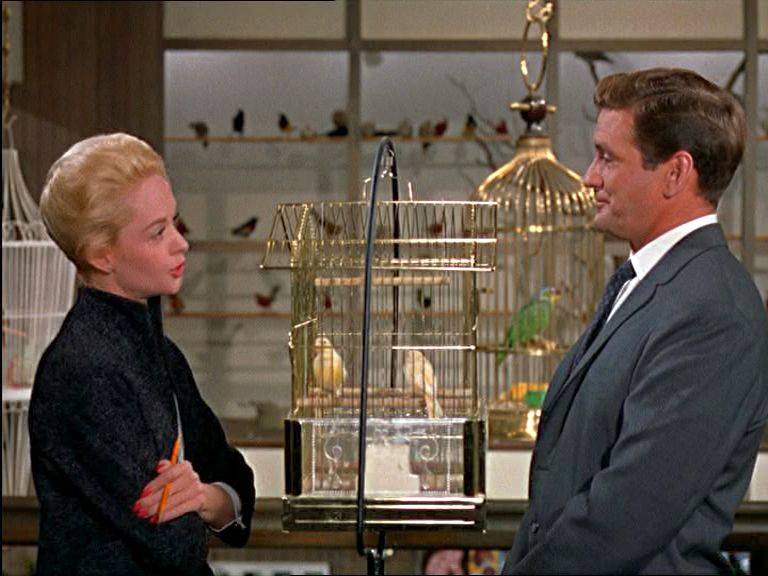 Male actors were typically responsible for providing their own wardrobe, and Cary Grant would select clothing that reflected his own signature taste. He tended toorder his suits from the London tailor Kilgour, French & Stanbury, but on this occasion his suit, and the many duplicates required due to wear and tear, was made by Beverly Hills tailor Quintino.
Vandamm’s sidekick Leonard, played by Martin Landau, also wears a suit by Quintino because Hitchcock wanted his character to be even better dressed than Grant. When Martin Landau watched the first day’s filming atChicago’s LaSalle Street Station, he was tapped on the shoulder by Cary Grant’s chauffeur, Ray Austin. “Excuse me, Mr. Grant would like to know where you got that suit … Only two people in the world make a suit like that, one’s in Beverly Hills, the other is in Hong Kong.”
The villain is a dandy
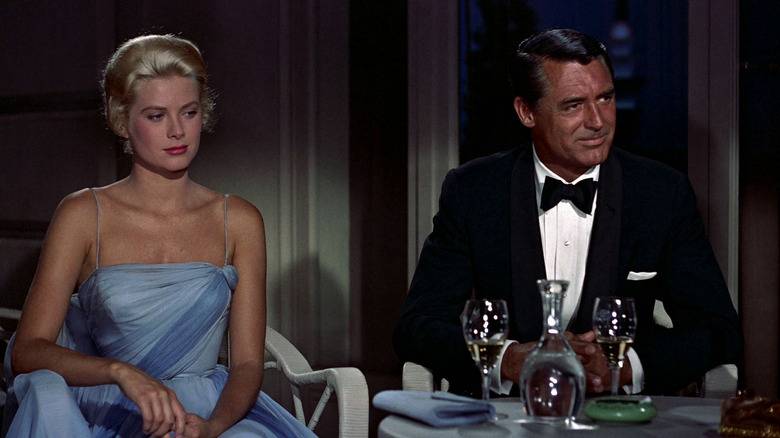 Hitchcock liked to subvert expectations in giving his villains a smooth, charming surface. From Handel Fane in Murder! to Bob Rusk in Frenzy, his killers were flashy dressers. In Shadow of a Doubt, Uncle Charlie’s pinstripe suits and Panama hats mask the underlying evilness of a misogynist who charms and then murders his victims.
The suits worn by the three male leads in Ropecommunicate their different characters. As a man who prides himself on his logic and intellect, Rupert (James Stewart) wears a smart gray herringbone tweed three–piece suit. Brandon (John Dall) wears a chic navy-blue double-breasted serge suit, while Phillip’s (Farley Granger) brown suit follows the common postwar baggy silhouette, which suggests a lack of sophistication. During the making of Spellbound, Hitchcock chastised Gregory Peck for wearing a brown suit. “One wears brown in the country, you know, but gray or navy in the city,” Hitchcock schooled him, adding, “don’t ever wear brown shoes with a blue suit!”
Strangers on a Train is also an example of how men’s costumes can make a powerful visual language. The two leads, Bruno (Robert Walker) and Farley Granger(Guy) are cast as opposites, from the opening closeups of two sets of shoes. Bruno’s black and white spectatorsand Guy’s plain brogues reveal their very differentpersonalities, of Bruno as the dandy-esque psychopath and Guy as the wholesome tennis star. Bruno’s costumes do a lot of work, from the loud lobster-print tie, with the pincers like hands ready to strangle, and a satin dressing gown decorated with planets, to reflect his childish obsession with space.
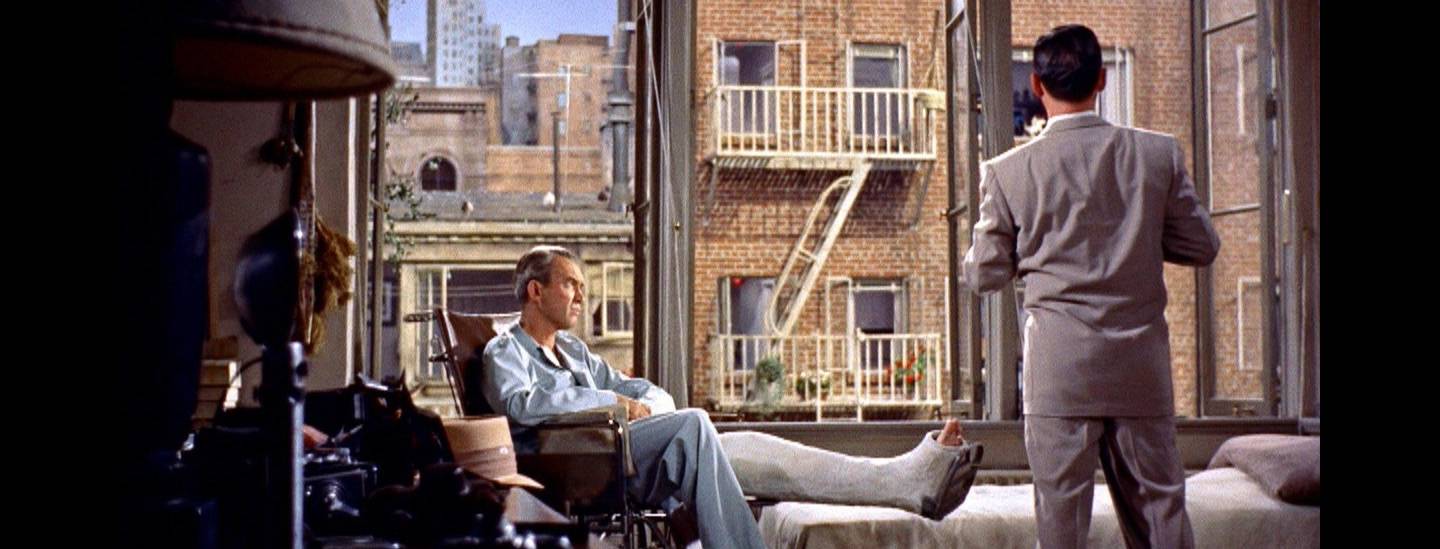 Hitchcock was meticulous about his visuals, and no detail escaped his eye; what an actor wore on screen was as important, if not more important, than the dialogue. Above all, it was the visuals that were his true obsessions, and his films were the pinnacle of set design, costume design, and colour palette working together to enhance the symbolic effect.
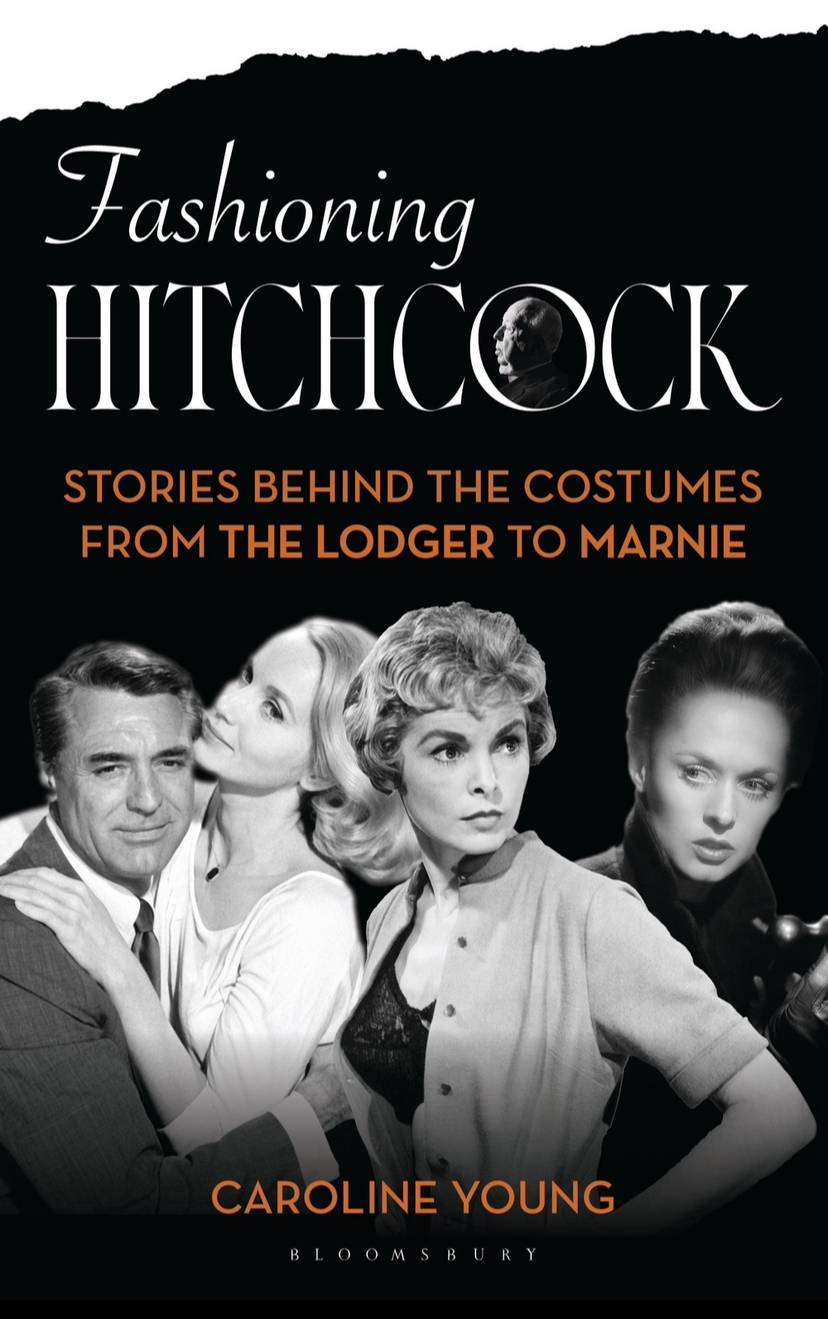
Fashioning Hitchcock: Stories Behind the Costumes from Marnie to The Lodger, by Caroline Young, is published by Bloomsbury Academic on 11 June.