Children are not born afraid of spiders, social situations, darkness, failure or public speaking. In fact, experts suggest babies arrive in the world with only two innate fears: falling and loud noises. Almost everything else is learned.
Which is perhaps why the way parents respond to childhood fear matters far more than many realise.
By the age of two or three, new anxieties naturally begin to emerge. Monsters under the bed. Fear of dogs. Reluctance around school. Separation anxiety. Fear of water, injections or unfamiliar places. For most children, these worries pass with reassurance, experience and time.
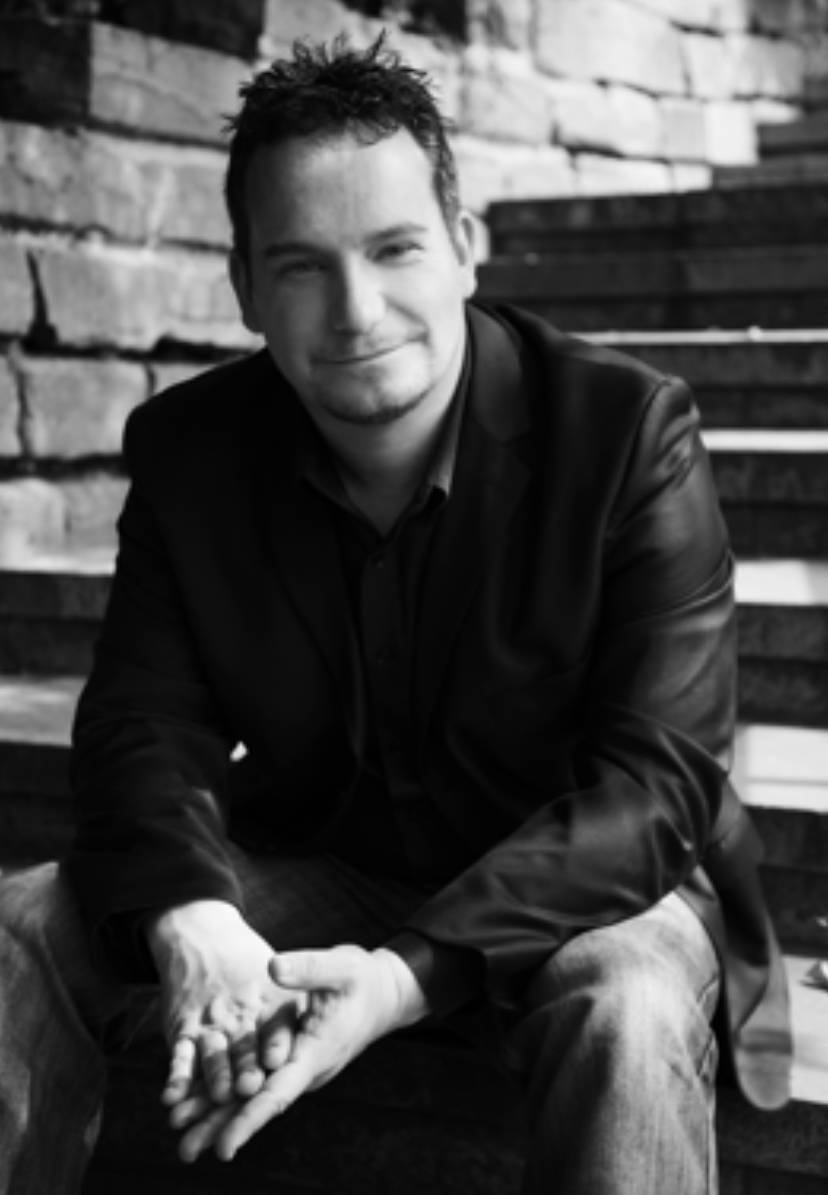
But according to Harley Street phobia specialist Christopher Paul Jones (pictured above) , problems begin when the nervous system starts linking fear with avoidance rather than resolution.
And that, he argues, is the moment many parents unintentionally make things worse.
 When Fear Stops Being Temporary
Modern parenting often places enormous emphasis on protection. Naturally so. Yet in attempting to shield children from distress, many adults accidentally reinforce the very fears they hope to remove.
If a child becomes frightened and immediately avoids the situation, the brain receives a powerful message: this danger is real.
Repeated enough times, a temporary fear can gradually evolve into something far more deeply embedded — a phobia capable of following someone well into adult life.
It is a process Christopher Paul Jones has spent more than two decades studying.
Having overcome his own debilitating fears, Jones developed what he calls The Integrated Change System™, an approach combining mainstream psychology with more modern behavioural and neurological techniques. His work has attracted an international client base reportedly including actors, models, musicians, presenters and public figures seeking help overcoming anxiety and phobias.
His central belief is refreshingly straightforward: fears are learned patterns, meaning they can also be unlearned.
The Parenting Mistakes That Quietly Reinforce Fear
 Perhaps the most interesting aspect of Jones’ work is his focus on what parents should not do.
Rewarding avoidance, overanalysing emotions, catastrophising language or repeatedly rescuing children from fearful situations may feel compassionate in the moment, but can unintentionally validate the fear itself.
 Similarly, language matters enormously.
Parents often underestimate how phrases intended to comfort can actually amplify anxiety. Telling a child “Don’t worry” or “It’s scary but…” still subconsciously reinforces the existence of danger. Children, particularly younger ones, absorb emotional cues far more than logical explanations.
Jones instead advocates helping children understand and name emotions without becoming consumed by them.
The distinction is subtle but powerful.
Teaching Children To Move Through Fear — Not Around It
At the core of modern anxiety treatment is a relatively simple concept: confidence is built through experience, not avoidance.
That means gradually helping children work through uncomfortable situations in manageable ways, allowing the nervous system to learn that fear does not equal danger.
According to Jones, precision also matters. Parents often address fear too broadly instead of identifying the specific emotional trigger underneath it. Is the child afraid of dogs — or of unpredictability? Is it school itself — or fear of embarrassment, separation or failure?
Once the actual emotional mechanism becomes clearer, the fear often becomes far easier to dismantle.
This is where Jones believes many families reach what he describes as the “tipping point” — the stage where an ordinary childhood fear quietly begins evolving into a limiting long-term pattern.
Recognising that point early can make an enormous difference.
Why This Conversation Feels Particularly Relevant Right Now
There is a growing sense that modern children are experiencing heightened anxiety levels compared with previous generations. Social pressures, overstimulation, digital overload and post-pandemic emotional shifts have all contributed to increasingly complex emotional environments for young people.
Against that backdrop, conversations around resilience have become more nuanced.
Parents are no longer simply asking how to protect children from fear, but how to help them build healthy relationships with fear itself.
That distinction feels important.
Because ultimately, fear is not the enemy. It is a normal biological response designed to protect us. Problems only emerge when fear begins dictating behaviour, restricting opportunities or shrinking someone’s world.
And as Christopher Paul Jones repeatedly emphasises, the earlier unhealthy fear patterns are addressed, the less likely they are to define adulthood.
Beyond Childhood
What makes this subject particularly compelling is the long shadow unresolved childhood fears can cast.
Fear of embarrassment becomes social anxiety. Fear of failure becomes perfectionism. Fear of rejection becomes emotional withdrawal. What begins as a seemingly harmless childhood coping mechanism can quietly shape careers, relationships and self-esteem decades later.
Which is why helping children develop emotional flexibility may be one of the most valuable life skills parents can offer.
Not fearlessness.
But the ability to feel fear — and move forward anyway.
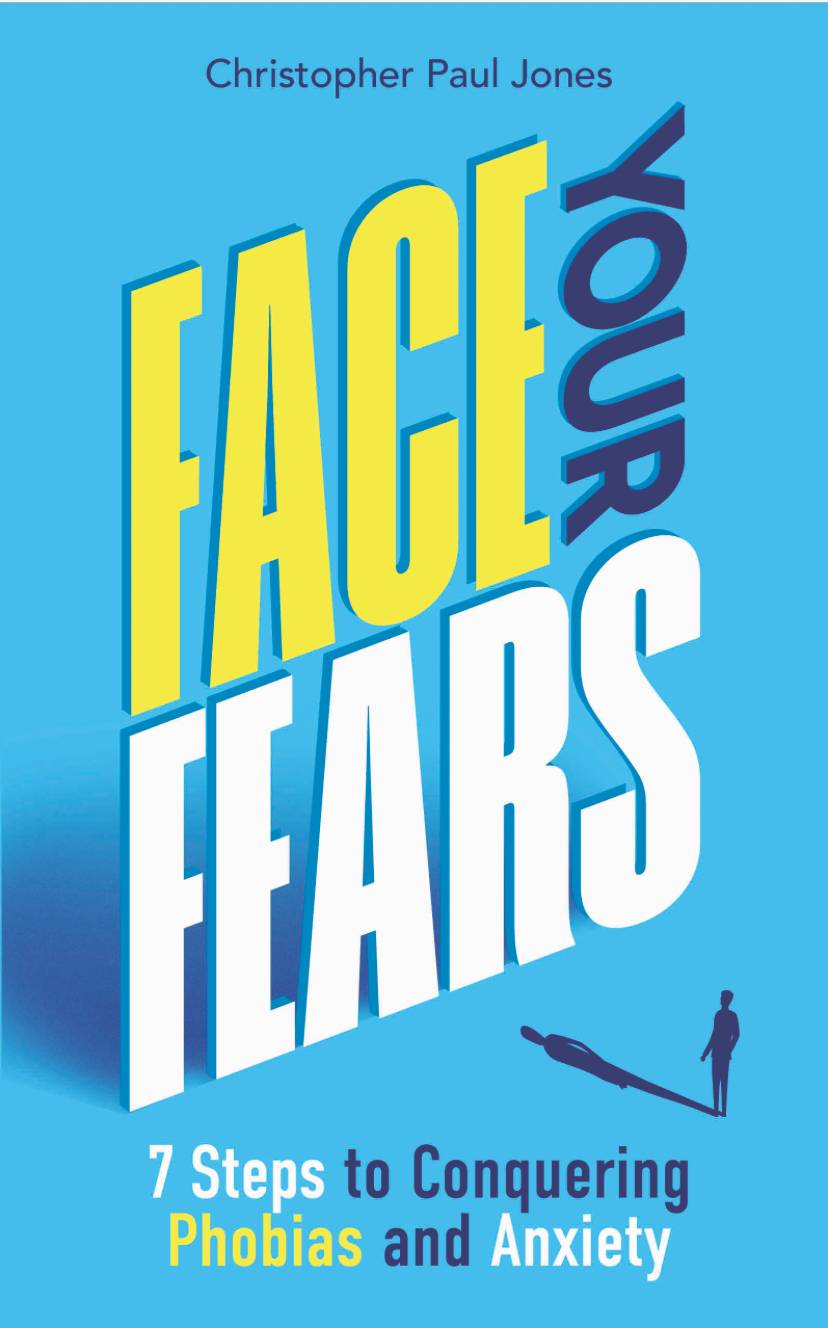
Christopher Paul Jones’ latest book, Face Your Fears, explores these ideas further, offering practical strategies for overcoming phobias and anxiety while reframing how we understand fear itself.