Words By Zachary Smith, Optometrist, Midland Eye
Presbyopia is the gradual loss of your eyes’ ability to focus on nearby objects, and it is an almost inevitable part of ageing. It’s why most people start needing reading glasses around age 45. If you’ve ever wondered whether you might be able to ditch your glasses for good, here’s a complete rundown of the most common eyesight issues that can be solved with surgery, as well as those that need maintenance to stop or slow progression.
 Let’s start with vision problems that can be corrected surgically:
Refractive Errors
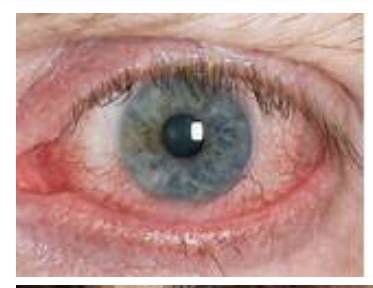
The most common vision problems are refractive errors – where the shape of your eye prevents light from focusing correctly on your retina causing blurry vision. This can mean myopia (short-sightedness), hyperopia (long-sightedness), or astigmatism (where the lens is a rugby ball shape).
In the past, these refractive errors could only be corrected with glasses. While glasses are still a quick and inexpensive option, many people would like a more permanent solution to their blurry vision.
Laser Eye Surgery
For many people with refractive errors, laser eye surgery offers a permanent solution. The most common type, LASIK (Laser-Assisted In Situ Keratomileusis), involves creating a small flap in your cornea, reshaping the tissue underneath with a laser, and then replacing the flap. It’s remarkably quick (usually taking just 15-30 minutes for both eyes) and most people can return to work within a couple of days.
If you have thinner corneas or if you’re involved in contact sports you may not be suitable for LASIK. However, alternatives like ICL (Implantable Collamer Lenses), PRK (Photorefractive Keratectomy) or the newer SMILE (Small Incision Lenticule Extraction) procedure might be more appropriate.
Implantable Collamer Lenses (ICL)
For those with very high prescriptions or thin corneas that make laser surgery unsuitable, ICLs offer an excellent alternative. These special lenses are implanted inside the eye, working alongside your natural lens to correct your vision.
ICLs are typically recommended for younger patients with stable but high prescriptions who aren’t yet candidates for lens replacement surgery.
 Lens Replacement Surgery
Also known as Refractive Lens Exchange (RLE), this procedure is essentially the same as cataract surgery but performed before any cataracts develop, purely to correct vision. During surgery, your eye’s natural lens is removed and replaced with an artificial one.
Lens replacement surgery is particularly beneficial for:
● People over 45 who want to correct both distance and reading vision simultaneously
● Those with high prescriptions that might not be suitable for laser eye surgery
● People who want to reduce or eliminate their dependence on glasses or contact lenses
It’s worth noting that while lens replacement is extremely effective, it’s generally not recommended for younger patients unless they have very high prescriptions. This is because younger eyes still have natural flexibility, allowing them to focus at different distances – a capability that’s lost when the natural lens is replaced.
Cataracts: Clearing Cloudy Vision
Cataracts occur when the lens in your eye becomes cloudy, making everything look misty or blurred – rather like looking through a frosted window. They’re incredibly common as we age, affecting many people over 65.
During cataract surgery, the cloudy lens is removed and replaced with a clear artificial one, helping restore your vision to its former clarity. The procedure is usually performed under local anaesthetic and takes just minutes per eye.
If you also have astigmatism, specialised toric lenses can correct this at the same time as addressing the cataract.
Some eye conditions can’t be fully corrected with surgery, but their progression can be slowed or managed to preserve vision.
 Keratoconus
Keratoconus is a progressive eye disease where the normally dome-shaped cornea thins and begins to bulge into a cone-like shape, causing distorted vision. While it can’t be cured, there are effective treatments to halt its progression. For example, Corneal Cross-Linking is a procedure that strengthens the corneal tissue using ultraviolet light and a photosensitiser (riboflavin or vitamin B2) to create new bonds between collagen fibres in the cornea. It’s highly effective at stopping keratoconus from worsening in about 95% of cases.
In very severe cases that don’t respond to other treatments, a corneal transplant might be necessary, but this is increasingly rare thanks to early intervention with cross-linking.
Macular Degeneration
Age-related macular degeneration (AMD) affects the macula, the central part of the retina responsible for detailed central vision. There are two forms:
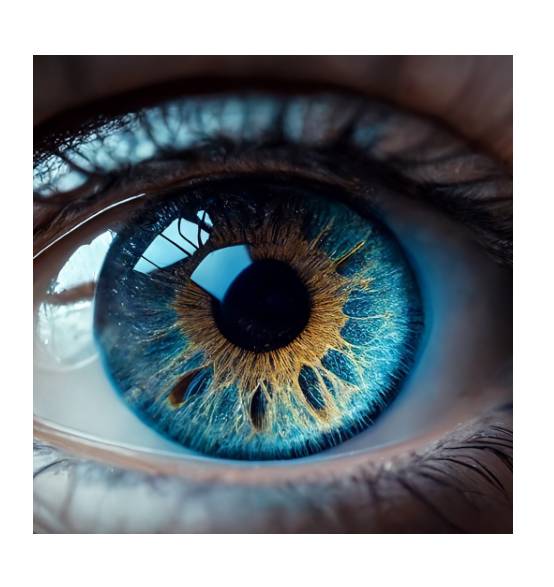
Wet AMD
For wet AMD, regular anti-VEGF injections can slow the progression significantly. These injections work by blocking a protein called vascular endothelial growth factor (VEGF), which stimulates the growth of harmful abnormal blood vessels in the eyes.
In around 10% of cases, vision actually improves with these injections. For about 80% of patients, the injections merely slow the degeneration, which is why catching it early is crucial. About 10% of patients don’t respond to treatment, though there are several types of anti-VEGF medications to try if one doesn’t work.
Dry AMD
Currently, there’s no approved treatment to reverse dry AMD, however, research is ongoing.
Glaucoma
Glaucoma is typically characterised by increased pressure within the eye, which can damage the optic nerve and lead to vision loss if left untreated. While glaucoma-related vision loss can’t be reversed, further damage can be prevented.
Eye drops are usually the first line of treatment, helping to reduce pressure within the eye and prevent further damage to the optic nerve. For cases where drops aren’t sufficient, various surgical procedures can help reduce eye pressure.
Diabetic Eye Disease
Diabetes can affect your eyes in several ways, most commonly through diabetic retinopathy and diabetic macular oedema.
Diabetic Macular Oedema
When fluid builds up in the macula due to leaking blood vessels, it causes swelling and blurred vision. Treatment options include steroid injections and laser treatment; these treatments can significantly improve vision by reducing swelling, though regular monitoring is essential.
Proliferative Diabetic Retinopathy
In advanced cases, abnormal blood vessels grow on the retina’s surface. These can bleed or cause scar tissue, potentially leading to retinal detachment and severe vision loss. Laser photocoagulation can seal off these abnormal vessels and prevent further growth. While this helps preserve remaining vision, it can’t restore vision already lost and may affect peripheral or night vision in treated areas.
 Corneal Dystrophy
Corneal dystrophies are a group of rare genetic eye disorders where abnormal material builds up in the cornea (the clear window at the front of your eye), affecting its clarity. Fuchs dystrophy is the most common type, typically affecting people in their 50s and 60s.
For advanced cases of corneal dystrophy, a corneal transplant may be necessary. This procedure replaces the damaged cornea with healthy donor tissue. It’s often done at the same time as cataract surgery if both conditions are present.
Genetic Conditions Beyond Current Treatment
Some eye conditions, particularly genetic ones affecting the retina, currently have no effective treatments. Regular eye examinations are crucial for early detection of these conditions, even though treatment options are limited.
Retinitis Pigmentosa
This inherited condition causes the gradual degeneration of the retina’s light-sensitive cells. It typically begins with night blindness, followed by a progressive loss of peripheral vision, eventually resulting in tunnel vision. Research into gene therapy and retinal implants shows promise, but effective treatments remain in the experimental stages.
Stargardt Disease
This juvenile form of macular degeneration affects the central vision, usually beginning in childhood or adolescence. While research is underway, no treatments are currently available to slow or reverse vision loss from Stargardt disease.
Leber Congenital Amaurosis
A severe form of retinal dystrophy present from birth or early childhood, LCA causes profound vision loss. While gene therapy has shown promise for specific genetic mutations causing LCA, treatments aren’t widely available for all forms.
Fortunately, these conditions are relatively rare – they are genetic and affect people from birth.
Looking to the Future
The field of ophthalmology continues to advance rapidly. Promising areas of research include:
● Stem Cell Therapy: Particularly for conditions affecting the retina and optic nerve
● Gene Therapy: For inherited eye conditions like certain forms of retinitis pigmentosa
● Artificial Retina Technology: Electronic implants that can partially restore vision for some blind patients
● Advanced Drug Delivery Systems: To provide sustained treatment with fewer interventions
While many eye conditions still pose significant challenges, the future holds hope for treatments that may one day restore vision thought to be permanently lost.
If you’re considering eye surgery or dealing with an eye condition, the most important step is to consult with an eye care specialist who can assess your individual situation. Remember that what works for one person might not be right for another, and a personalised approach is essential. Many corrective procedures also aren’t yet available on the NHS, so you may have to contact a private clinic if you want to ditch your glasses for good.
Regular eye examinations remain your best defence against vision loss, as many conditions can be managed effectively if caught early. Even for conditions that can’t currently be cured, treatments often exist to preserve remaining vision and maintain quality of life. Just be sure to report any issues or changes in vision to your optician immediately. The earlier conditions are caught, the better the outcome.
With the right information and expert care, many people can achieve significantly improved vision and a better quality of life, whether through corrective surgery or appropriate management of ongoing eye conditions.
 A seasonal upgrade on the everyday essentials, Harry’s delivers another perfectly designed, practical and beautifully packaged set. Their Christmas Shower & Shave kit includes everything a man needs for a smooth, irritation-free morning, all wrapped up in classic Harry’s style. Clean design, clean shave — job done.
 M&S continues its quiet domination of affordable luxury with the Autograph Grooming collection. Sleek, sophisticated and ideal for the man who loves good quality without the fuss. From refined shaving sets to subtly scented bodycare, this range shows that style and substance don’t have to break the bank.
 For the man who likes his grooming with personality, pine trees and a dash of unapologetic masculinity. Dr Squatch delivers bold soaps and bodycare with festive humour and natural ingredients. Expect limited-edition seasonal scents that wouldn’t look out of place at the North Pole but feel decidedly premium in the shower.
 Not technically grooming — but absolutely essential for every well-kept home. Acqua di Parma capturing the warm, buttery, citrus-infused aroma of traditional Italian Panettone is nothing short of seasonal genius. A perfect addition to any man’s bathroom, bedroom or grooming sanctuary. It’s Christmas, in candle form.
 For the gent on the go, this is all about practicality wrapped in modern, masculine fragrance. The Black Pepper & Ginseng scent is fresh yet warming, and the sturdy wash bag makes it the ideal companion for gym visits or festive weekends away. Great value, great gifting.
 A comprehensive, no-nonsense grooming overhaul in one smart package. No7’s Ultimate Grooming Collection is perfect for the man who likes results: targeted skincare, quality formulations and easy-to-follow routines. It’s effortlessly premium without the premium price tag — a reliable Christmas win.
 Rituals continues to deliver indulgence in its purest form, and the Homme Collection is no exception. Rich, aromatic products designed to transform a standard shower into a spa-level escape. If there’s one gift that guarantees sighs of approval on Christmas morning, it’s this.
 For the fragrance lover, the aesthete, the man who knows exactly how he wants to smell — or is on the journey to discovering it. The Tom Ford Private Blend Discovery Set is refined, decadent and incredibly gift-worthy. A curated selection of miniatures that open the door to one of the most iconic fragrance libraries in modern perfumery.
 Sometimes grooming gifting needs to be practical. Enter Wahl’s Groomsman Pro: a reliable, easy-to-use and versatile trimmer for tidying beards, edges and all the finishing touches. A staple tool no man should be without — and one he’ll use long after the Christmas decorations are packed away.


 Football Advent Calendar (24‑Day) by HOIDOKLY