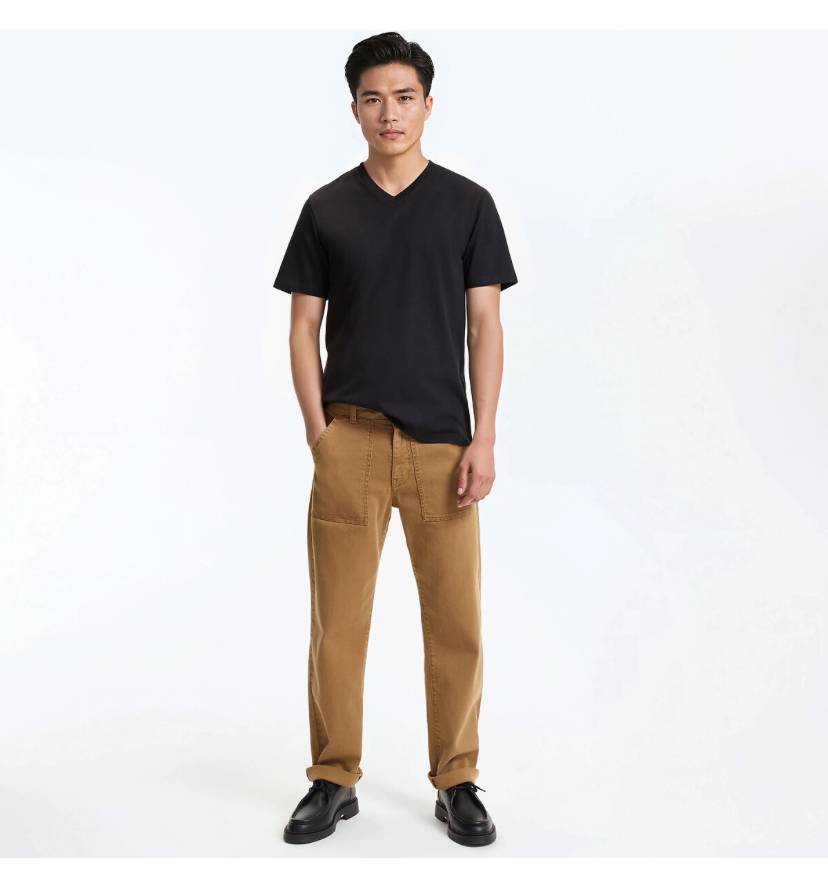
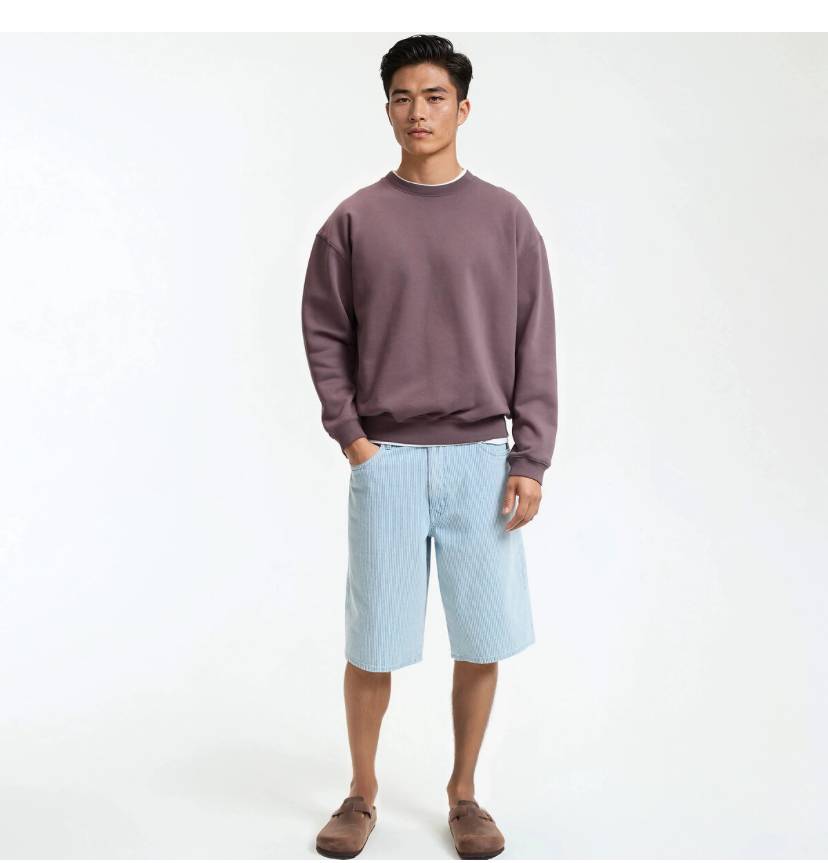
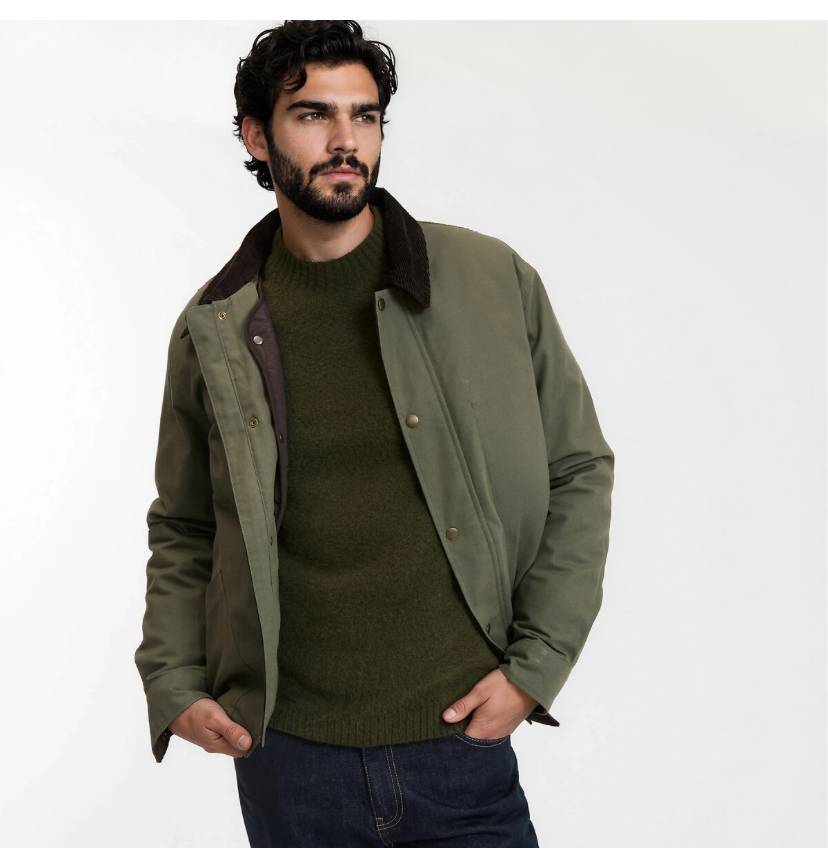
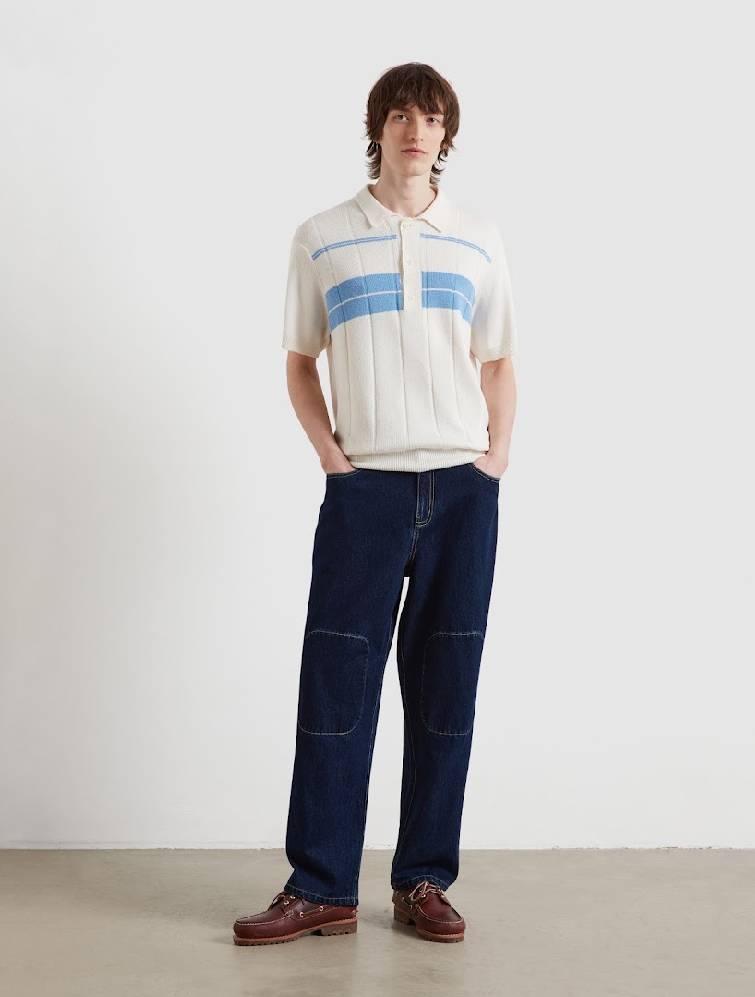
Power Casual’: How Britain Is Redefining Office Style

Once upon a time, office dressing came with a rulebook. Suits were sharp, shoes were polished, and comfort was something you enjoyed once you got home. Fast forward to 2025, and the UK workplace tells a very different story.

A new study from TK Maxx reveals that British office style is entering a new era — one defined not by rigidity, but by what might best be described as Power Casual. It’s smarter than the Zoom-era hoodie, more relaxed than the old nine-to-five uniform, and firmly rooted in comfort.

The Return to the Office (On Our Terms)

With over a third of UK employees (38%) now spending more days in the office than they did last year, the daily question of “What do I wear?” has returned — albeit with new complexity. Nearly half of office workers (45%) say they dress more formally now than a few years ago, signalling a move back towards polish. But this isn’t a wholesale return to pinstripes and ties.

Instead, “formal” has been quietly redefined.

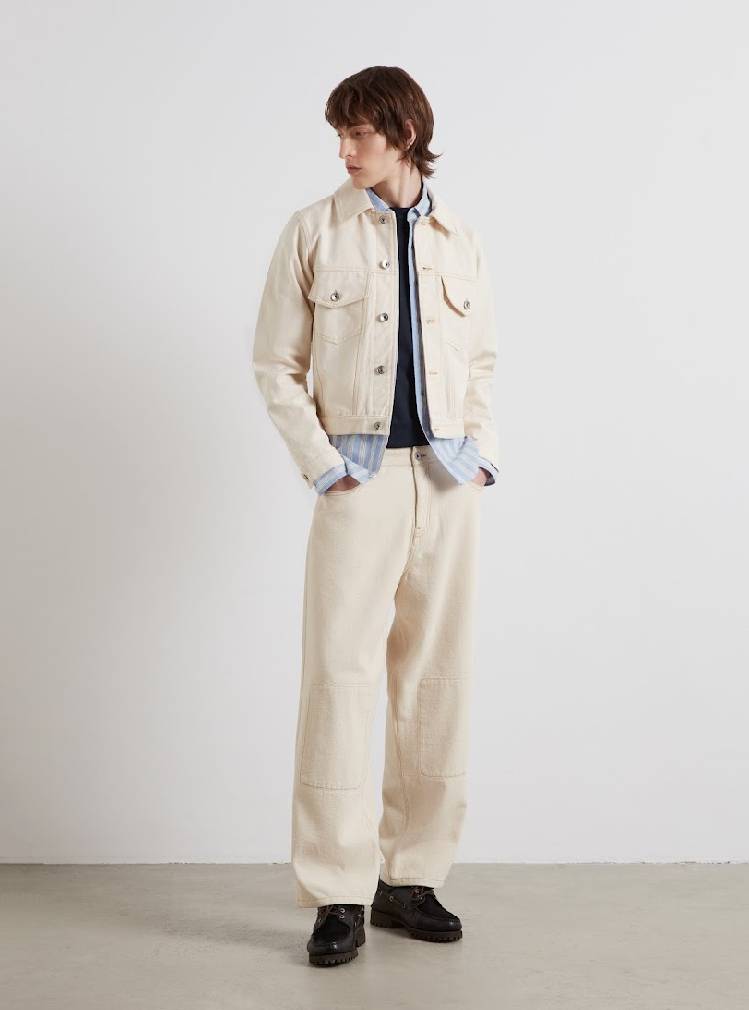
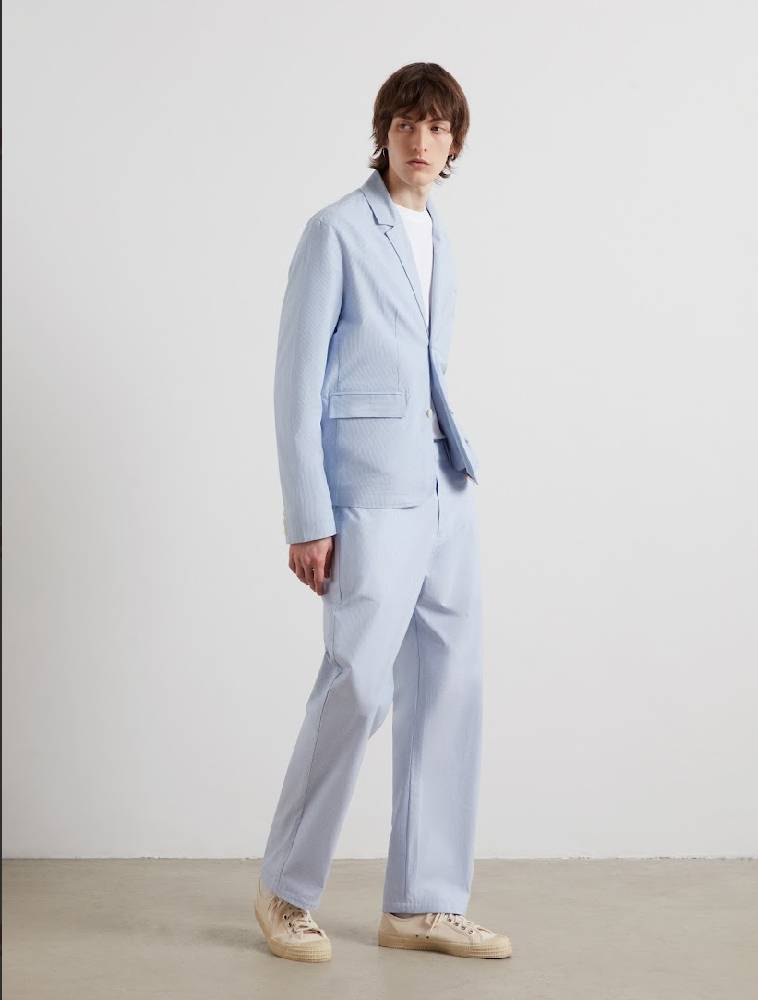
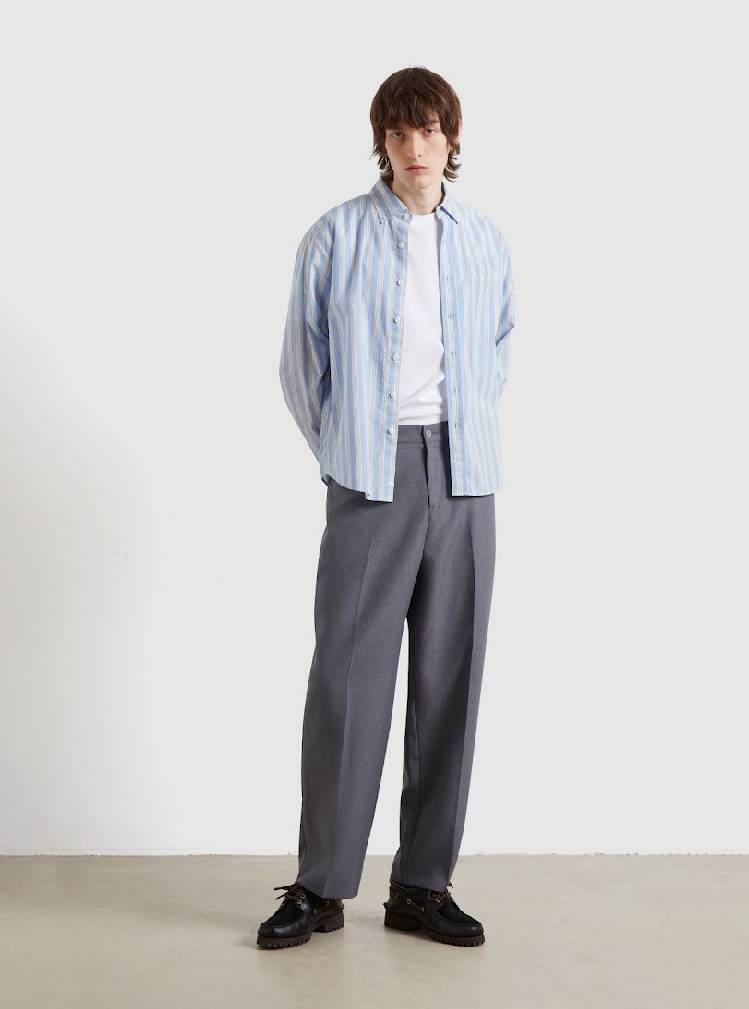
Today’s office aesthetic sits somewhere between smart (27%) and smart casual (25%). Think relaxed tailoring, soft-shouldered blazers, well-cut trousers with a touch of stretch, and shirts that feel as good at 8am as they do at 6pm. The blazer, in particular, has reclaimed its role as the great mediator — bridging professionalism and practicality with ease.

Comfort Is King

If there’s one statistic that defines modern workwear, it’s this: 47% of UK office workers say comfort is the number one influence on what they wear to work — ranking above looking professional (37%) and even dressing for the weather (33%).

Hybrid working has blurred the lines between home and office, and for 37% of employees, that makes getting dressed more confusing than ever. Yet rather than dressing down, many are dressing smarter, simply demanding that their clothes work harder for them.

Breathable fabrics, forgiving fits and versatility are no longer bonuses — they’re non-negotiables.

A Generational Shift in Style

Interestingly, it’s younger professionals who are leading the charge back towards smarter dressing. Among those aged 16–34, 62% say their wardrobe is now more formal than it was previously. For senior leaders and C-suite professionals, that figure rises to 72%.

Workwear, it seems, still carries weight. Clothing remains a signal — of intent, credibility and self-respect — but the message has evolved. Authority no longer requires discomfort.

Investing in the Work Wardrobe

Workwear remains a serious investment. Nearly three quarters (72%) of employees buy clothing specifically for the office, with 40% maintaining a dedicated “work-only” wardrobe. Younger workers, in particular, are keen to keep boundaries intact — 81% of those aged 25–34 prefer to separate office attire from casualwear.

The average spend per outfit now sits at £119.75, with men investing significantly more (£141) than women (£99). It’s a reminder that dressing well for work is still seen as worthwhile — not just for appearance, but for how it makes us feel.

Over a quarter (28%) say dressing for work is a way to showcase personal style, while 24% admit the right outfit genuinely motivates them for the day ahead. Clothes, as ever, do more than clothe us.

Dressing for the Modern Office

The modern workplace demands flexibility — and so should your wardrobe. TK Maxx highlights a few guiding principles that feel particularly aligned with this new Power Casual mindset:

  • Invest in versatile staples
    Timeless pieces — a good blazer, tailored trousers, crisp shirts — form the backbone of any functional office wardrobe.
  • Choose comfort with polish
    Stretch fabrics, breathable materials and smart silhouettes keep things sharp without sacrificing ease.
  • Add personality thoughtfully
    Accessories, footwear and texture allow individuality to shine without undermining professionalism.

With access to big brands and quality workwear at up to 60% less than RRP, TK Maxx positions itself as a practical solution for navigating this new era — where style, comfort and adaptability all carry equal weight.

The New Office Uniform

Power Casual isn’t about lowering standards; it’s about updating them. It reflects a workforce that values self-expression, comfort and confidence in equal measure. As offices continue to evolve, so too does the language of dress — quieter, more relaxed, but no less intentional.

After all, clothes still make the man. They just don’t have to make him uncomfortable anymore.

Harry’s Expands Its UK Skincare Line-Up with the Launch of the Hydrating Facial Cleanser

If there’s one thing modern grooming has finally got right, it’s simplicity. Men want products that work, fit effortlessly into their routine, and don’t demand a degree in skincare to use properly. Harry’s has built its reputation on exactly that principle — high-quality, straightforward essentials designed for everyday life — and its latest UK launch continues in the same vein.

The men’s personal care brand has expanded its UK skincare range with the introduction of its Hydrating Facial Cleanser, an easy, everyday face wash created to take daily grooming routines one step further without overcomplicating things.

Dry skin remains the number one skincare concern for men, particularly in the UK’s less-than-forgiving climate. Harry’s Hydrating Facial Cleanser is designed to address that head-on, offering a gentle but effective cleanse that delivers long-lasting hydration while helping to support the skin barrier. It’s an ideal entry point for those new to skincare, as well as a smart upgrade for anyone looking to refine their daily cleanse.

True to the brand’s ethos, the formulation keeps things purposeful rather than flashy. The cleanser is made with premium ingredients and is suitable for sensitive skin, with both dermatologist and clinical testing backing its performance. In other words, it does what it says on the bottle — no unnecessary steps, no gimmicks.

The launch also reflects how men actually use skincare. Harry’s previously introduced an Exfoliating Face Wash, designed as a more occasional addition to a routine rather than a daily staple. Consumer insights revealed that most men prefer exfoliation as a secondary step, not something they reach for every morning and night. The Hydrating Facial Cleanser fills that gap, offering a gentler option that’s designed for everyday use, whether morning, night, or both.

It’s a move that feels considered rather than reactive, and one that reinforces Harry’s position as a brand that understands modern grooming habits. For men who want healthy, comfortable skin without turning their bathroom shelf into a laboratory, this latest addition ticks all the right boxes.

Sometimes, better grooming isn’t about adding more products — it’s about choosing the right ones.

M&S promise – Style You Love, Value You Can Trust

M&S celebrates style you love at Value You Can TrustBringing together the best in design and quality, offering hard-working, versatile wardrobe staples that stand the test of time. 

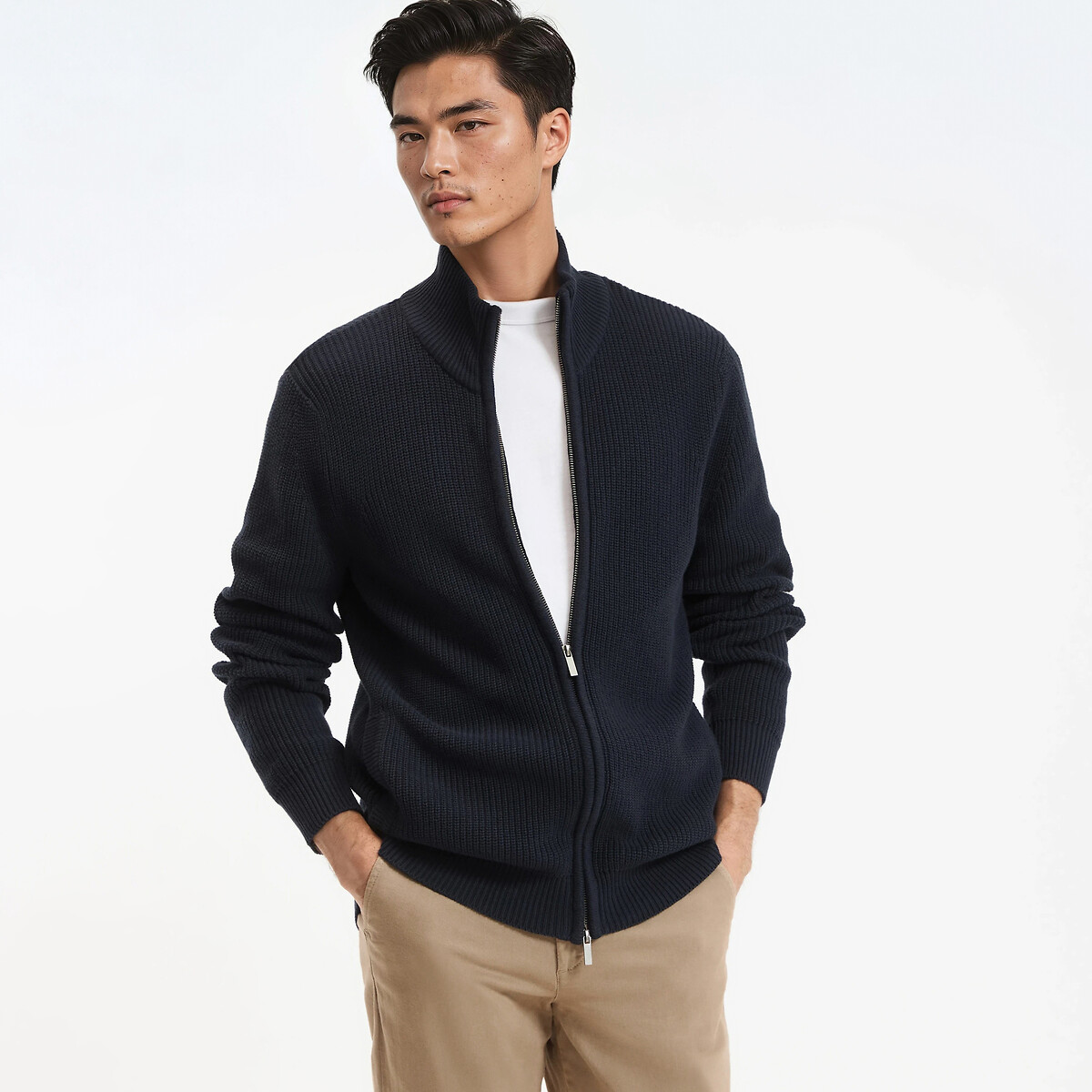
From your wear-with-everything jeans to the perfect collared knit, these seasonless icons are designed to simplify dressing and deliver style that endures beyond trends. 

Designed for real life, staples combine clever design, premium finishes and accessible prices. Whether layered, lived in, or worn on repeat, each piece delivers versatility, and longevity, helping customers build a capsule wardrobe that truly works. 

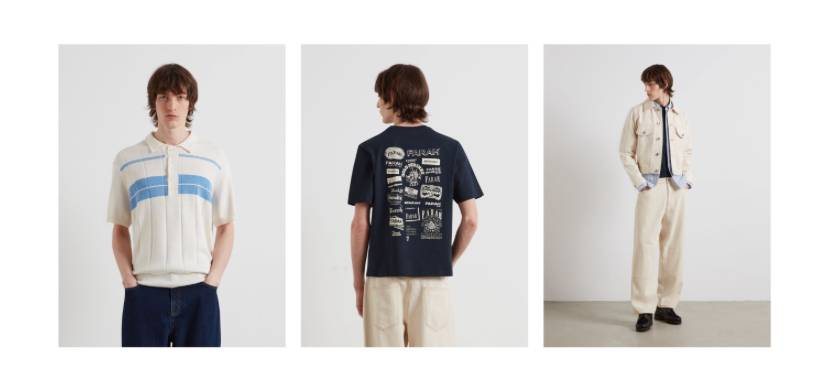
Menswear delivers timeless style, quality craftsmanship and effortless versatility at great value. Designed to work harder and last longer, the collection focuses on elevated essentials that layer and transition seamlessly across work, weekend and occasions.  

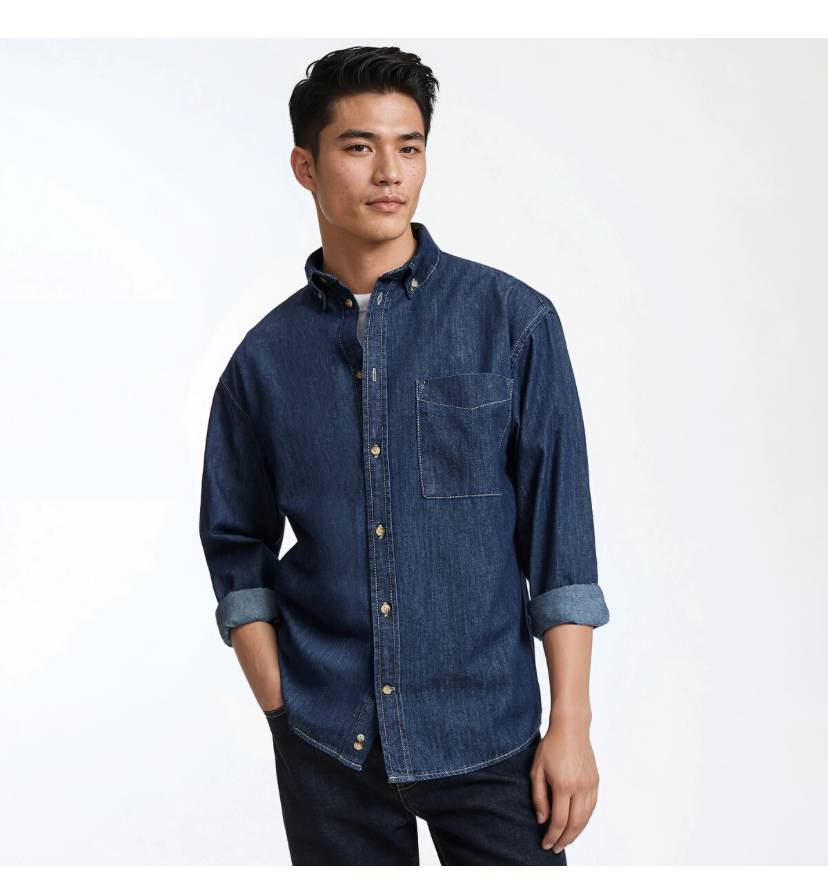
So imagine a shirt works for the office, weekends and whatever’s happening in between – it’s a solid wardrobe addition. And when jeans go with every pair of shoes you own – no fuss, no overthinking, it’s an outfit that adds up.  

Introducing Value You Can Trust for the New Year – a considered edit of dependable fits and timeless appeal, where classic style meets accessible prices. Fashion that works harder, with elevated essentials designed to slot seamlessly into real wardrobes – underpinned by quality and comfort. 

The ‘Tired Tax’: Why Being Exhausted Is Costing Britons Thousands a Year

Modern life has a new surcharge — and it’s not coming from HMRC. It’s coming from exhaustion. Dubbed the “Tired Tax”, new research reveals how fatigue is quietly fuelling convenience spending across the UK, with the average Brit losing £395 every month simply because they’re too tired to cook, commute properly, or follow through on good intentions.

Commissioned by wellbeing brand feeling., the nationally representative survey of 2,000 UK adults paints a familiar picture: low energy, high stimulation, and wallets leaking money in small, almost unnoticeable ways.

Convenience Culture Meets Burnout

When energy dips, convenience fills the gap — at a cost. Takeaways replace home cooking. Taxis replace walking. Subscriptions go unused. Parcels sit by the door, waiting to be returned “later”.

In fact, 72% of respondents admitted they’ve forgotten to return an online purchase altogether, turning tired procrastination into a £75 monthly loss on average.

According to Kiera Lawlor, co-founder of feeling., this is burnout playing out financially:

“Tiredness has become one of the most expensive emotions. When we’re overstimulated and drained, spending feels like relief — whether that’s caffeine, convenience, or comfort.”

What the ‘Tired Tax’ Really Looks Like

The research shows the average monthly cost of fatigue breaks down as follows:

  • £85 on caffeine fixes just to get through the day
  • £60 on takeaways and food delivery
  • £50 on Ubers and taxis instead of walking or public transport
  • £55 lost to missed gym classes and unused memberships
  • £75 on unreturned fashion purchases
  • £40 on impulse beauty or wellness buys
  • £30 on missed non-refundable plans

Over a year, that adds up to £4,740 — not from indulgence, but from exhaustion.

The Hidden Cost of “Too Tired”

Burnout is often framed as an emotional or productivity issue. But this research highlights a more uncomfortable truth: fatigue is shaping how we spend, how we live, and how much value we actually get from our money.

Convenience brands thrive when energy is low. The less rested we are, the more likely we are to outsource effort — again and again.

As Lawlor notes:

“We talk about burnout as emotional, but it’s also financial. The Tired Tax is real — and most people don’t realise they’re paying it.”

How to Reduce the Damage

feeling. suggests small but effective ways to cut the Tired Tax without overhauling your life:

  • Work with your energy, not against it — tackle demanding tasks when you naturally feel most alert
  • Plan comfort before exhaustion hits — easy meals and low-effort plans beat last-minute spending
  • Check your autopilot habits — your inbox knows where your money’s going
  • Rethink rest — scrolling isn’t recovery
  • Protect your energy — saying no is still productive

So In a culture that rewards busyness and underestimates rest, fatigue has become quietly expensive.

The real status symbol in 2026?

Enough energy to walk, cook, return the parcel — and keep your money where it belongs.

New Year, New Habits: Why a Simple Reset Beats Resolutions Every Time

January has a habit of arriving with a shout rather than a whisper. New routines. New rules. A harder, stricter version of yourself. Gym memberships spike, calendars fill with good intentions, and by mid-February, reality quietly reasserts itself.

For many active adults, particularly those in their 40s and 50s, the all-or-nothing approach simply doesn’t stick. Life is fuller, schedules are tighter, and the idea of extreme wellness regimes feels more exhausting than energising. The traditional January push for stricter routines, harder training and more rules often feels unrealistic once real life resumes.

Most people in their 40s and 50s don’t have the time, or desire, for extreme wellness routines,” says Simon Swan, entrepreneur, lifelong cyclist and founder of Uthful. “They’re juggling careers, kids, commutes, ageing parents, relationships… and somewhere in the middle of all that, they still want to feel good.”

That thinking sits at the heart of Uthful’s approach this year. Rather than encouraging a dramatic overhaul, the brand is championing a quieter, more sustainable reset built around simple, repeatable habits that support energy, focus and resilience without demanding extremes. Because a reset doesn’t have to mean starting from scratch. More often, it’s about stripping things back, reconnecting with the basics, and building habits you can actually sustain when life gets busy again.

As people stay active into midlife, recovery increasingly determines how often – and how well – they can keep showing up. Whether it’s gym training, cycling, running or social sports such as padel, many begin to notice that stiffness lingers longer and energy dips more easily than it once did. From a clinical perspective, this is something award-winning nutritional therapist Joanne Hill (DipCNM, mBANT, CHNC) sees regularly in practice. Energy, focus and resilience are influenced by nutrient status, sleep, stress and inflammation, all of which respond best to steady, ongoing support rather than short-term interventions.

“Longevity isn’t just about living longer, it’s about living better,” Hill explains. “Uthful brings together advanced longevity nutrients and potent plant compounds that have been shown to support cellular protection and help balance inflammation — key factors at the root of many chronic conditions.”

Uthful was created for active, health-conscious adults aged 35+ who already eat well and stay active, but want to feel sharper, stronger and more energised as they age. Its all-in-one daily blend combines 24 vitamins, minerals, compounds and electrolytes designed to support energy, focus, recovery and long-term vitality in one simple daily drink. Rather than competing on ingredient volume, the formulation focuses on nutrients people are commonly deficient in, or that are difficult to obtain from diet alone, delivered in bioavailable forms and real-world doses. Manufactured in the UK, it reflects a philosophy rooted in simplicity, consistency and everyday practicality.

At the core of the brand is a belief that feels particularly relevant in January: health is a habit.

You can’t outsource exercise, sleep, diet and stress management to a powder,” says Swan. “But you can give your body the building blocks it needs to feel sharper, stronger and more resilient.”

That’s why Uthful’s New Year message is deliberately understated. Rather than chasing a new version of yourself, it encourages supporting the life you already enjoy and building habits that last long after January motivation fades.

For me, it’s not about living forever,” Swan adds. “It’s about living well. Having the energy to do the things that bring you joy — as a parent, partner, athlete, friend — and continuing to do them as you get older.

And when it comes to New Year resets, that feels far more appealing than another resolution destined to be forgotten by February.