An Essential Guide and everything you need to know about Circular Fashion

Words by Melissa Chorlton
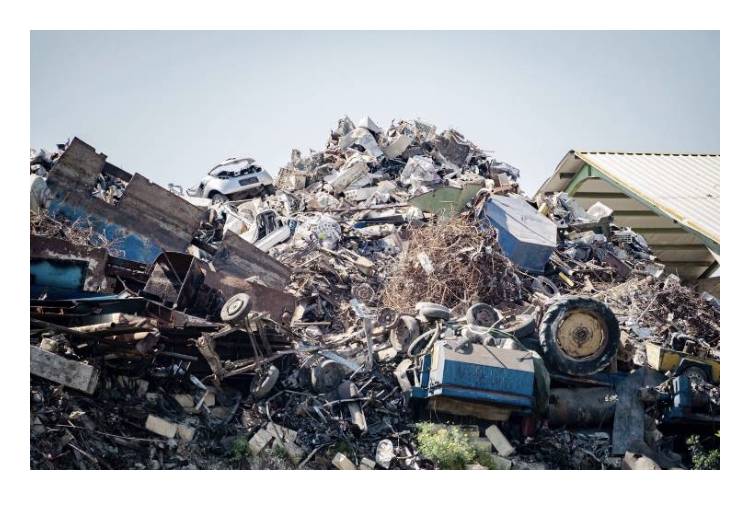
One of the biggest problems the world is facing is pollution and with our bad habit of throwing things away, it isn’t hard to see why. The fashion industry is one of the worst polluters in the world, whether this is from using unsustainable materials, wasting valuable resources such as water or simply throwing away clothes that are not in style anymore. Fast fashion is a huge issue that is continuing to grow even larger than ever before.

It is clear to see there needs to be a movement to abolish unsustainable methods of production as well as adopt a more circular production method. This is no fault of consumers as it can be difficult to comprehend how fast fashion impacts the environment when we shop at our favourite shops where the clothing is made thousands of miles away.

Now innovation is possible within the fashion industry, we are seeing new materials and new production methods being implemented by some of the top designers such as circular fashion. In this article, we will go through what circular fashion is and how it differs from linear fashion.
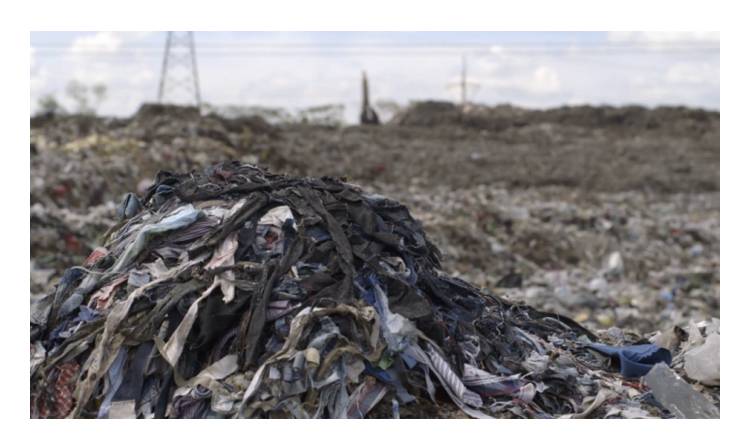
What is circular fashion?

The whole theory behind circular fashion production is that a product is made without wasting any materials or resources and that the product must still be equally as important when a consumer is finished with it.

The system contemplates the types of materials being used and the production method considerably in order to minimise the amount of waste throughout the whole process. They also consider how that item of clothing can be repurposed once the consumer is finished with it.

Circular fashion’s main consideration is how long an item of clothing can last as well as the life cycle of products such as designing out waste and pollution. Linear fashion is quite the opposite as there is no real consideration for the end of life of clothing and is only bothered about selling the product and not caring about the waste or pollution.

If more brands adopted a closed-loop fashion production method, the materials would be reused continuously or recycled which then eliminates any waste or pollution. This is simply because the natural resources would be in less demand as cut-offs from materials already in circulation would be used in replacement.  

                                                                                                     How does circular fashion work?

To understand the process further, it is best to describe the process, Let’s start with a gym tee.

Due to the nature of a gym t-shirt, it needs to be breathable as well as light and more than likely have some stretch to it.

In linear production, the designer will create the design, the production team will pick the materials and the factory will then mass produce that product which is then shipped thousands of miles to the stores that sell the product. It is easy to see why many consumers are completely oblivious of the impact made by one simple T-shirt.

When it comes to circular fashion, every step of the design is considered from design to retail as well as aftercare, longevity and how sustainable that item is. When thinking about circular design, the designers will be considering the following:
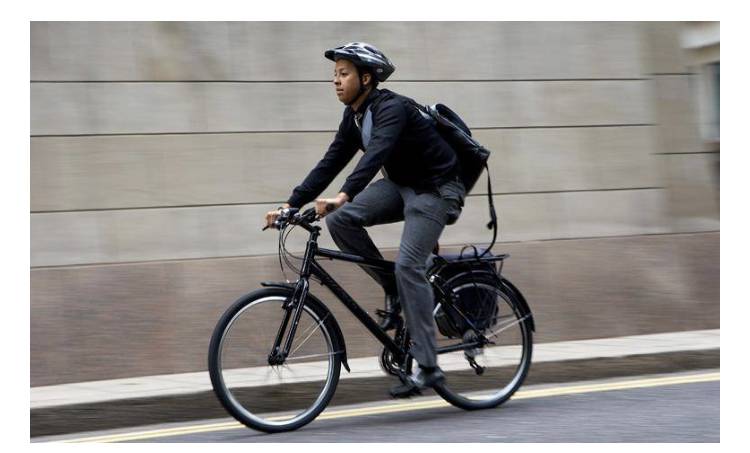
Is the material strong enough to last years?
How long can we see someone wearing this product?
Is the style timeless or trending?
For the production team: Are the materials sustainable? Can the materials be disassembled? Are the materials reusable?
For the factory: Are the workers being treated well? Are they paid fairly?
Do the factories contribute to local pollution?
Once the gym tee is at its end life, can it be repaired, redesigned or reused instead of ending up in a landfill?  

What are the environmental benefits of circular fashion?

Circular fashion has many benefits and if more designers adopted circular fashion production as it doesn’t just aim to abolish the serious impact of linear production as it helps to build the stepping stones for other companies to follow. It also helps to create jobs, new businesses and other economic opportunities as well as environmental and social benefits. Circular fashion processing considers everyone and everything that is affected whilst other benefits include:
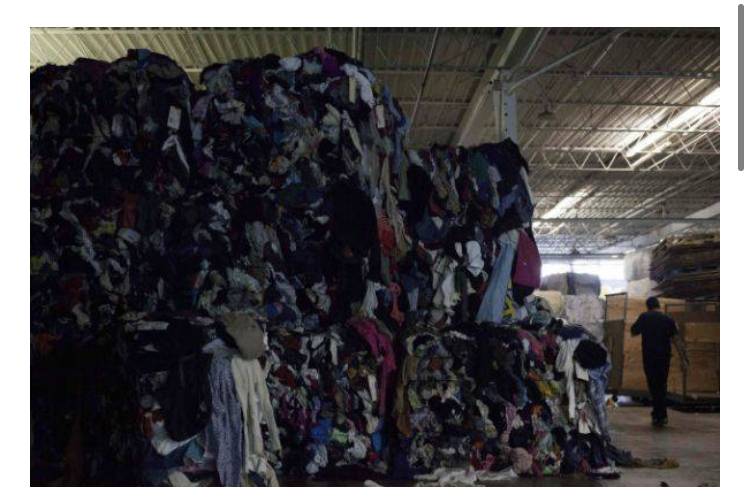
Less waste in landfills: The main focus of circular fashion is waste reduction so the designer will create items made from materials that can be reused.
Less natural materials wasted: Circular fashion aims to reuse materials in circulation meaning there is less demand for creating new raw materials.
Green energy is used, reducing pollution: Most circular fashion brands will be connected at the source so they can provide complete transparency to their customers. This ensures that factories and logistics are using the most sustainable methods and using renewable energy.

How Can Consumers Help To Encourage Circular Fashion

Although fast fashion is not all the consumer’s fault, they play a vital role when it comes to implementing and developing circular production methods. Increased demand and support for the process are what keep things developing.

Many companies are on the right track and adopting more sustainable materials such as Gods Gift whereas other companies have already adopted circular fashion production methods such as Stella McCartney.

Other stores are now looking at how they can extend the use of their existing products such as Levi now repair your jeans. Here are some ways in which consumers can do to help promote circular fashion production:

Brands should be researched before purchasing
Support sustainable fashion by shopping at stores that offer organic or sustainable clothing.
Live by the 4 R’s of fashion
Purchase high-quality clothing rather than cheap trending items.
Look through your wardrobe and buy things you need rather than want
Buy from vintage shops
Rent garments for occasions
Join groups that swap clothing
Look after your clothes (Link to “look after clothes” article provided)
When clothes are at the end of life, ask yourself what the alternatives can be other than throwing them away.
Use repair and recycle schemes
Choose sustainable materials

There are many ways in which circular fashion can benefit us and the environment as the possibilities are endless. It is up to brands and consumers to work together and follow a more sustainable path. If more brands adopt circular fashion production, the fast fashion industry will be out and capsule wardrobes will forever be timeless.  

Cost Efficient Ways to Stay Cool In a Heatwave

Consumer expert Jasmine Birtles shows us her top tried and tested ways to spend very little, yet stay cool.

It is fair to say us Brits are not used to any extremes in weather. Therefore news that a heatwave is coming back withhigh-pressure system known as the ‘Bermuda High’ approaching towards the end of the week, weather experts have warned of temperatures as high as 41C by 17 July. Not the news we wanted to hear. in the midst of a cost of living crisis.

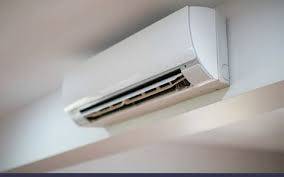
Fans and AC are notoriously pricey to use. Some bladed fans cost aprox 20p per day according to Energy Saving Trust. This is a cost we currently just don’t need. Therefore consumer expert Jasmine Birtles to the rescue. After many hours research and with help from her expat editor (Used to Madrid’s 42 degree heat). She has come up with the best, proven ways, to stay cool this summer. Some as litter as £10 for the whole summer.

Check your Fan Costings

Birtles says that to start you need to check what your fan is costing to run, because some are significantly cheaper than others. “ The ok part is that fans are surprisingly energy-efficient, especially when compared to an electric air-conditioning unit. That however, does not mean they are affordable to many.”

According to Appliance Analyst, to work out the cost of running your fan, you need to understand how much you pay per unit of energy (1kw). This should be listed on your energy bill. According to the Energy Saving Trust “the national average price (as of November 2021) per pence/kWh of electricity is 20.33p. We have rounded it to 20p for illustration purposes”.

“Multiply the cost of a unit of energy by the kW output of your fan and that will be how much it is costing to run your fan.

Also pick a fan with a DC motor. For example, the Bionaire ISF004 Desk Fan has “a DC motor that uses 63% less energy than a traditional fan. Copper motors can also help reduce energy loss by generating less heat”.

Also all bladeless fans consume far less energy than their bladed counterpart. This is because their motor doesn’t have to manage the movement of large blades.

Cooling Mats

If fans are still too much of an expense we suggest this cooling mat. It is only £6.79 at the moment and such a game changer. Seriously. Much like with our beloved four legged pals, cooling mats are an absolute saviour according to MoneyMagpie’s Vicky Parry “ My dog goes from panting to not panting within seconds of wearing one. Therefore, one awfully muggy night, when I felt like my feet were made of molten lava, I grabbed his mat and put my feet on it. I was asleep within ten minutes. Since then I swear by this method. Although it doesn’t create a breeze, it brings your temperature right down. I wear it round my neck, sit on it, or on my back and feel noticeably cooler”.

Handheld Fans

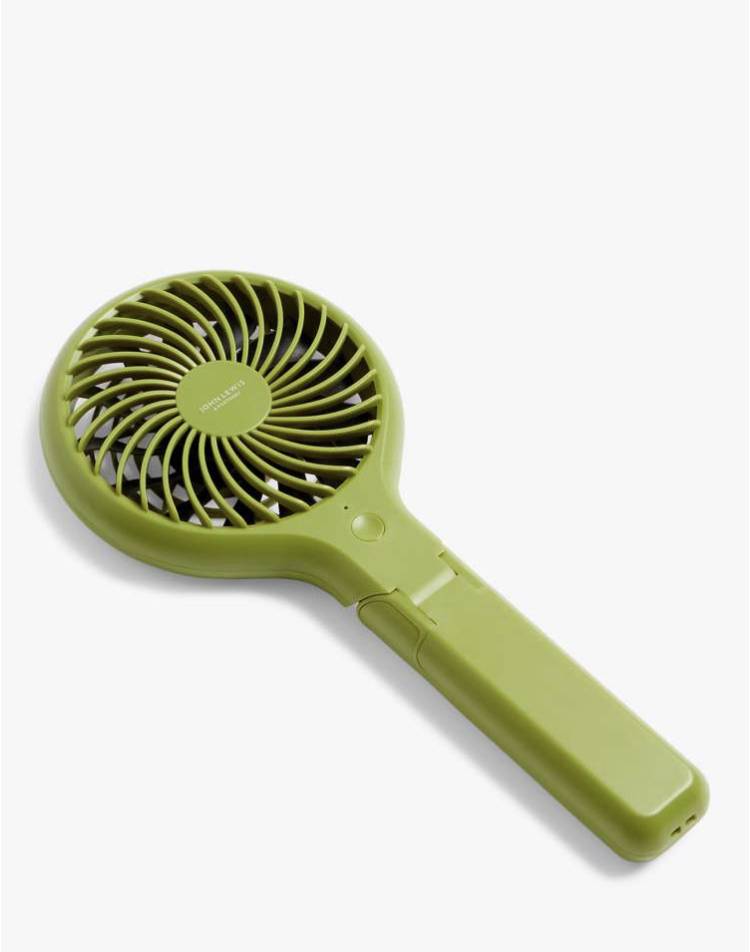
Again according to Parry “In my twenties I lived in Madrid. There was no AC in mine or my friend’s flats, so we were left getting quite creative in 40 degree, very dry heat. I then noticed that on the Metro, Spanish people genuinely do use those handheld fans seen in every picture of Spain since the seventies. As a kid, my mum had always told me that fanning myself actually increases heat as I am physically exerting.

So, why in this insane heat, were people, who were used to such things, fanning themselves?

Truth is, the method is all in the wrist, use very small flicks and don’t use your whole arm. Guess what: it works! Korean people also have a tradition of handheld fans. Both Spain and Korea live in extreme heat, so there is clearly something in this tradition for it to survive so long.”

Stay Cool Downstairs

Another trick I learned in my time in Madrid sounds daft, but it honestly got me through one of the most uncomfortable summers of my life: it was to keep your nether regions cool. I wondered why so many modern flats still had bidets and was told that we retain a huge amount of body heat in our downstairs region. Therefore if we keep it cool there, it makes us feel cooler all over.

With this in mind, I invested in a postpartum cooling pad. I am not postpartum or recovering from surgery. However, there is a gel pad that you keep in the fridge or freezer that you then put in your pants. It is an absolute game changer.

Link here.

Lean into the Heat

This sounds absolutely counter-intuitive, and possibly the last thing you fancy on a scorching day, but it honestly can be the difference between sleeping and not sleeping: have a warm bath before bed, As opposed to the cool showers and baths I see consistently recommended, run yourself a hotter bath. Make sure you have water as you don’t want to faint. But by immersing yourself in water that is hotter than out of the bath, when you get out you will feel cool. The effect won’t last for that long, so it is worth doing right before you try and sleep. The same can be said for hot tea and spicy food: both favoured in India, China and other hot countries, they suggest that heat actually cools you.


Let the Night Air in.

This is all well and good if you don’t have hayfever – and if you do I suggest you simply skip to the next stage – but leaving all your windows open at night and doors open to circulate allows the house’s core temperature to drop. Leaving your windows open at night is a great way to ensure fresh air, but also poses the biggest consideration, which is the safety and security of your home. If you leave your windows open, please be mindful of this.



Also if your lights are on and your curtains open, beware of moths and other beasties sneaking in.

Insulation

This is in no way cheap but there are special bursaries and ways of updating your insulation.  This applies in both the cold and hot weather, sadly. If your home has good insulation, the indoor temperature should be manageable, regardless of what is happening outside. MoneyMagpie have done a guide to cost effective insulation here.

The Great Outdoors with FERA

Created by best friends Declan and Sid, who decided to set up a clothing brand after travelling around the world together. Fera is a new and exciting outdoor British label that’s all about enjoying the often overlooked pleasures of the British countryside. With a tagline of ‘Seek Your Wild’ think of messing about in boats, dirt biking it to the beer garden and communing round campfires with your mates rather than attempting to scale K2.

Inspired by classic workwear and old school outdoor kit, Fera makes the type of timeless, rugged gear that’s built to last and designed to withstand some serious outdoor enjoyment. Clearly passionate about the great British outdoors,

Fera have also committed to giving 5% of their annual sales to a number of charitable projects and organisations dedicated to preserving British wildlife. Sign up to their newsletter for 15% off your first purchase on the Fera site here and have a look at their new video ‘The Detour’ here.

PLEASE FOLLOW US ON INSTAGRAM @CLOTHESMAKETHEMAN

https://feragb.com/

Sensible Suncare -Top tips with Dr Ifeoma Ejikeme

Melanoma, which is often caused by too much sun exposure, is on the rise in the UK according to brand new research. Over 2,300 melanoma skin cancer deaths are caused in the UK every year – that’s more than 6 every day.

As we approach the summer, more and more people are looking for a healthy glow.

The incredible skincare expert, advanced Cosmetic Doctor and Founder of the award-winning clinic, Adonia Medical Dr Ifeoma Ejikeme, gives us she expert tips on Suncare and what products to use.
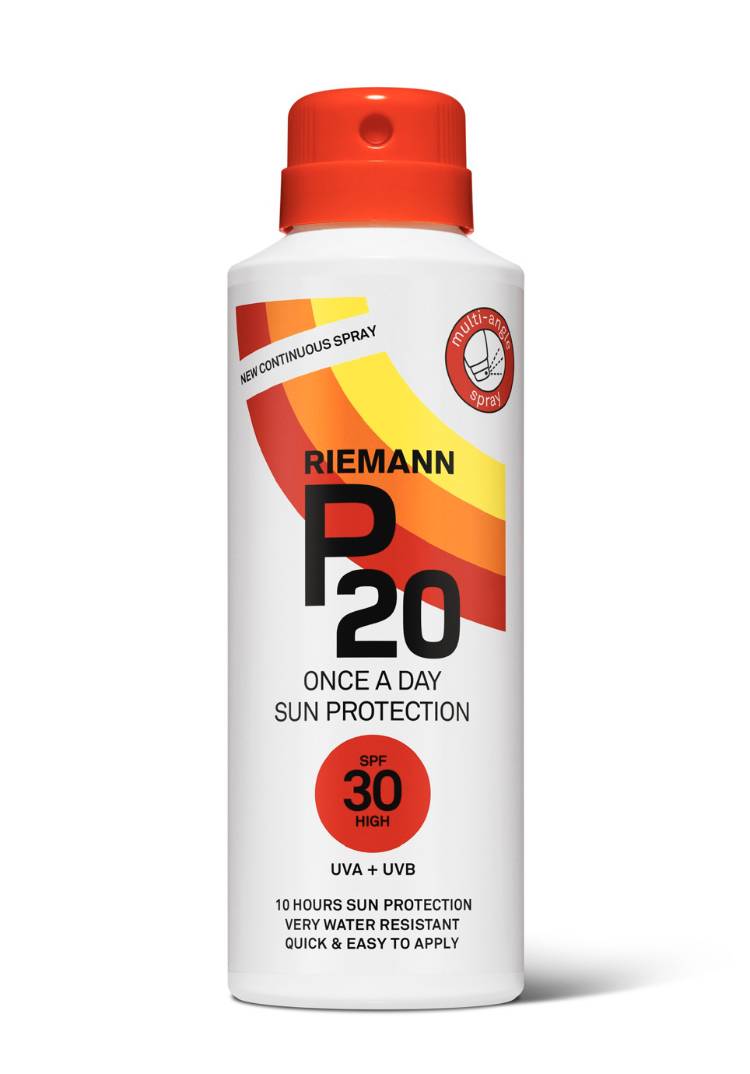
When it comes to wondering about which sun cream to use, which product will give you the most protection and how often we should wear it, Dr Ifeoma Ejikeme is the person to ask.

What to look for in a sun cream?

Although any sun cream is undoubtedly better than none, some are better than others. The most important thing to keep an eye out for when shopping for sun protection is for physical and mineral-based chemical sun creams. A physical sun cream will contain zinc and titanium, so be sure to keep an eye out for these ingredients on the back of the bottle.

What level of protection should I be using?

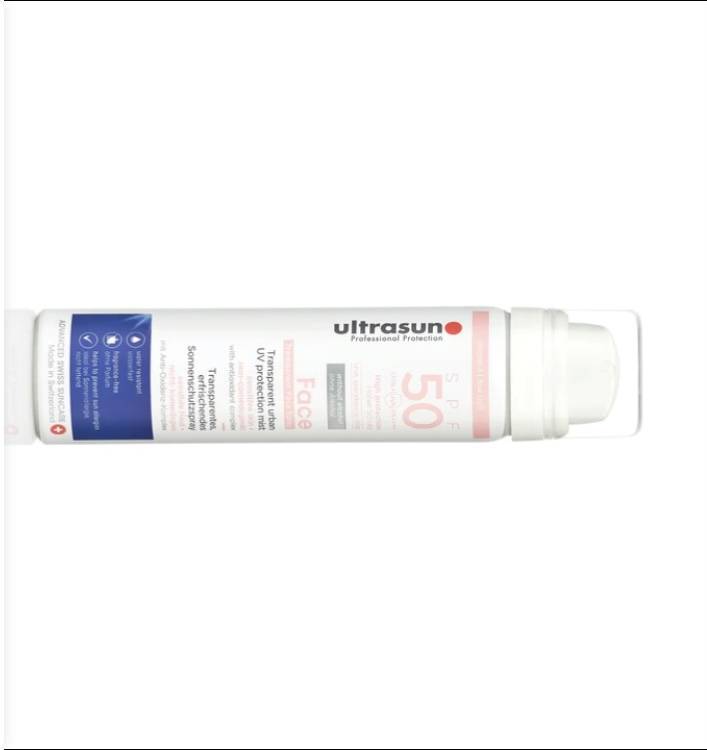
Everyday sun cream for your face should be at least factor 50.

When should I be wearing sun cream?

No matter what day of the year, you should be wearing sun cream on areas of the skin which are exposed – so your face, neck and hands for most people. UVA rays penetrate clouds, mist, fog, rain – you name it – so 365 days of the year sun cream should be in your routine. When it comes to the sunnier months, it’s important to wear sun cream on all areas which aren’t covered by clothes. So when you’re on the beach [finally!] be sure to apply all over.

Dr Ifeoma Ejikeme, Skin Expert and Medical Director/Founder of Adonia Medical Clinic. Follow on Instagram @dr_ifeoma_ejikeme

PLEASE FOLLOW US ON INSTAGRAM @CLOTHESMAKETHEMAN

If there ever was a time we needed an Early Majority, it’s now

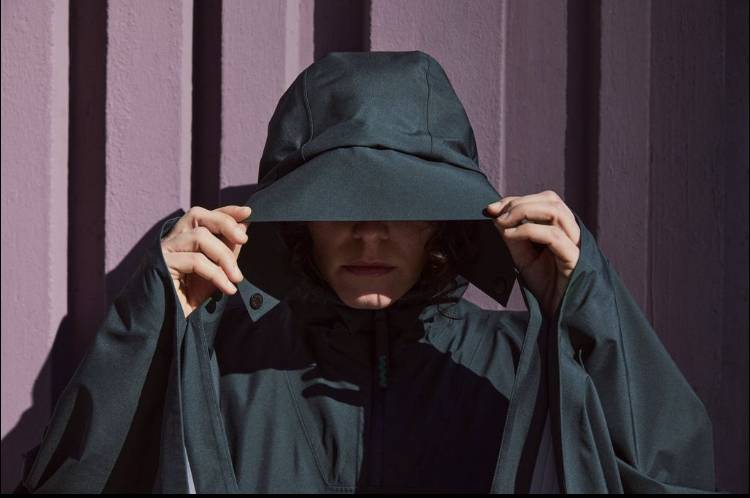
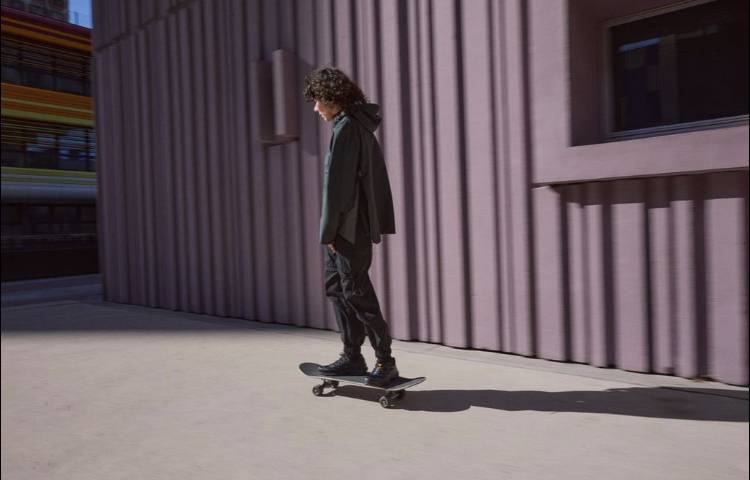
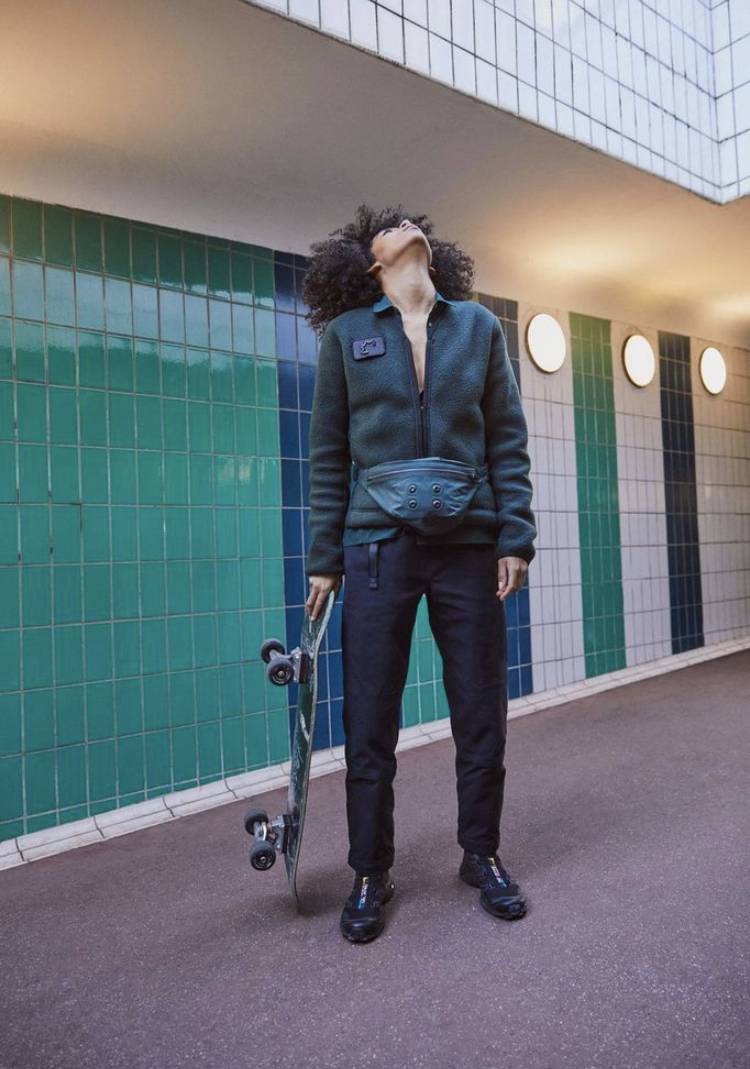
Early Majority makes technical outerwear for all eventualities and all genders. Designed as a versatile, modular system to reduce waste and foster circularity. They’re leaning away from the Boy’s Club to deliver exceptional product via a disruptive membership model.

They discovered the lie of “leaning in,” which had come at the expense of their well-being and purpose. They had forfeited control over their own time and lost touch with each other and nature.

But not anymore. Early Majority gathers people who want to lean out— and make time in their lives for adventure, art, and activism. Departing from the dominant industry model, they are building a business based on growing supportive community over producing unnecessary product.

The brains behind the brand is Joy Howard has been recognized by Forbes and Fast Company as one of the most influential and creative global business leaders and was profiled by Bloomberg for her unconventional journey to the C-suite. She reignited Patagonia after decades of dormancy, sparking a media frenzy around the brand by launching Worn Wear and the New Localism (their campaign to defend public lands).

Before Patagonia, Joy led marketing for Converse All-Star, the world’s largest and most iconic footwear franchise. She launched the Chuck ‘70 and iconic collaborations with Andy Warhol Foundation and Maison Margiela, which she ensured were made in small sizes for women. Since leaving Patagonia, she has worked in the venture-backed world of technology, preparing Sonos for IPO and taking Lyft public. At Sonos, she launched their partnerships with IKEA and Hay. In 2020, she was named one of the world’s most influential CMOs by Forbes for work as a digital rights activist.

In January of 2021, Joy founded Early Majority with her long-time partner from Patagonia and Sonos, Dmitri Siegel. They’re backed by investors such as legendary Sequoia boss Jim Goetz and London-based Mosaic Ventures, early investors in blockchain applications and the enabling infrastructure for European SMEs.

Their members club model means the members are granted exclusive access and pricing, as well as practical tools for leaning out. They hold an active role in shaping future product development, ensuring we take care of the planet and make what our community wants and nothing more.

They’ve created a 9-piece technical system that can be layered, allowing for fluid movement between active, professional, and social pursuits.

Their collection is modular to reduce waste and foster circularity. Each piece is perfected with a relentless focus on multifunctionality and impeccable design

Their merchmap is the anti-merchmap. It shows their community how to construct their own modular kits—from bike to boardroom, backcountry to bar.

Their design philosophy seeks to transcend gender, letting you tailor the fit and tweak your silhouette. The degendered double zips found in our hero shell jacket can be pulled to remove the central panel and re-zipped to make a tighter waist. Side zippers can open to create a looser fit on the hips and detachable hoods come in multiple sizes to accommodate different head sizes.

Sometimes you want to be easy to spot, other times more elusive. Designing for this reality is another part of the brand’s all eventualities ethos.

Their brand badges snap on to all of our garments and come with custom-made magnets. They can easily be removed or replaced with a badge of your choosing.

This platform for self-expression and allyship gives their partners a blank canvas to hack our gear, creating visibility and becoming part of the community.

Artists with whom the brand collaborate choose a mutual aid organisation to benefit from the sale of their badge. Some badges directly represent and benefit the organisations themselves, others will support movements and commemorate moments.


PLEASE FOLLOW US ON INSTAGRAM @CLOTHESMAKETHEMAN