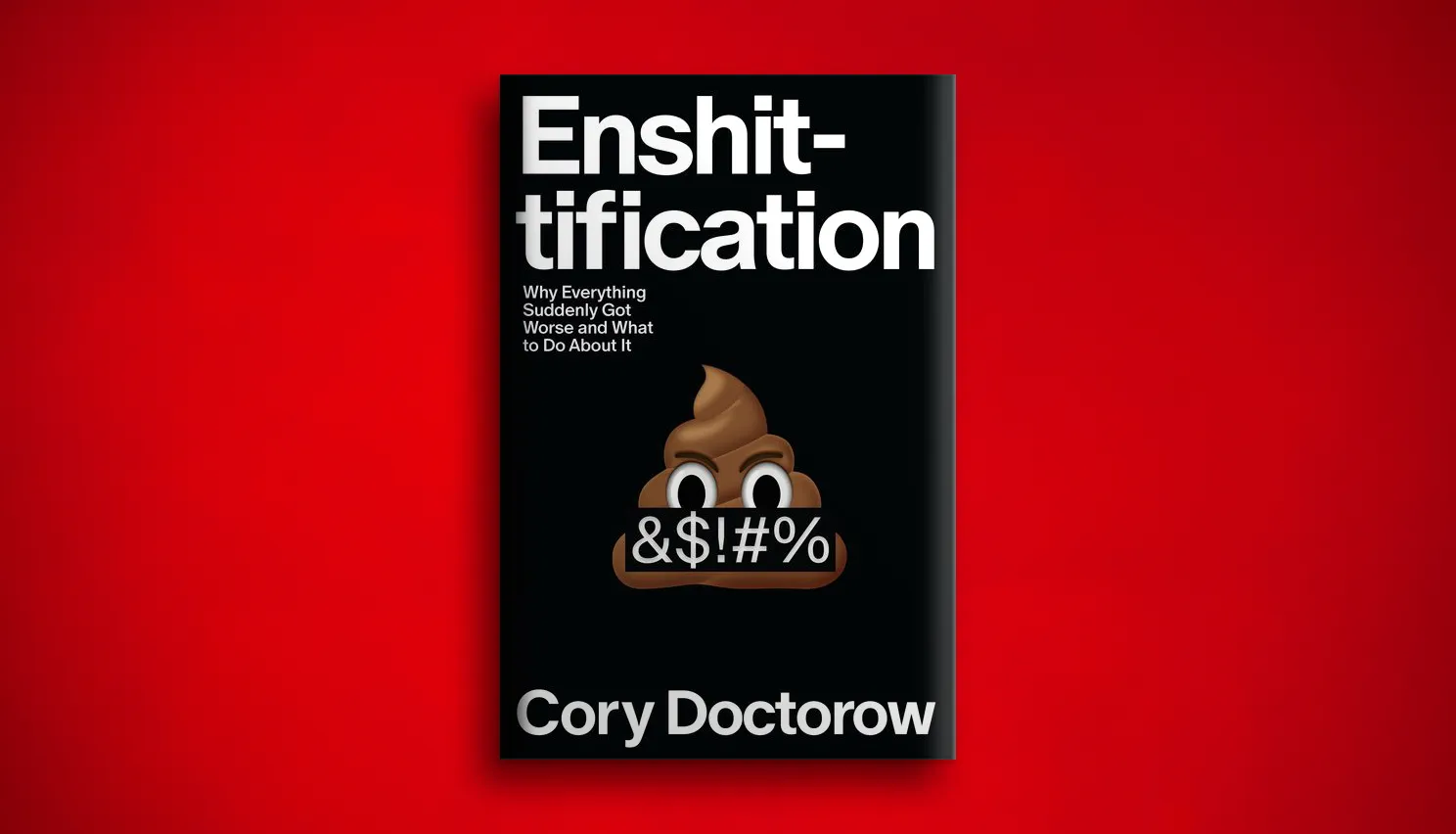
 There’s a new word doing the rounds, and it lands with the kind of blunt force that only the internet could produce: enshittification. Coined by technology writer Cory Doctorow(below) in his book of the same name, it describes the depressingly predictable lifecycle that transforms beloved digital platforms into hollowed-out, ad-choked, algorithm-obsessed shells of their former selves. It’s crude, yes. But it’s also clinically accurate.
 You’ve felt it. The social platform that once connected you now buries your friends beneath sponsored content. The streaming service that promised everything now fragments its catalogue across paywalls. The dating app that once felt human now feels gamified to exhaustion. The e-commerce site that made discovery joyful now nudges you relentlessly towards promoted listings. This isn’t nostalgia talking. The services really are getting worse — by design.
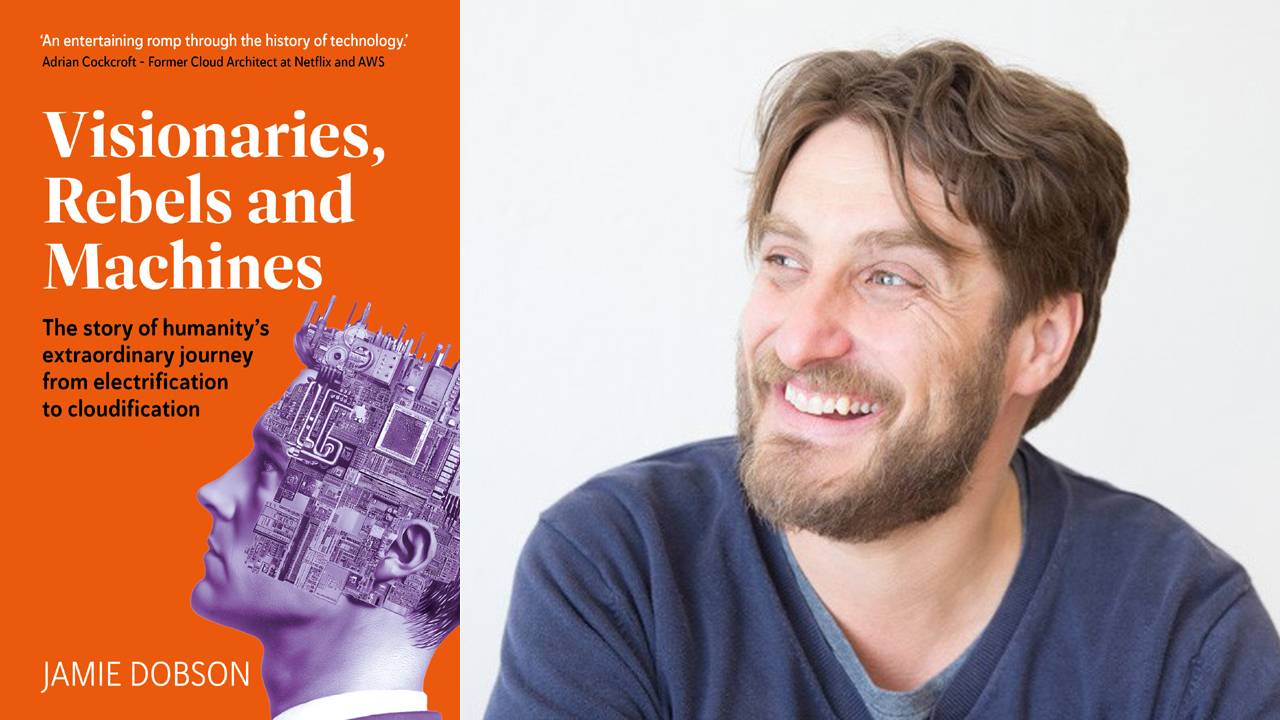 According to Jamie Dobson, author of Visionaries, Rebels and Machines: The Story of Humanity’s Extraordinary Journey from Electrification to Cloudification, this decay follows a pattern. Platforms begin by serving users brilliantly to gain scale. Then they pivot to serve business customers and advertisers. Finally, they extract maximum value for shareholders — even if it degrades the experience for everyone else. It’s a four-stage descent, and once you see it, you can’t unsee it.
Social media is the cleanest case study. What started as frictionless connection became algorithmic manipulation optimised for engagement metrics. Streaming services followed suit, splintering content ecosystems in pursuit of subscriber growth at any cost. Dating apps turned intimacy into infinite scroll. Even e-commerce platforms — once engines of entrepreneurial opportunity — now prioritise those who pay to play.
 The underlying driver is economic gravity. Venture capital demands growth; public markets demand returns. In highly concentrated markets with limited competition, platforms can afford to squeeze. Interoperability is blocked. Labour power is weakened. Users are locked in. And so the extraction begins.
But here’s the twist: enshittification isn’t inevitable. It’s a choice.
There are counterexamples — companies that have resisted the decay cycle by aligning long-term value with user trust. There are regulatory interventions that have worked, particularly where competition has been enforced or interoperability mandated. There are moments when even capitalism blinks and says, “This is too much,” usually when public backlash begins to threaten the bottom line.
 Dobson argues that the next phase may be defined by user rebellion. When switching costs fall, when regulators intervene meaningfully, when workers regain leverage, and when alternative models prove viable, the cycle can be disrupted. The real power, as ever, sits at the intersection of incentives. Change the incentives and you change the outcome.
For over a decade, Dobson — founder of Container Solutions and author of The Cloud Native Attitude— has helped organisations move towards cloud-native ways of working. His latest book places today’s digital turbulence in a much longer arc, tracing the journey from electrification to cloudification and asking a harder question: what kind of technological future are we actually building?
Enshittification may be the word of the moment, but it’s also a warning. Platforms decay when extraction outweighs value. They degrade when growth becomes the only metric that matters. And they can improve again — but only if users, regulators, technologists and businesses decide that better is worth fighting for.