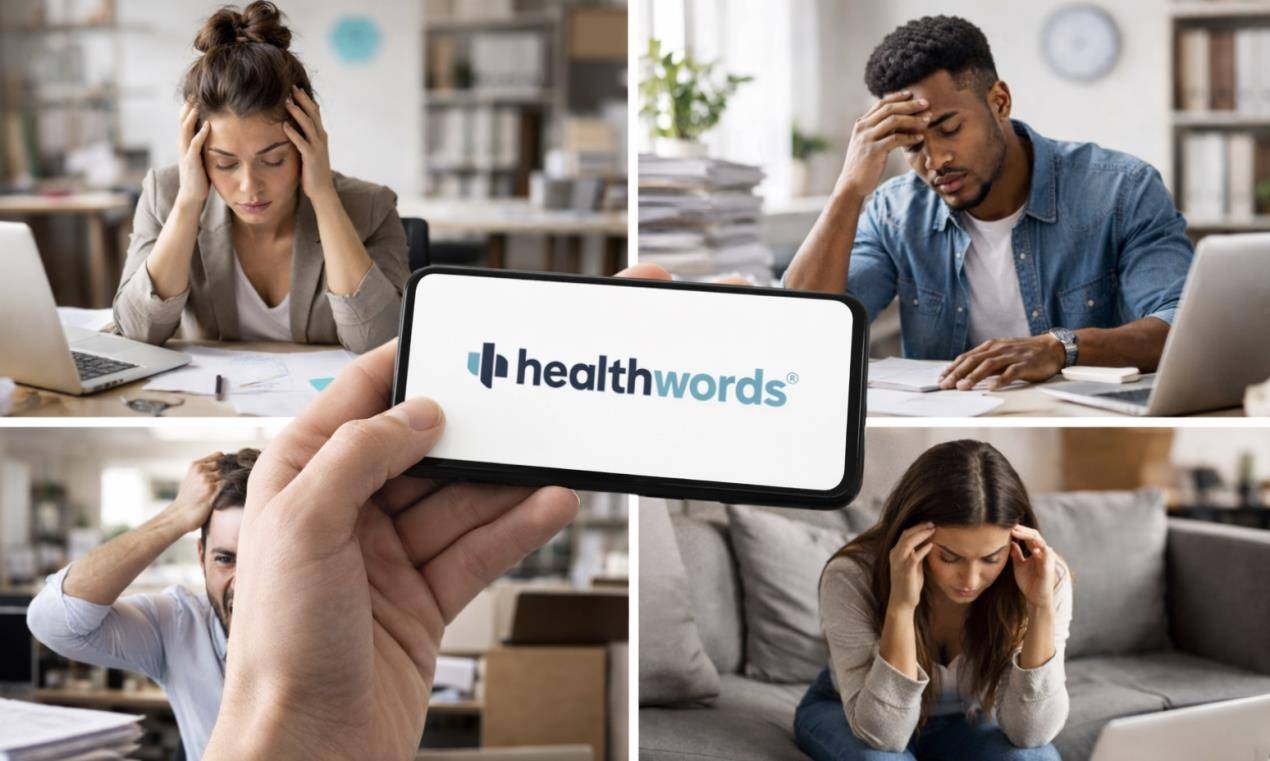
 As we hit the mid point of Stress Awareness Month, new data from Healthwords.ai highlights a growing trend: stress is increasingly showing up through physical symptoms such as exhaustion, brain fog, and even fears of serious conditions like heart attacks.
Based on thousands of anonymous UK searches, people are not simply saying “I’m stressed” — they are questioning worrying symptoms and struggling to manage day-to-day life. In response, Healthwords.ai has paired these insights with expert advice on how to recognise and manage stress early.
This year’s Stress Awareness Month, experts are urging people to recognise the early signs of stress — not just mentally, but physically — as new data reveals how anxiety is affecting everyday life across the UK.
Insights from Healthwords.ai show that stress is increasingly presenting through symptoms such as fatigue, physical pain, and health anxiety, often leaving people unsure whether they are experiencing stress or something more serious.
Analysis of anonymous search data reveals that when people feel overwhelmed, they are not just describing stress — they are questioning their health, fearing serious conditions, and seeking reassurance about symptoms disrupting their daily lives.

The most common concerns include:
• “I am stressed”
• “I’m scared of having a heart attack or stroke”
• “Should I be worried about my symptoms?”
• “Feeling anxious constantly”
• “I’m scared of dying”
• “I feel exhausted all the time”
Beyond these concerns, a broader pattern emerges: stress is frequently expressed through physical and often confusing symptoms. Over a third of searches referenced issues such as fatigue and brain fog, stress-related pain, gastrointestinal problems like IBS, sleep disruption, mood swings, and anxiety linked to conditions including pregnancy, heart disease, and cancer.
Experts say this highlights how everyday stress can affect both mental and physical health in complex and unexpected ways — making early recognition more important than ever.
Dr Tom Maggs, Chief Medical Officer at Healthwords.ai, recommends:

• Recognise early signs such as persistent fatigue, mood changes, sleep issues, headaches, or digestive problems.
• Practice mindful breathing or meditation, even for 5–10 minutes a day, to help calm the nervous system.
• Stay active with regular movement like walking, yoga, or light exercise to reduce stress hormones and improve mood.
• Maintain a balanced diet and limit caffeine and sugar, which can heighten anxiety.
• Set boundaries and plan downtime to avoid burnout and support recovery.
• Reach out for support from friends, family, or trusted health platforms.
• Prioritise sleep by keeping a consistent routine and reducing screen time before bed.

Arsalan Karim, Co-founder of Healthwords.ai, said:
“Stress affects both the mind and body, and it can be difficult to know when to seek help. Healthwords.ai provides trusted information and guidance on stress, anxiety, and related health concerns, helping people understand their symptoms and access the right support early.”
As Stress Awareness Month shines a spotlight on wellbeing, experts are encouraging people to pay closer attention to both mental and physical symptoms, seek professional advice where needed, and adopt simple daily habits to protect their overall health.
Healthwords.ai is a UK-based digital health platform designed to make healthcare information simple, trustworthy, and practical. By combining medically validated AI with an intuitive interface, it helps users understand everyday health concerns and take informed action. Plus the best part is The app is free to download.