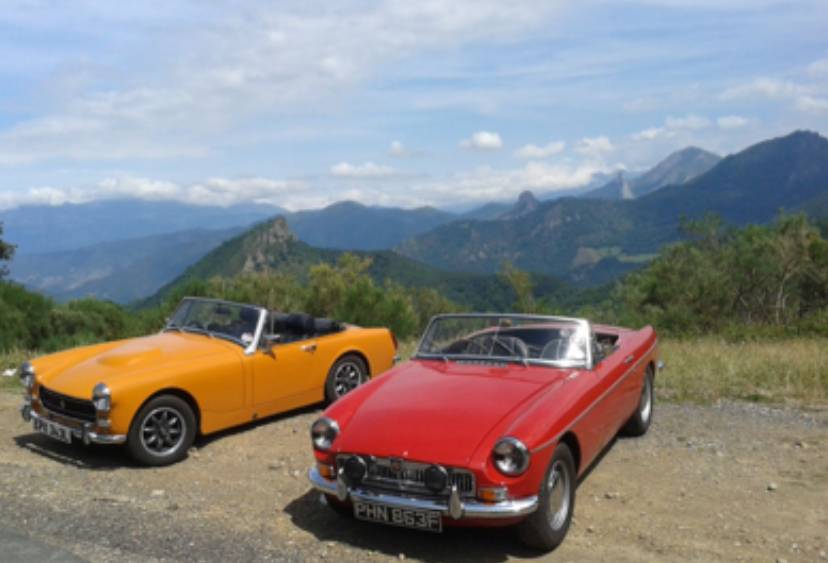
Words By Tim Winton, Cambrian Classics
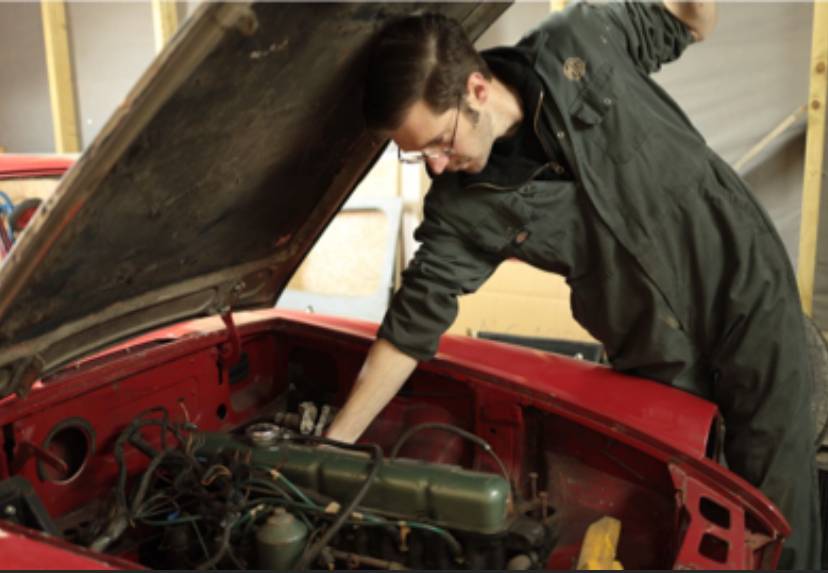 If a classic car is on your wish list but you’re nervous about choosing the right one — or worse, ending up with a money pit — a bit of preparation goes a long way. These eight tips will help you find a car that brings years of enjoyment rather than unexpected bills.
Buy the Best You Can Afford
This is the golden rule of classic car buying. A sound, well-maintained car is almost always cheaper and far less stressful than rescuing a “bargain” project. Once you factor in welding, paint, mechanical work, electrics and interior trim, a tired example almost always ends up costing more than a better one would have in the first place.
If possible, look for a car that’s already on the road and being used regularly. A running, MOT’d car that’s been regularly driven and maintained will almost always be a better bet than one that’s been off the road for years.
Bring an Expert With You
It’s easy to fall in love at first sight, but a second pair of knowledgeable eyes can save you from an expensive mistake. Take someone who really understands the model you’re buying — ideally a specialist who works on them.
They’ll know what correct panel gaps look like, where rust typically forms and how to recognise poor repairs. They’ll also pick up mechanical issues on a test drive: weak braking, odd noises, steering feel, or a misbehaving engine. Even when buying from a dealer, an independent inspection is worthwhile; no dealer can know every model inside-out, and a marque specialist may spot things they’ve missed.
Bodywork Matters Most
Rust, welding and paintwork are by far the costliest parts of classic car ownership. Even on small cars, proper restoration involving stripping, repairing and repainting can easily run into five figures, and complex or fibreglass-bodied cars can cost even more.
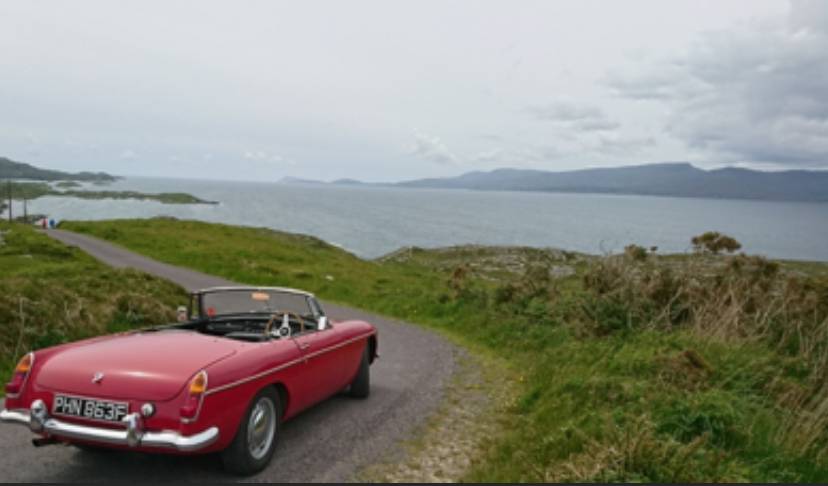 Inspecting bodywork thoroughly is therefore essential. Look for ripples, bubbling paint and mismatched panels, and don’t be afraid to get on your knees with a torch to check underneath. Avoid viewing a car in the rain or in poor light — both hide a multitude of sins.
For most buyers, avoiding project cars is the safest route. If you do want a restoration project, try to buy the soundest shell you can. Even enthusiasts who enjoy the process often underestimate the time and money involved.
Budget for Maintenance, Not Just the Purchase
Running costs vary hugely between makes. Many new owners end up struggling with the upkeep of their dream car.
More modest classics — MGs, Minis, Triumphs and similar — tend to be mechanically simple, inexpensive to repair and well served by parts suppliers. It’s wise to check parts catalogues before committing to a model so you know what routine replacements will cost.
Set aside a yearly maintenance fund. Even the best-cared-for cars need regular attention: servicing, adjustments, occasional repairs and fresh tyres. Tyres in particular deserve scrutiny — always check date codes; anything over ten years old should be replaced.
Who Will Fix It
It’s important to find a mechanic familiar with older technology. Many modern workshops are geared towards computer diagnostics and modular repairs, not carburettors, contact breakers and ageing wiring. Classics often suffer from multiple small issues rather than a single obvious fault, so finding someone who understands how the whole system works is invaluable.
Cars with carburettors are usually straightforward; fuel-injected classics can be much more complex. Don’t buy one with running issues unless you’re prepared for a potentially expensive recommissioning.
Be Honest About What You Want From a Classic
Emotion plays a big role in classic car buying, but make sure the car fits your lifestyle. Think about how and where you’ll use it. Are you happy pottering along country lanes, or do you want something capable of keeping up with modern traffic? Are you planning local shows, weekend drives or long-distance touring?
Comfort, practicality and storage also matter. A small roadster might be perfect for solo use and easy to garage; a large saloon, vintage tourer or camper may require more space and be less convenient.
Above all, choose something you’ll actually drive. Classics deteriorate when left unused, which reduces reliability and enjoyment. A car that suits your habits will stay healthier and give you far more pleasure.
 Don’t Buy for Investment
Classic cars are rarely good financial investments. Values fluctuate, and most cars simply hold steady rather than increase. Some markets have even seen declines — pre-war cars, for instance, have softened considerably, while certain 1980s and ’90s models have risen.
Tools such as Hagerty’s valuation guide can help you understand current market conditions, but remember that maintenance, storage and insurance usually outweigh any profit.
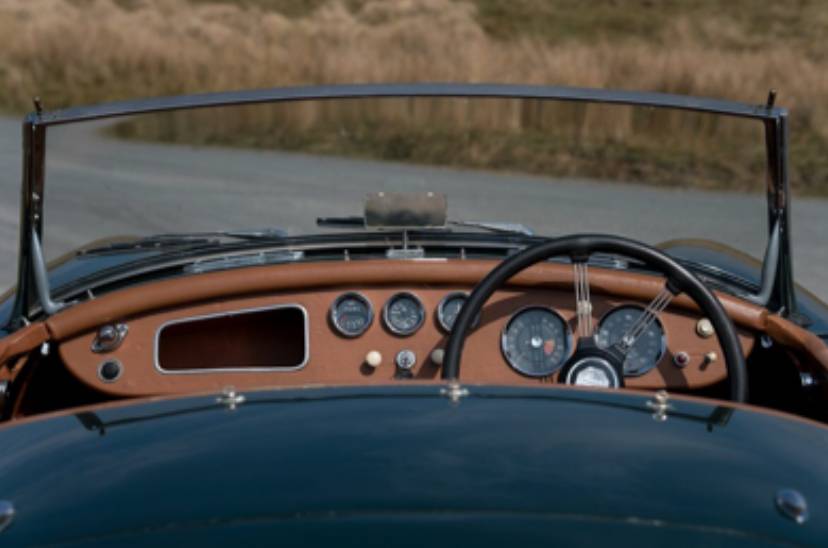
The real return on a classic comes from enjoyment. If it appreciates, great — but buy the car that makes you smile when you open the garage door.
Think Twice About Cars Without an MOT
Even though cars over 40 years old are exempt from MOT testing, a valid certificate remains highly reassuring. It shows a qualified tester has recently inspected brakes, suspension, steering and lights.
A car with no recent MOT may be hiding rust, seized brakes, perished tyres or electrical faults. Some owners avoid testing altogether, but this has led to many unsafe cars returning to the road. An MOT is not a guarantee of perfection, but it’s an excellent snapshot of condition and a sign of responsible ownership.
If a seller hasn’t put the car through an MOT, ask them to do so. Any issues revealed can be addressed before purchase or considered in your decision.
Classic car ownership is deeply rewarding, offering a connection to engineering, history and the pure joy of driving. With research, realistic budgeting, and advice from experts and fellow enthusiasts, you can find a car that brings years of pleasure. Buy with both heart and head and choose a classic you’ll love to drive.