As hybrid working continues to reshape the way we live, the home office has evolved from a temporary necessity into a permanent fixture of modern interiors. Yet for many households, creating a productive workspace remains a challenge. Few homes were originally designed with dedicated offices in mind, meaning spare corners, bedroom alcoves and living room walls are increasingly being asked to work harder than ever before.
Fortunately, effective home working no longer requires sacrificing style for practicality. SCHMIDT’s latest collection of made-to-measure office solutions demonstrates how thoughtful design can transform even the most challenging spaces into productive, elegant environments tailored to modern life.
Whether you’re looking to carve out a quiet corner for focused work, create a shared workspace for two, or simply bring greater organisation to your daily routine, these are the home office trends defining 2026.
The Bedroom Desk Nook
 Not everyone has the luxury of a dedicated study, making the bedroom one of the most popular locations for a home workspace. The challenge, however, lies in creating an area that feels purposeful during working hours while maintaining the sense of calm and relaxation essential to a bedroom.
SCHMIDT’s bespoke bedroom desk solutions achieve precisely that balance. Designed to fit seamlessly against walls and within alcoves, these made-to-measure desks maximise every available centimetre while incorporating practical storage that keeps clutter hidden from view.
Available in an extensive range of finishes, from warm timber tones to contemporary matt neutrals, the result is a workspace that feels integrated rather than improvised, complementing the room’s overall design while providing everything needed for a productive working day.
The Living Room Study
 As home working becomes increasingly integrated into daily life, the office has moved beyond the spare room and into the social heart of the home.
SCHMIDT’s striking Botanic Black living room concept embraces this shift, seamlessly combining workspace and living space through fitted furniture that serves multiple purposes. A bespoke desk is integrated into a wider storage and display system, creating a sophisticated focal point that functions equally well for work and leisure.
Thoughtfully designed shelving, concealed storage and a built-in reading bench contribute to an environment that feels curated rather than corporate. The result is a workspace that disappears into the wider interior when the laptop closes, allowing the room to retain its character while supporting modern working habits.
The Corner Office
 Some of the most effective workspaces emerge from the most overlooked areas of the home.
SCHMIDT’s Box Office concept transforms unused corners into highly functional workstations through intelligent, made-to-measure design. By wrapping bespoke cabinetry around the workspace, the solution creates a dedicated working environment without demanding significant floor space.
Open shelving, integrated storage compartments and overhead units ensure everything has its place, while maintaining a compact footprint ideal for apartments, smaller homes and multi-functional rooms.
For homeowners seeking to maximise every square metre, it offers a compelling example of how clever design can unlock hidden potential within existing spaces.
Dual Desks for Shared Households
 With more couples and families embracing flexible working patterns, demand for shared home office environments continues to grow.
SCHMIDT’s dual-desk concept responds with a workspace designed specifically for two. Symmetrical layouts create visual harmony, while dedicated storage zones ensure each user has their own organised area for documents, technology and everyday essentials.
Integrated shelving and concealed storage maintain a clean, uncluttered aesthetic, while a wide selection of finishes allows the workspace to blend naturally into the surrounding interior.
The result is a practical solution that supports productivity without compromising on design, making it ideal for households where multiple people regularly work from home.
Smart Storage: The Secret to Every Great Workspace
 While desk design often takes centre stage, it is intelligent storage that ultimately determines how well a home office functions.
Across every SCHMIDT design, thoughtful storage solutions form the foundation of a productive environment. Bespoke wall units conceal paperwork, integrated cable management eliminates visual clutter, and carefully planned drawer systems keep everyday essentials organised and accessible.
Open niches provide space for books, decorative objects and personal touches, ensuring workspaces feel welcoming and individual rather than purely functional.
Perhaps most importantly, every solution is made to measure, allowing SCHMIDT to accommodate the realities of British homes, including sloping ceilings, awkward alcoves, narrow rooms and unconventional layouts that standard furniture often struggles to address.
The Final Word
The future of home working is no longer about finding space for a desk. It is about designing environments that support productivity while enhancing the way we live.
SCHMIDT’s latest home office concepts demonstrate how bespoke furniture can transform bedrooms, living rooms, unused corners and shared spaces into beautifully considered work environments tailored to individual lifestyles. By combining intelligent storage, thoughtful design and made-to-measure craftsmanship, these solutions prove that working from home can be every bit as stylish as it is practical.
For those preparing to settle back into post-summer routines, it may be time to rethink what a home office can be.
 “The big shift this season is away from anything that looks too finished. Soft, natural movement is what’s coming up again and again, and it’s exactly what I’m seeing requested in the barbershop too. Men don’t want a cut that only works for the first hour after they leave the chair. They want something with texture built in, so it still looks good on day three.”
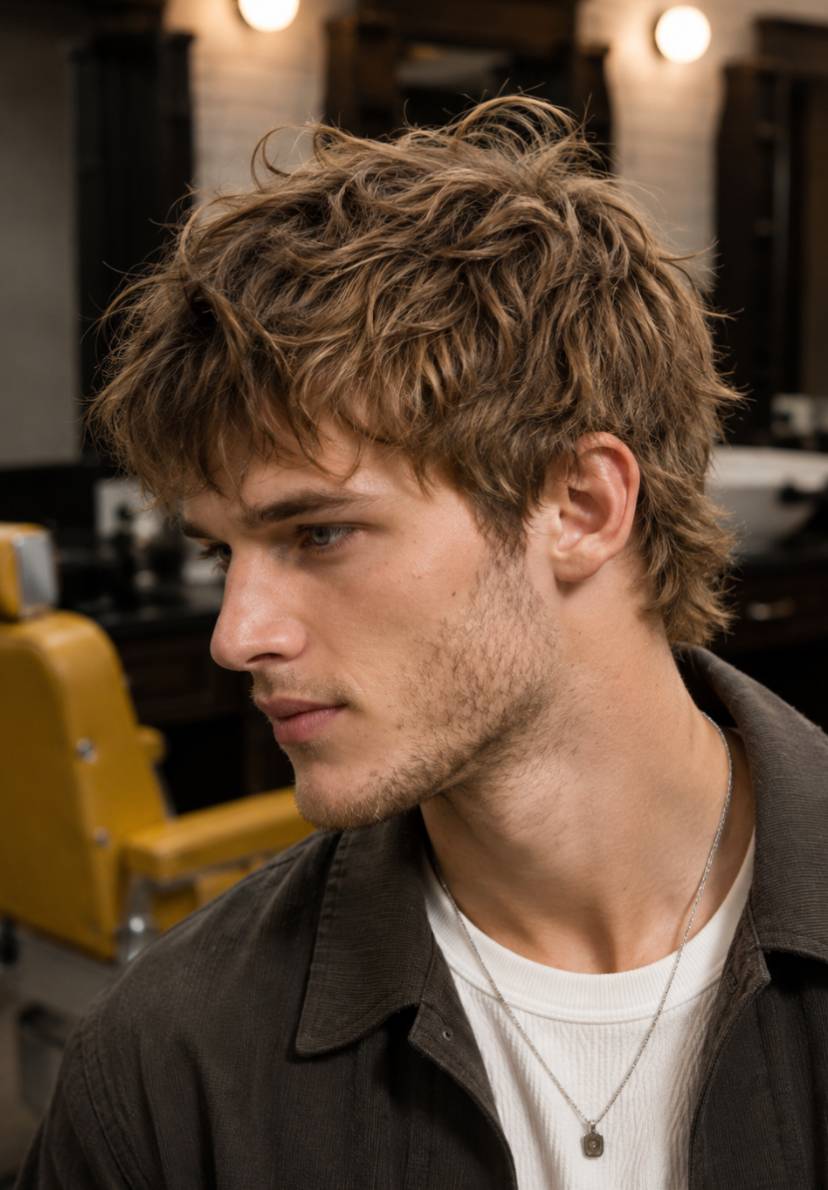 “There’s a real ‘bed-head’ energy about this season, hair that looks like you’ve barely touched it, even though it’s taken real skill to get there. Clients are asking for that same effortless look. It’s a harder cut to execute than it looks. Getting hair to fall naturally, rather than sit stiffly, takes a proper technique.”
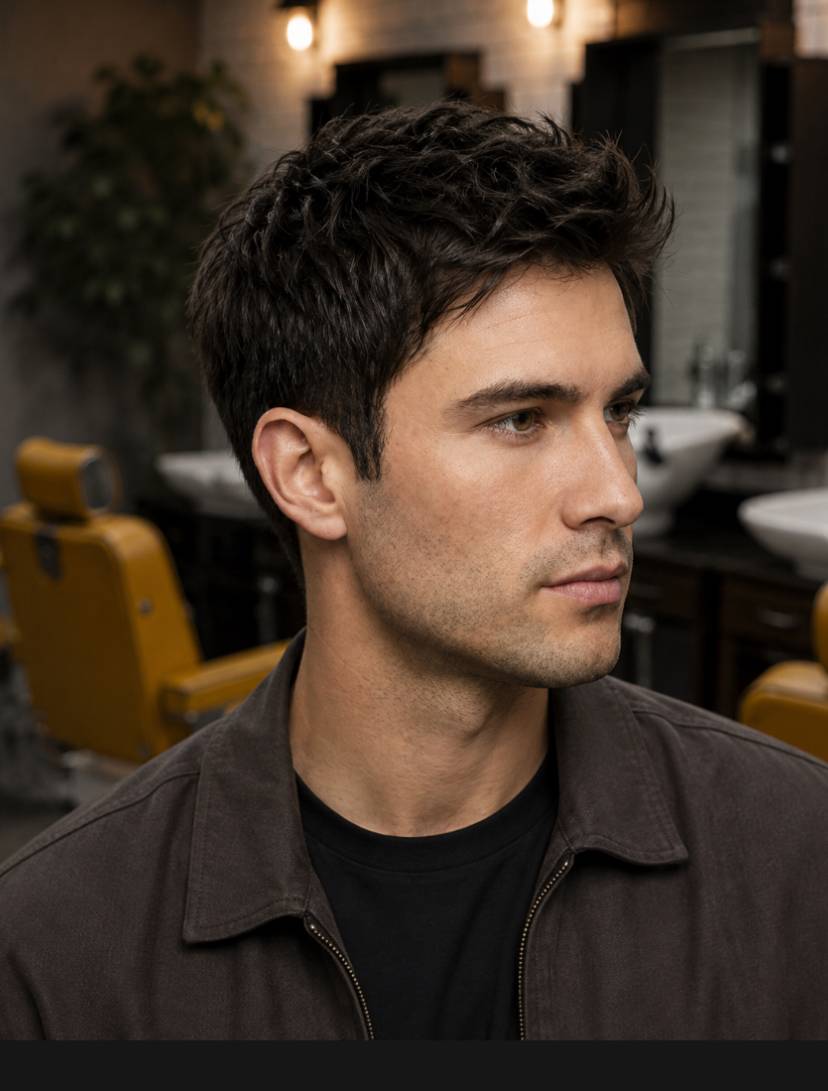 “Shine had a moment for years, but matte is what men are asking for now. It reads as more grown-up and less try-hard. I’ve changed what I reach for on the finishing side because of it.”
 “There’s a real confidence coming through around colour this season, nothing subtle about it. I’m not seeing men asking for anything too extreme just yet, but there’s definitely more openness to it generally, whether that’s a client wanting to cover grey with more warmth, or someone genuinely wanting to experiment for the first time.”
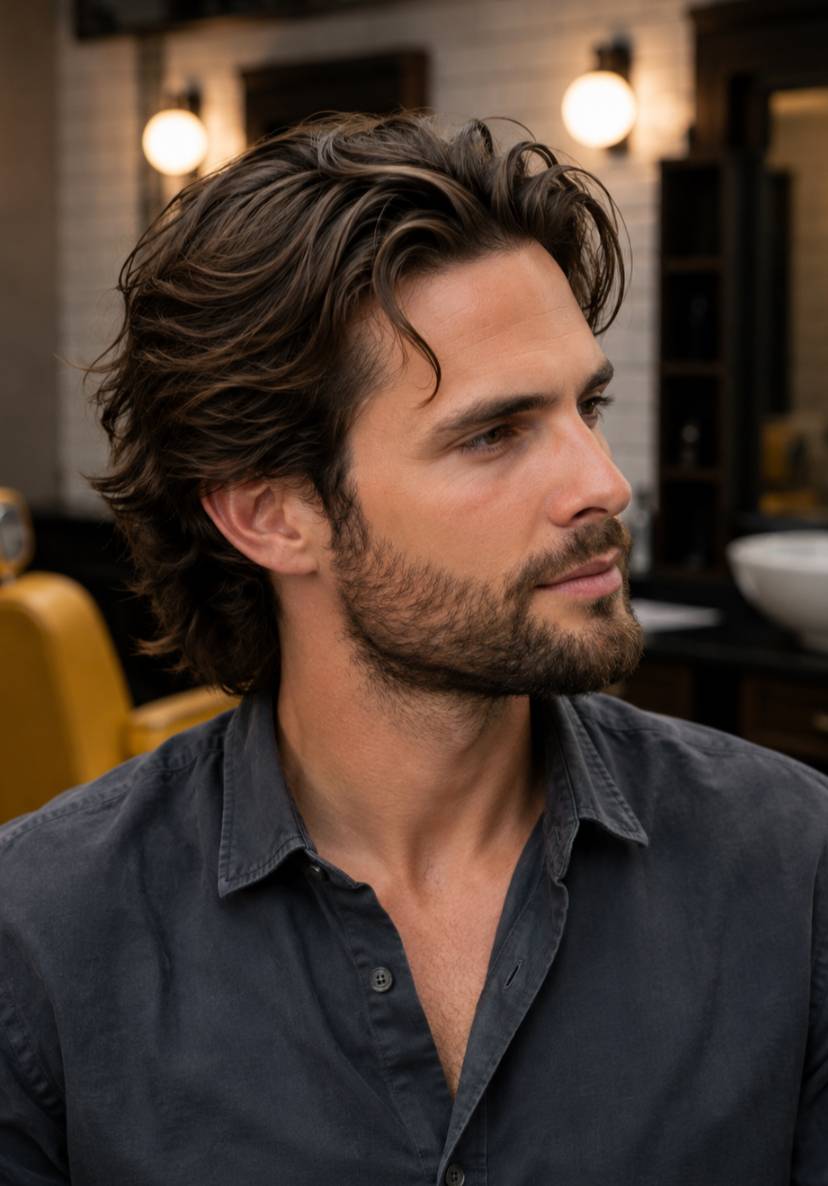 “This continues to be one of the biggest men’s hairstyle trends this season, thanks to its effortless movement, natural texture, and versatility. With soft layers and a relaxed finish, it suits a wide range of hair types and can be styled casually for everyday wear or refined for a more polished look. It’s the perfect choice for anyone wanting a modern hairstyle that looks stylish without trying too hard.”
 “Braiding has become a real point of interest this season, and it’s a good reminder to clients that texture and detail aren’t off limits for men. It’s not something everyone will take to the barbershop, but it’s opened up more conversations about texture work generally.”
 “There’s been a shift away from razor-sharp, high-contrast fades towards something softer and more blended. It’s a small technical change, but it changes the whole feel of a cut. Combined with more length on top, it’s giving men a much softer, more natural overall shape than we were seeing a couple of years ago.”
 “Whatever’s driving the trends this season, the real priority for most men walking into a barbershop is still ease. And this season is actually good news on that front. Natural texture and softer fades genuinely need less daily effort than the sharp, sculpted looks that were popular before. It’s a season where looking current and looking after yourself line up.”